Neighbor News
$5 to $6 Gas Is No Accident: California Drivers Are Paying for Political Decisions
Years of refinery shutdowns, import dependence, and political decisions left California exposed to global energy shocks.

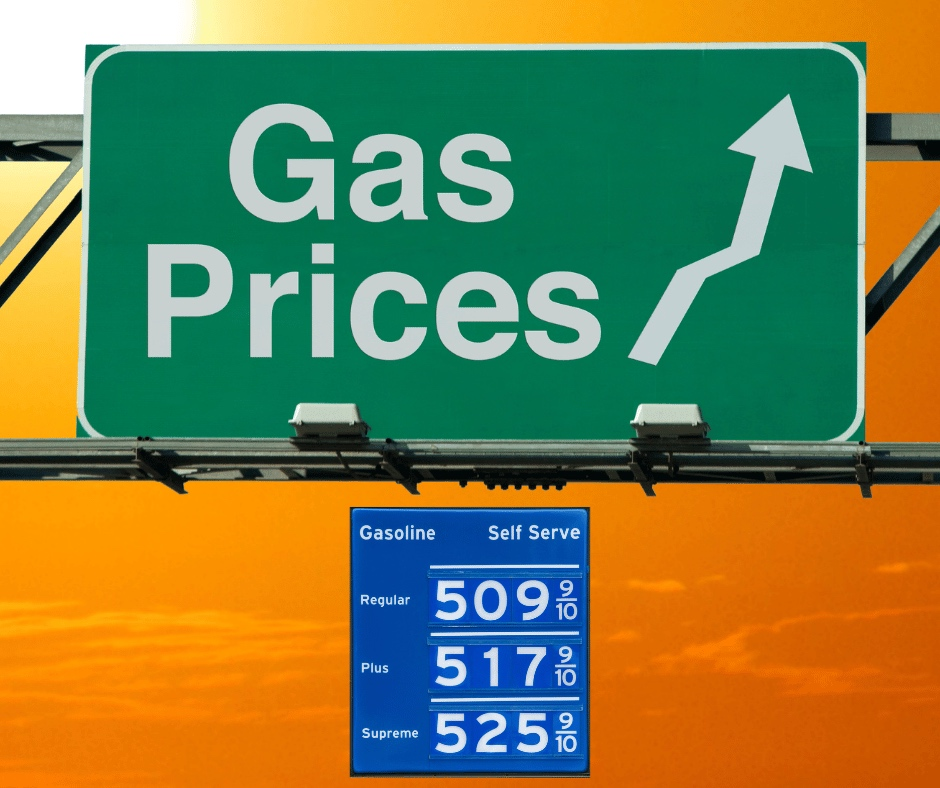
California drivers are getting hammered again, and it is not an accident.
Across the state, families are staring at gas prices above $5 a gallon, while the national average sits near $3.32. In parts of Los Angeles and the Bay Area, prices are already pushing past $6. For working people who have to commute, pick up their kids, or simply keep a job, this is not a political talking point. It is the difference between staying afloat and falling behind.
Global tensions are part of the story. Conflict involving Iran has pushed crude oil prices higher and threatened shipping through the Persian Gulf. When oil markets tighten, prices rise everywhere.
Find out what's happening in Sacramentofor free with the latest updates from Patch.
But California’s pain is self-inflicted.
For the past eight years, energy experts and industry groups such as the California Independent Petroleum Association, the California Oil Workers Network, and the Western State Petroleum Association have warned elected officials and regulators that they were dismantling the infrastructure that protects the state from global shocks. Lawmakers ignored these warnings then, and now several are asking what can be done to reduce some of the damage.
Find out what's happening in Sacramentofor free with the latest updates from Patch.
In the 1980s, California had more than forty refineries. Today, only seven remain. That means less capacity, less supply cushion, and a system that breaks under pressure.
When even a small disruption hits global markets, California prices spike faster and higher than anywhere else in the country.
Oil demand, however, has not disappeared. Californians still consume about 1.8 million barrels of oil daily, with 80% of that imported. When political decisions restrict supply while demand remains steady, the result is predictable: prices go up.
The state now depends heavily on imported oil and gasoline brought in from overseas or other regions. This fuel carries higher transportation costs and longer delivery times, and Californians pay the extra price every time they fill their tanks.
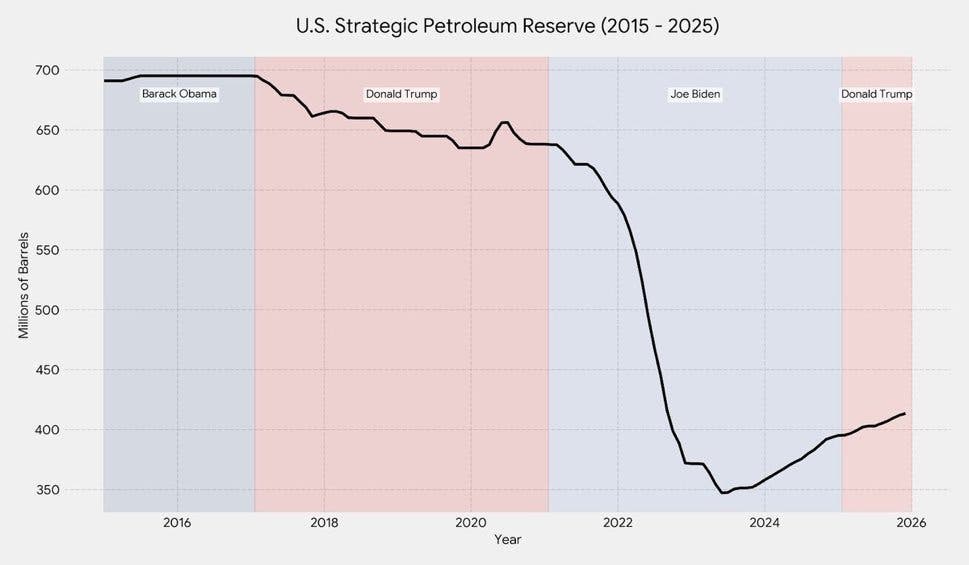
Washington has not helped either. The Strategic Petroleum Reserve was drained under President Joe Biden and now sits around 415 million barrels, well below its capacity of over 700 million barrels. The reserve's purpose is to stabilize markets during crises. However, when the White House attempted to start refilling it while oil prices were low, Senate Democrats blocked the effort.
The result is a perfect storm driven by politics.
Global instability drives prices higher. California’s shrinking refinery system tightens supply. Imported fuel increases costs further. Meanwhile, Washington’s failure to maintain the nation’s emergency reserves removes another safety net.
Working families are the ones paying the price. Every day, they see it in bright digital numbers climbing higher on the gas pump.
Sacramento and Washington can debate energy policy all they want. For millions of Californians trying to get through the week, the reality is clear: They are paying the price for political decisions made years ago.
***
Hector Barajas is a public affairs and strategic communications professional and the founder of Amplify360, Inc. His work places him at the forefront of high-level policy discussions involving lawmakers, political candidates, regulators, and industry leaders. These articles aim to illuminate information, context, and implications that are often discussed privately and frequently left out of the public debate.
X: @HectorMBarajas
LinkedIn: www.linkedin.com/in/hectormbarajas