Neighbor News
California’s War on Plastic Becomes a War on Food Producers
Sacramento's plastic crackdown is set to raise food prices, increase waste, and make it harder for families to afford fresh groceries.

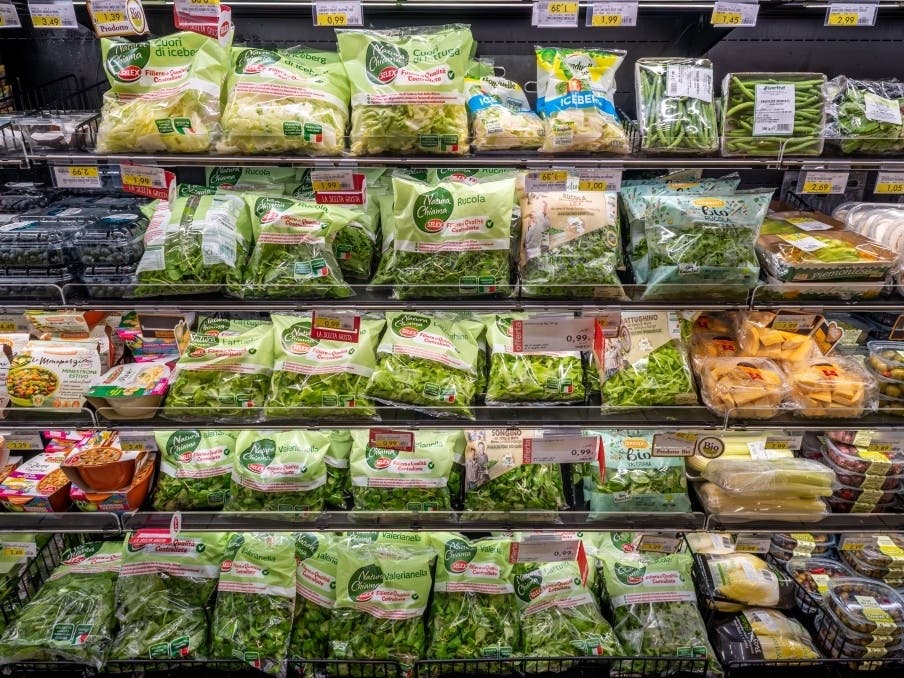
California agriculture feeds millions of families across the state, the country, and the world. Yet once again, California regulators are ready to impose new burdens on the very people responsible for putting food on our tables.
The implementation of Senate Bill 54, the Plastic Pollution Prevention and Packaging Producer Responsibility Act, is causing serious concerns among food producers. What started as a discussion about reducing plastic waste has turned into a regulatory scheme that could disrupt how fresh food is safely packaged, transported, and delivered to consumers. The question is straightforward: why is California making it harder for farmers to feed people?
Fresh produce is not a manufactured product that can sit indefinitely on a shelf. Fruits and vegetables are living products. They require packaging designed to prevent contamination, preserve freshness, and extend shelf life long enough to safely move through the supply chain. This packaging is not just a convenience; it is a public health tool. It helps prevent the spread of pathogens, protects food during transportation, and reduces spoilage before it reaches grocery stores.
Find out what's happening in Sacramentofor free with the latest updates from Patch.
Without it, more food will spoil before consumers ever see it.
Spoilage means higher prices, more waste, and less access to fresh food for families already struggling to afford groceries. These effects hit the most vulnerable communities and households, least able to absorb rising food costs.
Find out what's happening in Sacramentofor free with the latest updates from Patch.
For decades, farmers and food producers have invested hundreds of millions of dollars in developing modern packaging designs to prevent food loss and waste caused by water loss and physical damage during post-harvest handling.
Fruit and vegetable packaging also serves as an essential barrier against contamination from microorganisms, physical debris, environmental factors like insects and rodents, and pathogens that speed up spoilage and spread disease.
The latest draft regulations implementing SB 54 threaten to undermine that system and, in some cases, contradict federal packaging guidelines.
The law mandates that all single-use packaging sold in California must be recyclable or compostable by 2032, with strict recycling targets set well before that date. These goals are idealistic because the packaging required in the regulations DOES NOT EXIST for many types of fresh produce packaging.
Even more concerning is the removal of categorical exclusions that previously recognized the unique food safety requirements of produce packaging. Industry leaders warn that the new language makes it nearly impossible for growers to qualify for exemptions, even when federal law under the Food Safety Modernization Act requires the packaging currently in use.
What is the result?
Growers will face expensive compliance requirements, consultant fees, and regulatory payments that will inevitably be passed on to consumers.
Some products Americans rely on every day, including bagged salads and other ready-to-eat produce, could disappear from store shelves. Others will simply become more expensive.
Food security should be a priority, not self-sabotage.
Reducing plastic waste is a legitimate goal. But good policy requires balance and an understanding of how food systems actually function.
Fresh produce packaging represents only a tiny fraction of landfill waste, yet it plays a critical role in protecting food from contamination, reducing spoilage, and keeping food safe as it moves from farms to families. When regulations ignore those realities, the result is predictable: higher food prices, more waste, and less reliable domestic food production.
At a time when families are already struggling with rising grocery bills, policymakers and regulators should focus on strengthening the food supply, not making it harder for farmers to produce it.
***
Hector Barajas is a public affairs and strategic communications professional and the founder of Amplify360, Inc. His work places him at the forefront of high-level policy discussions involving lawmakers, political candidates, regulators, and industry leaders. These articles aim to illuminate information, context, and implications that are often discussed privately and frequently left out of the public debate.