Health & Fitness
'Clean Seafood' and Oceanic Conservation
With increasing concerns about the sustainability of seafood, Paul Shapiro discusses our relationship with the planet's oceans.

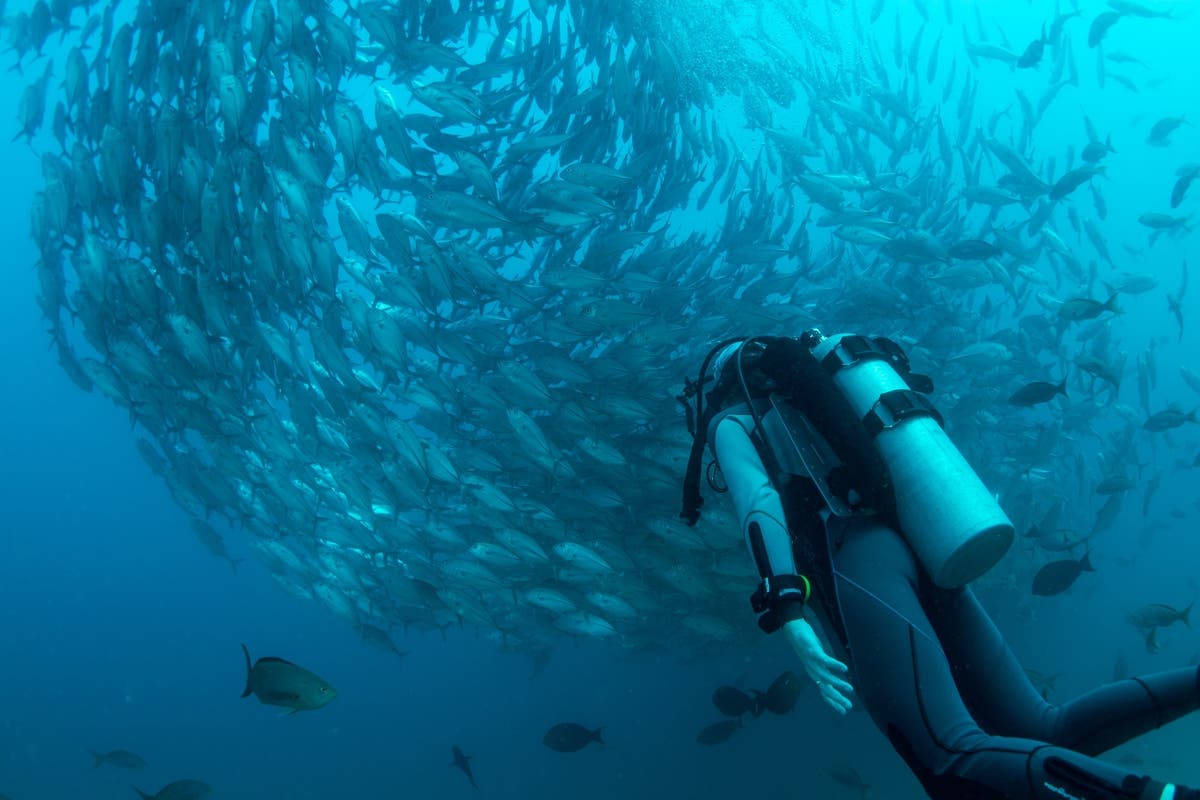
From the viewpoint of nearby planets, our home looks like little more than a blue dot. We like to think of earth as a rocky planet since we live on those rocks, but to an impartial observer, we really seem like more of a big ball covered in blue water with relatively small solids floating on around. It shouldn’t be surprising, therefore, that we once believed the oceans were inexhaustible resources and that tiny land-dweller like homosapiens could hardly affect, let alone decimate.
We now know better.
With increasing concerns about the sustainability of seafood, is it time to rethink our relationship with our planet’s oceans? What once seemed like an inexhaustible now we realize is far more fragile than we ever imagined. And humanity’s seemingly never-ending appetite for fish is chief among the problems our oceans face.
Find out what's happening in Sacramentofor free with the latest updates from Patch.
Today, half of the world’s consumption of seafood comes from (unsurprisingly) oceans, seas, and rivers, which leads to massive overfishing with little regulation of both the numbers and the work conditions of those catching all those fish. With little hope of restoring sea life populations to their pre-industrial revolution numbers in the near-term, can another solution to the problem be found?
In short: yes. The solution today is in the hands of those making seafood without the sea animals. The companies that are at the forefront of this movement are finding innovative ways of reducing the consumption of seafood, and meat overall, in order to improve the environmental, ethical, and economic hardships that result from consuming so much meat.
Find out what's happening in Sacramentofor free with the latest updates from Patch.
Plant-based seafood manufacturers are coming up with ways to recreate the taste, texture, and nutrients of seafood. And new discoveries are helping producers come up with some of the best products today.
The plant-based seafood industry is letting customers decide what tastes best on different sample-testing occasions. An example of this is the plant-based tuna from Good Catch Foods, made from a blend of various legumes. As someone who’s tried their product, it seemed pretty hard to me to distinguish the difference between tuna and their eco-friendlier alternative.
And in the near future, perhaps we’ll be eating real fish grown from fish cells rather than fish slaughter. As I’ve written before, such “clean fish” would carry on the biblical legacy of Jesus’s multiplication of the fish to feed the multitudes.
While newer sources of clean meat are being developed, we may need to start asking ourselves whether purchasing so many animal-based products is worth the cost, both literally and figuratively. Though the market for alternatives is not completely developed yet, there are existing plant-based alternatives that can pave the way to a cleaner future for our blue dot of a planet and all its inhabitants, both water- and land-based alike.