Schools
SDSU Researchers Identify Cancer Biomarker In Mice
A group of researchers at SDSU has discovered a way to identify a biomarker of some types of cancers, the university announced.
SAN DIEGO, CA – A group of researchers at San Diego State University has discovered a way to identify a biomarker of some types of colorectal, breast, pancreatic, bladder and lung cancers, the university announced Thursday.
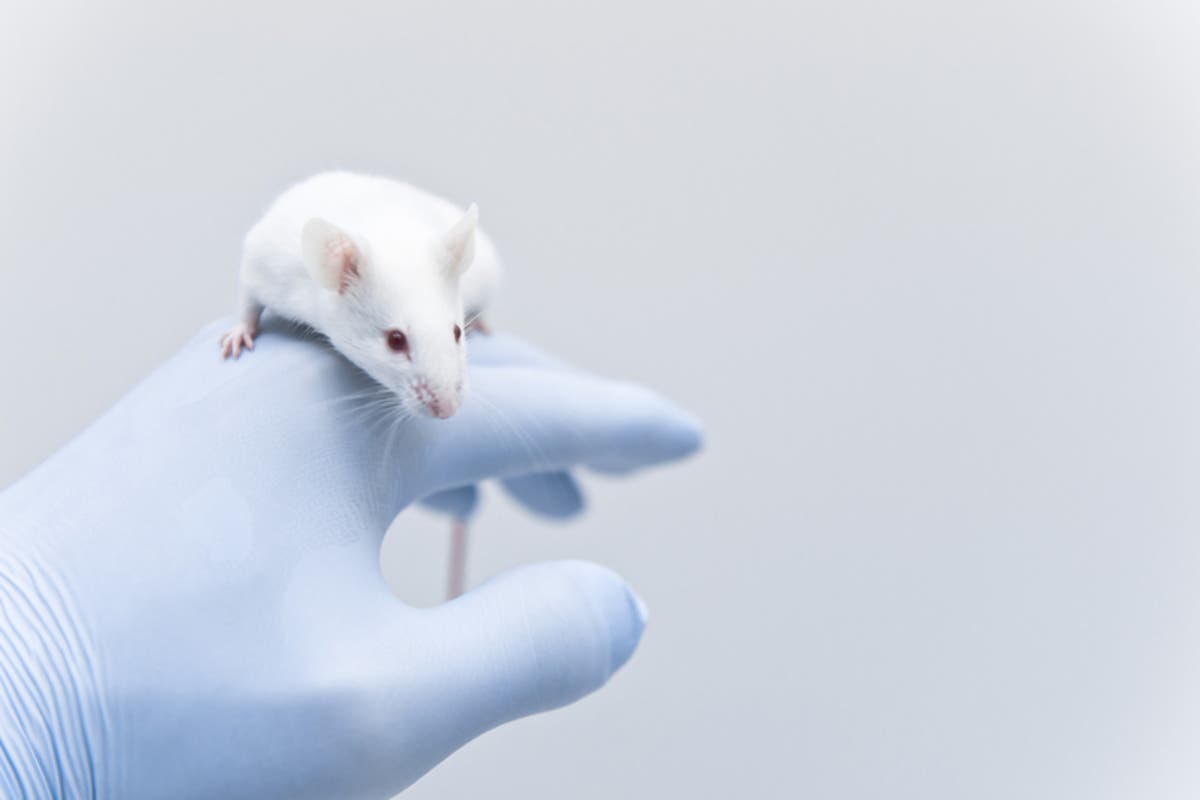
The biomarker is a mutation in cancer cell DNA called elevated microsatellite alterations at selected tetranucleotide repeats, or EMAST. The research team discovered EMAST while studying colorectal cancer in mice, but the mutation is also found in human cancers.
According to the researchers, the discovery can help progress the study of EMAST and how the mutation leads to cancer prognoses.
Find out what's happening in San Diegofor free with the latest updates from Patch.
"This is a pioneering study in the field," said Nitya Bhaskaran, a former SDSU graduate student and a teaching lab manager at Scripps Research. "This research creates a model that can be used to study EMAST while colorectal cancer is in progress, and possibly help discover therapeutic targets for people with the disease."
Previous research has established that EMAST mutations correlate with colorectal cancers that progress faster, can't be treated as easily and are more likely to be fatal. Bhaskaran and biology professors Kathleen McGuire and Scott Kelley worked in concert to find these mutations in mice DNA strands that were similar to humans and, eventually, discover the point mutations.
Find out what's happening in San Diegofor free with the latest updates from Patch.
The National Cancer Institute funded the project. The research team's findings were published in the journal Scientific Reports.
By City News Service / Image via Shutterstock