Health & Fitness
2,000 Kaiser Therapists To Strike In NorCal This Month
Kaiser mental health workers in NorCal are the latest to announce plans to join thousands of Kaiser employees going on strike in November.


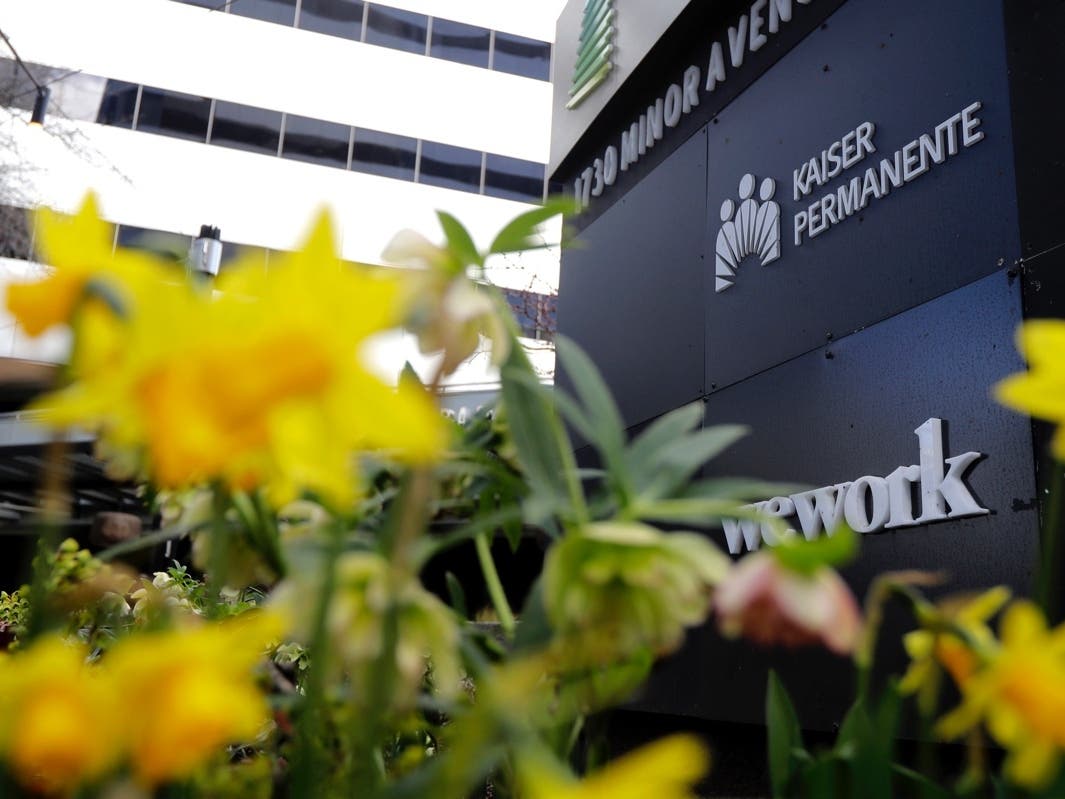
SAN FRANCISCO, CA — Some 2,000 Kaiser Permanente therapists and mental health workers will walk off the job later this month amid calls to increase staffing and to negotiate a contract that includes higher wages, the union representing the workers said in a statement.
The one-day strike will involve clinicians who will picket outside Kaiser facilities in San Francisco, Oakland, Sacramento, Fresno and San Jose at 6 a.m. on Nov. 19, the National Union of Healthcare Workers said in an emailed statement.
Union employees urged the industry giant to fix what they called its "broken mental health case system that leaves patients waiting up to three months for therapy appointments and therapists overwhelmed with crushing caseloads."
Find out what's happening in San Franciscofor free with the latest updates from Patch.
Kaiser's mental health workers have been working without a contract since Oct. 1. Negotiations on a new contract have dragged on since July. The union alleged that Kaiser rejected proposals to increase staffing and to hire more bilingual and minority therapists. Such rejections have increased turnover at Kaiser clinics and pushed therapists to manage "unsustainable" caseloads, according to the union.
Kaiser has not made a proposal on wages and benefits for some 2,000 mental health care workers in Northern California, the union added.
Find out what's happening in San Franciscofor free with the latest updates from Patch.
“Kaiser is in denial about how much its patients are suffering trying to access mental health care,” said Kenneth Rogers, a Kaiser psychologist in Sacramento.
Kaiser disputed the union's characterization of the ongoing negotiations.
The strike notice comes as Senate Bill 221, which takes effect in July 2022, will require health plans and insurers to book patients for follow-up appointments within 10 business days unless the clinician determines a longer wait time would not be detrimental to the patient.
Many Kaiser patients are currently forced to wait between one and three months between appointments, the union said.
"There’s no clinical standard that calls for making patients wait a month or more between appointments, and therapists are leaving because we can’t provide ethical care," Rogers said in a news release.
A survey conducted by the union found that 87 percent of mental health workers said that weekly individual psychotherapy appointments are unavailable for patients who need them.
In its defense, Kaiser said it is trying to meet the shortage of mental health clinicians and is aggressively hiring mental health specialists, hired more than 600 therapists in California between 2016 and 2020, and continued actively to recruit more. In addition, Kaiser said it has invested some $30 million to train new mental health clinicians statewide.
Increasingly unaffordable health care costs coupled with rising wages for mental health care professionals are to blame, said Arlene Peasnall, Kaiser senior vice president of human resources, in a statement.
"We cannot continue to allow costs to grow beyond what our members can afford," Peasnell said. "The challenge we are trying to address is that if we continue to increase costs so high above the marketplace, our members will not be able to afford to get the care they need. We have to work together to address this challenge in a way that honors and rewards our employees and recognizes the increasing difficulty our members and customers face in paying for care."
Peasnell added, "We take seriously any threat to disrupt care. We urge our employees to reject any call for a strike, continue to focus on providing care, and work with us through the bargaining process to finalize a new agreement."
The health conglomerate reported a $13.8 billion profit and has reserves totaling $44 billion, according to the union. Kaiser did not confirm the figures.
"Kaiser has the resources to be the best place to give and receive behavioral health care, but it’s chosen to be the poster child for unequal, unethical care," Sal Rosselli, president of the National Union of Healthcare Workers, said in a statement.
The notice to strike comes as some 21,000 registered nurses, pharmacists and other health care workers of Kaiser Permanente statewide announced plans to halt work for 10 days beginning Monday, according to a release from the United Nurses Associations of California/Union of Health Care Professionals.
Meanwhile, in Northern California, the company received a 10-day notice from the Guild for Professional Pharmacists amid a contract dispute that will trigger a strike beginning mid-month and likely ending Nov. 22.
The work stoppage will likely affect operations at all outpatient pharmacies in the region, Kaiser Permanente said in a statement. Californians who rely on Kaiser's pharmacies were urged to fill their prescriptions ahead of the Nov. 15 walkout.
Company officials said they hoped to reach an agreement with the guild before Monday as they are still negotiating contracts with it.
Kaiser's hospitals will remain open in that region, Kaiser said.
Kaiser is one of the country's largest health care providers. It proposed a two-tiered wage and benefits system that would give newer employees lower pay and fewer health protections, the United Nurses Associations of California/Union of Health Care Professionals claimed.
The unions wanted Kaiser to nix that plan and have asked for 4 percent raises for each of the next three years and a commitment to hire more nurses to relieve staffing shortages.
The company offered 1 percent a year, with additional lump sums, and said it must reduce labor costs to remain competitive.
Wage-related negotiations between the unions and Kaiser Permanente have been ongoing for weeks.
The union's president, Denise Duncan, a registered nurse, said the two-tier wage package would hamper the ability to "hire, recruit and retain during a severe shortage of nurses, health care workers and professionals."
She added that the industry giant had proposed wages that "resemble those of a slash-and-burn corporation, not the leading health care provider that our members helped build."
Peasnall rebutted the claims, KTLA reported.
"The challenge we are trying to address in partnership with our unions is the increasingly unaffordable cost of health care. And the fact is, wages and benefits account for half of Kaiser Permanente’s operational costs," Peasnall reportedly said.
The Associated Press and Bay City News contributed to this report.
Get more local news delivered straight to your inbox. Sign up for free Patch newsletters and alerts.