Crime & Safety
CA Child Dies Of Rare Brain-Eating Amoeba After Swimming In Lake
A 7-year-old died after he was infected with a rare brain-eating amoeba after he swam in a Northern California lake.


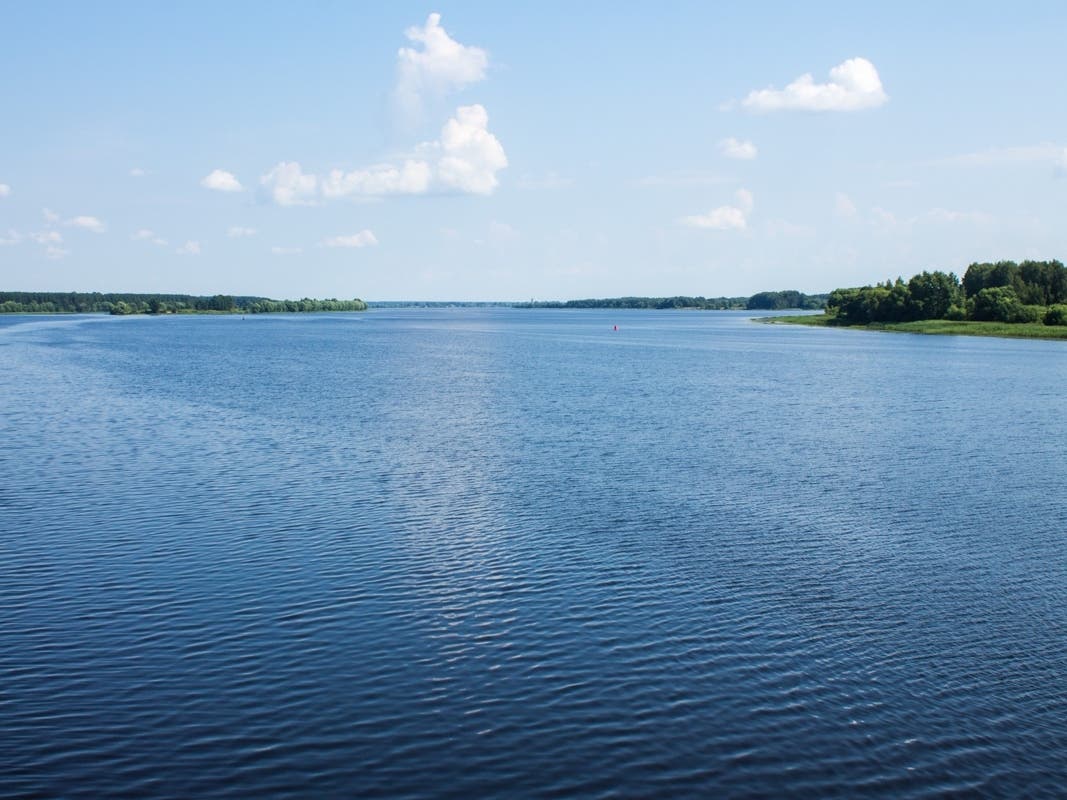
RED BLUFF, CA — A Tehama County boy died last week after he was infected with a rare brain-eating amoeba. Authorities suspect he was infected after swimming in a Northern California lake, according to reports.
David Pruit, 7, was rushed to UC David Medical Center on July 30, where he was placed on life support after suffering from severe brain swelling, his aunt, Crystal Haley, wrote in a GoFundMe post, which raised more than $18,000.
On Aug. 7, David died of primary amebic meningoencephalitis, an infection caused by the Naegleria fowleri parasite, which is considered to be extremely rare.
Find out what's happening in San Franciscofor free with the latest updates from Patch.
"We are sad and broken hearted to report, that our sweet little David has passed on," Hayley wrote on the GoFundMe effort. "...David did contract a devastating infection of the brain called primary amebic meningoencephalitis (PAM) from an amoeba found in freshwater and soil around the world."
Since 1971, there have only been 10 cases reported in the Golden State, the Associated Press reported. A release from Tehama County Health Services said the boy was likely infected in a lake in Tehama County, the AP reported.
Find out what's happening in San Franciscofor free with the latest updates from Patch.
The rare parasite can infect people swimming in contaminated water, where it can enter the body through the nose, according to the Centers for Disease Control and Prevention.
"Once the ameba enters the nose, it travels to the brain where it causes PAM, which is usually fatal," the CDC said. "Infection typically occurs when people go swimming or diving in warm freshwater places, like lakes and rivers."
GoFundMe is a Patch promotional partner.
Get more local news delivered straight to your inbox. Sign up for free Patch newsletters and alerts.