Neighbor News
Elizabeth Funk, CEO of The Dignity Fund, on Chronic Homelessness
Elizabeth Funk shares how Tipping Point is working to end chronic homelessness in San Francisco.

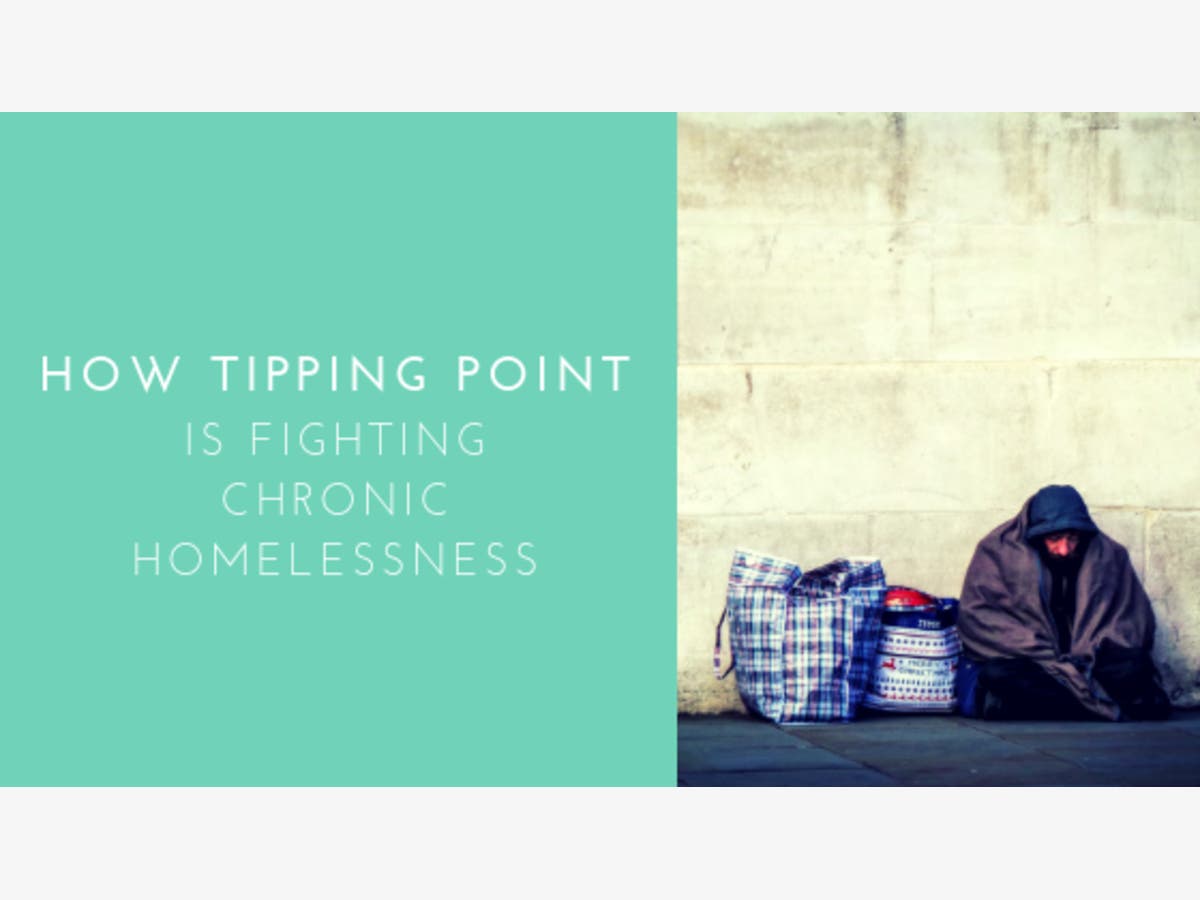
Homelessness, as it’s seen today in the United States, began in the 1970s and 80s. During this time, there was a dwindling supply of affordable housing, due to Federal housing assistance and housing construction cuts, the changing of rental units into condos, and the demolition of substandard housing. At the same time, there was also a rise in income inequality. The cost of living increased, there were less low-skill jobs available, and the minimum wage was not adjusted in relation to inflation.
In San Francisco, chronic homelessness is a large problem. Chronic homelessness is defined as someone who has a disabling condition and has been homeless for longer than a year, or four times over the course of three years. There are approximately 7,500 homeless people in the city on a given night. The availability of low-income housing has dwindled, while the number of extremely low-income renters has vastly increased. While there has been positive movement in the past decade due to various interventions, the problem still persists.
Tipping Point was created in response to this crisis. Tipping Point works to fight poverty in the Bay Area. Since 2005, they have raised over $150 million to educate, house, employ and support the homeless population in the Bay Area. They do this by partnering with other groups helping to fight the problem, giving every dollar raised to the cause, and working with pro bono partners to offer services and expertise that these populations would otherwise not have access to.
Tipping Point has developed an investment strategy to help end chronic homelessness. The strategy seeks to remove the major barriers that prevent people from ending their chronic homelessness through a three-part impact strategy:
Create more housing
Tipping Point aims to target the chronically homeless population by streamlining the process for creating and accessing housing.
Prevent homelessness
To prevent homelessness, Tipping Point plans to intervene at times when the public sector intersects with populations at the highest risk of becoming chronically homeless.
Optimize public sector
Optimizing the public sector would be accomplished by maximizing the funding put behind the effort to end homelessness and coordinating and creating an individualized approach to the problem.
Tipping Point aims to complete these goals by partnering with the philanthropy, the private sector, people in need, the government, and nonprofits. They understand the need for collaboration between all parties to create lasting change.
About Elizabeth Funk

Elizabeth Funk is the founder and CEO of Dignity Fund, an innovative social impact for-profit fund that provides capital for microfinance projects around the world to help impoverished entrepreneurs found their own businesses and bring themselves out of poverty. Elizabeth also serves as the General Partner for DevEquity, a company that provides funds for social enterprises throughout Latin America.
Find out what's happening in San Franciscofor free with the latest updates from Patch.
Elizabeth Funk graduated from Stanford University with honors in 1991. She then went on to earn her MBA from Harvard University in 1996 and was a Baker Scholar.
This article was originally published on ElizabethFunk.info.