Neighbor News
Postpartum Psychological Horror Opens in Theaters Today
'Nesting' offers an unflinching look at the darker, rarely discussed realities of postpartum depression
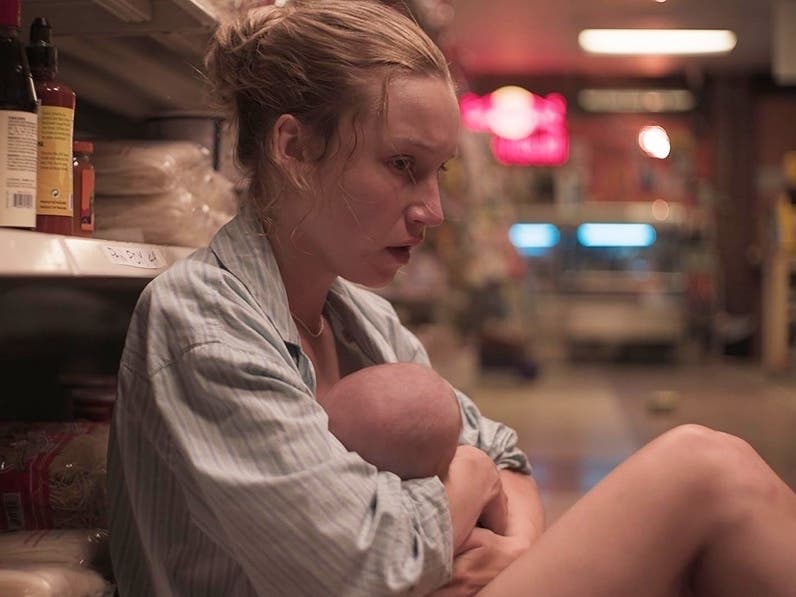
A haunting and emotionally devastating new psychological thriller is arriving in theaters this week, and it is poised to leave audiences shaken long after the credits roll. Opening today at Alamo Drafthouse Cinema locations in Mountain View, New Mission, and Valley Fair, ahead of its streaming debut on May 29, Nesting marks an unforgettable feature directorial debut from filmmaker Chloé Cinq-Mars — one that boldly confronts the unspoken realities of motherhood, trauma, and mental health with startling honesty and artistic precision.
Anchored by a fearless lead performance from Rose-Marie Perreault, Nesting is more than a psychological thriller. It is an immersive emotional experience that refuses to sanitize the darker corners of postpartum life. Raw, intimate, and deeply unsettling, the film blends psychological horror with emotional realism in ways that feel both innovative and painfully human.
Perreault stars as Pénélope, a new mother struggling to survive the emotional and physical aftermath of childbirth while caring for her infant son, Lou. As exhaustion and isolation begin to consume her, her grasp on reality slowly deteriorates. Memories, hallucinations, and unresolved trauma start bleeding into her daily life, creating a suffocating atmosphere where the line between fear and reality becomes dangerously blurred.
Find out what's happening in San Franciscofor free with the latest updates from Patch.
What makes Nesting so effective is that its horror never feels manufactured. Instead, Cinq-Mars roots every terrifying moment in emotional truth. Drawing from her own experiences following the traumatic birth of her first child, the director channels real pain and vulnerability into the film’s DNA.
“It’s an extremely personal film into which I poured a lot of myself,” Cinq-Mars said in a statement. “After the traumatic birth of my first child and the months that followed, I experienced an overwhelming sense of isolation. I was in survival mode, and no one asked me about my mental health.”
Find out what's happening in San Franciscofor free with the latest updates from Patch.
That emotional authenticity radiates through every frame of the film. Rather than leaning on cheap jump scares or genre clichés, Nesting builds tension through psychological fragmentation and sensory overload. Cinq-Mars employs looping sequences, fractured editing, distorted sound design, and dreamlike imagery to place viewers directly inside Pénélope’s unraveling psyche. The result is disorienting in the most intentional way possible.
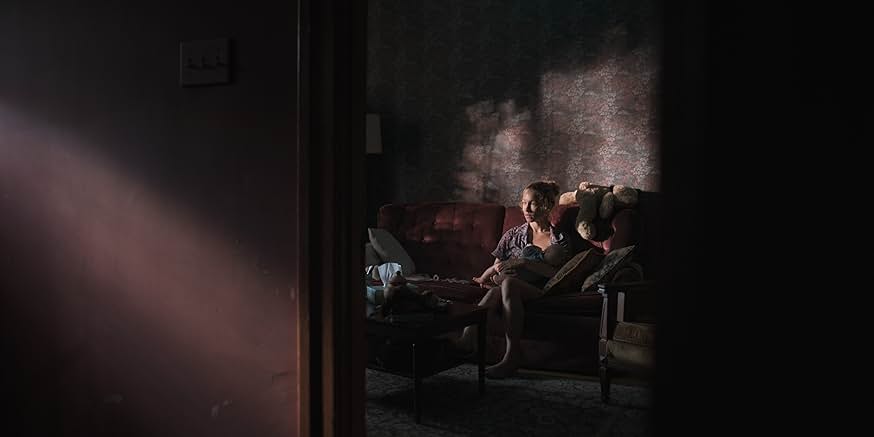
The film’s aesthetic evolution is particularly impressive. What begins as grounded domestic realism gradually mutates into something surreal and nightmarish, mirroring Pénélope’s deteriorating mental state. The soundscape becomes increasingly oppressive, while heightened contrasts and eerie color palettes create an atmosphere of constant unease.
Yet despite its disturbing imagery, Nesting never loses sight of empathy. At its core, this is a film about a woman desperate to hold herself together while the world around her ignores her suffering. Cinq-Mars challenges the idealized image of motherhood so often portrayed in media, exposing the exhaustion, fear, bodily trauma, and emotional isolation many women experience in silence.
Perreault delivers a staggering performance that grounds the film’s more surreal elements in emotional reality. Her portrayal of Pénélope is deeply vulnerable yet fiercely resilient, allowing audiences to empathize with her even in the story’s darkest moments. It is the kind of fearless performance that deserves serious awards consideration.
Supporting performances from Simon Landry-Desy, Saladin Dellers, and Marie Bélanger further enrich the film’s emotional complexity, particularly as unresolved family trauma involving Pénélope’s sister Charlotte resurfaces throughout the narrative.
The film has already generated strong buzz on the festival circuit, screening at prestigious genre festivals including Fantastic Fest, Brooklyn Horror Film Festival, Fantaspoa, and Fantasia International Film Festival, where Cinq-Mars earned the Northern Excellence Award for Best Canadian Filmmaker.
Distributed by Breaking Glass Pictures, Nesting arrives at a moment when conversations surrounding maternal mental health are finally becoming more visible in mainstream culture. The film serves not only as gripping cinema, but also as a form of advocacy.
“Too often, mothers in distress are judged instead of helped,” Cinq-Mars said. “I want audiences to understand that these struggles are more common than we think, and that compassion is essential.”
That compassion is exactly what makes Nesting so powerful. Even at its most harrowing, the film approaches its protagonist with humanity rather than sensationalism. It refuses to exploit pain for shock value, instead offering a compassionate portrait of someone drowning beneath impossible expectations.
It is emotionally exhausting, visually hypnotic, and profoundly affecting. It lingers in the mind long after the final scene fades to black.
Nesting opens today in select Drafthouse theaters nationwide before arriving on major streaming platforms Friday, May 29.