Neighbor News
Promote Health Equity by Supporting the ENACT Act in CA 2022
Advocate for a brighter future with the Alzheimer's Association and the Equity in Neuroscience and Alzheimer's Clinical Trials (ENACT) Act

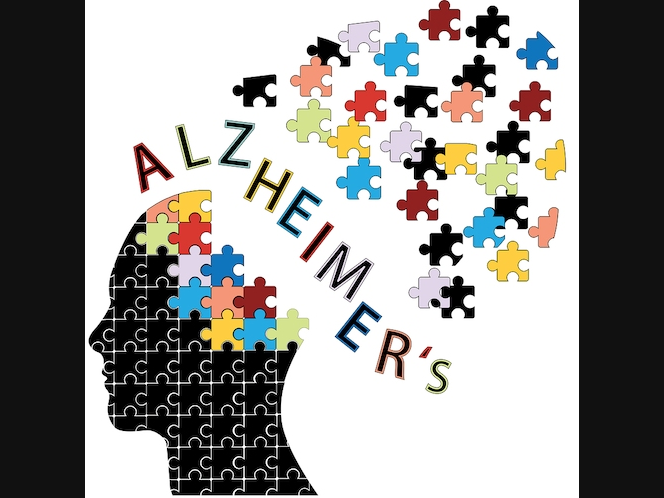
It is an indisputable truth that memory plays a crucial role in the formation of our identities, shaping worldviews and informing critical decision making. Our collective memory can serve as an effective tool in building resilience and optimism, empowering us to overcome adversity in our daily lives. Or alternatively, past trauma can elicit stress-induced responses with subtle, insidious or even outright destructive long-term impact. Given this information, it will prove beneficial as a collective society to prioritize advancements in research and care involving memory and the aging process.
To date, leading causes of neurodegenerative diseases such as Alzheimer’s and dementia remain poorly understood and elusive. With the skyrocketing prevalence of Alzheimer’s and dementia, complex social issues surrounding the disease should be examined in tandem. Despite being more likely to have the disease, decades of Alzheimer’s research has not included sufficient numbers of Blacks or Hispanics — not to mention Asian Americans/Pacific Islanders and Native Americans — to be representative of the U.S. population. As a healthcare provider and clinical researcher working with the geriatric population, I have directly observed the need to build and restore trust in underrepresented communities. The Equity in Neuroscience and Alzheimer’s Clinical Trials (ENACT) Act is bipartisan legislation that would increase the participation of underrepresented populations in Alzheimer’s clinical trials by expanding education and outreach to these populations. As a daughter of an immigrant mother, I can empathize with the marginalized and forgotten communities. People deserve a deeper level of respect and understanding. We must not remain callous and ignorant of their suffering.
Without an effective treatment or cure, the impact of Alzheimer’s will continue to rise and the numbers in California are escalating. The most recent data shows an estimated 690,000 people aged 65 and older living with Alzheimer’s in California. Approximately 11.7% of people aged 45 and older have subjective cognitive decline. Over 1.12 million family caregivers bear the burden of the disease in California. There is an outstanding 884 million hours of unpaid care provided by Alzheimer’s caregivers which equates to $18 billion in value of unpaid care. The strain on resources has contributed to the cost of over $4.2 billion of Alzheimer’s to the state Medicaid program. As we deal with the uncertainty and fear of aging parents, grandparents or loved ones, we must confront the uncomfortable realities and do our best to prevent the propagation of these injustices. Please join me and the Alzheimer’s Association in asking Speaker Pelosi to bring the ENACT Act to a vote in the House. Visit alzimpact.org/enact to learn more and take action!
Find out what's happening in San Franciscofor free with the latest updates from Patch.
Overview of California and Public Health Spotlight. Alzheimer's Disease and Dementia. (n.d.). Retrieved March 2, 2022, from https://www.alz.org/profession...