Neighbor News
Resourceful Solutions: How To Find Wall Studs Without A Stud Finder
Discover how to locate wall studs without a stud finder with these resourceful solutions. Unlock the secrets here!


Have you ever been in the middle of a home improvement project, only to find that you need a stud finder and don't have one? Don't worry; it happens to the best of us! But with some resourceful solutions and a little bit of know-how, you can still locate wall studs without a stud finder.
Let's look at what wall studs are, why they're important to locate, and how to do it without any fancy equipment. So if you're ready for practical tips on finding your hidden wall treasures, read on!
What are Wall Studs?
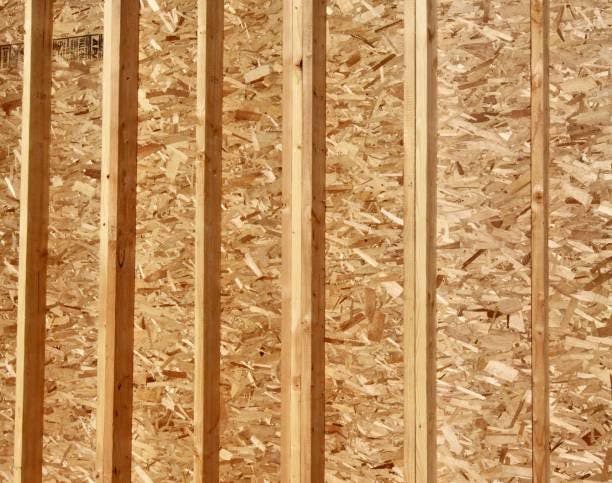
Wall studs are essential components of any wall, providing support and stability to the structure. On average, they're spaced 16 inches apart - a fact that you'll appreciate when trying to hang something heavy like a shelf or TV mounting system.
Find out what's happening in San Franciscofor free with the latest updates from Patch.
Locating wall studs is key for proper drywall repair as well as anchoring items securely and safely. Knowing where to find them without using a stud finder can be useful if you ever find yourself in an emergency.
When it comes to locating wall studs without the aid of a device, manual methods are the way to go. Start by looking for raised or sunken imperfections on the walls, which could indicate where the framing ends or begins; electrical boxes, windows, and trim can also give clues as to where the next stud may be located.
Find out what's happening in San Franciscofor free with the latest updates from Patch.
If all else fails, use your hands and ears by tapping along the wall until you hear a change in sound - this indicates that you've found one! To confirm your findings, measure between adjacent points; if it's about 16 inches apart, there's likely a stud. Finally, mark your location with painter's tape so you don't forget!
Why Locate Wall Studs?![]()

Knowing where your wall studs are located is essential for ensuring the safety and security of heavy objects like shelves, mirrors, and TV mounting systems. Installing these items without knowing their exact location can cause damage to both your home and its contents.
To avoid this type of scenario, you must first locate the studs to anchor them properly. While a stud finder is one way to do this, there are several alternative tools and techniques that you can use if you don’t have access to one.
From looking for raised/sunken imperfections or locating electrical boxes/windows/trim on the wall to tapping it or using a magnet to detect metal fasteners, plenty of options are available for those who want to find their wall studs without relying on a stud finder.
With some patience and practice, anyone can become adept at finding these elusive structural elements within walls—you just need an eye for detail! Regardless of your chosen method, always remember to confirm your findings by locating multiple points and measuring between adjacent studs before starting any project involving anchors or fasteners.
Common Tools for Locating Wall Studs
Being resourceful is the key to success when it comes to finding those elusive wall studs, and plenty of tools are available to help you get the job done!
Manual methods for locating wall studs include looking for raised or recessed imperfections along a wall surface. You can also pay attention to any electrical boxes, windows, or trim that might be attached to a stud. Additionally, tapping on the wall in various places usually reveals different sound densities, indicating a solid object behind the drywall—namely, a wood stud!
In order to confirm locations, measure between adjacent studs with a tape measure. And don't forget about painter's tape; marking the location and height of your fasteners helps make installation easier later on down the line.
But before you start drilling holes in your walls, be aware of potential obstacles like wiring, plumbing lines, and gas pipes that could cause personal injury or damage your home if struck by accident.
With these simple tools, you'll have no trouble finding where those pesky wall studs are hiding!
Alternative Tools for Locating Wall Studs
Forget the manual methods; it's time to get creative and find those wall studs without breaking a sweat!
You can still locate wall studs without using a stud finder. You can easily determine where the wall studs are located by using alternative tools like magnets, painter's tape, or photos taken during previous renovations.
Magnets are great for finding metal fasteners that have been used to secure drywall to the framing elements of the house. Painters tape is also useful for marking off which areas contain studs, so you know exactly where to drill your holes and mount your items.
Photos from previous renovations can help locate wall studs as they provide an idea of what materials were used and how they were laid out. And while these alternative tools may not be as precise as a professional-grade stud finder, they're definitely worth trying out before spending money on one!
Techniques for Locating Wall Studs
Being creative and resourceful can help you locate those hard-to-find wall studs quickly and easily without breaking the bank on a professional stud finder.
First, look for signs of existing studs around windows or doors, as these will likely be attached to one or more. Additionally, check any trim that may have been installed in the area. The edges of the trim will generally show where nails have been hammered into the wall - making it easier to spot a stud below.
Next, use the knock test by tapping against either side of electrical boxes or outlets; if one side is noticeably harder than the other, then this usually indicates a stud on that side.
If all else fails, measure out 16 inches from any corner and start looking for signs of drywall screws or nails – these often indicate where a wall stud lies beneath them.
If you doubt drilling holes in your walls due to potential obstacles like wiring, plumbing lines, and gas pipes, proceed cautiously!
Conclusion
You can now confidently tackle any project that requires you to find wall studs without a stud finder. You can quickly and safely locate wall studs using the tools and techniques outlined in this article.
This will make it easier for you to securely mount your shelves or TV mounting systems, giving you peace of mind knowing that everything is secure.
So get started on your next project – finding wall studs has never been simpler!