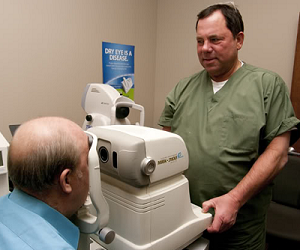
What do you do daily that you need good eyesight for? Do you drive, read, watch television, look into the eyes of those you love, do crafts or mechanical projects, watch where you are going as you go to the kitchen, look into the fridge, cook, take walks and enjoy what you see, read instructions for medications? I think you get the point. Your eyesight is something you depend on most of the day. It is a major part of your ability as a senior to age in place at home.
Do you know the 5 most common age-related eye problems? If you are approaching age 60 or are in your 60s or beyond, you want to know the warning signs of these problems before you lose your vision. Yes, I am trying to scare you because your sight is that important to your independence. In fact, I think it is so important that we have come up with a new, free Sequoia Senior Solutions guide: Vision and Aging - The Five Most Common Age-Related Eye Problems that you can get if you click here.
Here are those five eye-related problems in case you don’t know them:
- glaucoma
- macular degeneration
- effects of diabetes
- dry eyes
- cataracts
Have you had any of these or know someone who has? Dr. John Tracy, a doctor of optometry in Santa Rosa, CA, says that these five make up 90% of the eye problems affecting older adults.
Signs you are in trouble:
Have you been to a doctor of optometry or an ophthalmologist lately? When was your last visit?
Find out what's happening in San Anselmo-Fairfaxfor free with the latest updates from Patch.
Did you know that cataracts usually form slowly, without any indicators such as pain or redness. If you’ve begun to clean your glasses more often, even when they seem to be perfectly clean, you may have cataracts. Most people leave them alone until they fail to get their driver’s license renewed.
Or you might be suffering the effects of diabetes if in the morning, one pair of glasses is perfect. In the afternoon, you need a different pair. And towards evening, those old ones are the only glasses that seem to help. This is a classic sign of blood glucose fluctuation in uncontrolled diabetes.
Find out what's happening in San Anselmo-Fairfaxfor free with the latest updates from Patch.
Nutrition can make a difference as well:
The Bad: Recent studies have found that those who eat a lot of a certain type of carbohydrate may have a greater chance of developing central vision loss as they age. These carbs, such as white bread, white rice, potatoes, white pasta, refined sugar, and corn syrup, cause blood sugar levels to rise and then fall rapidly.
The Good: Foods rich in antioxidants have been found to help prevent vision loss. These include whole grains, vegetable oil, eggs, nuts, meat, poultry, fish, dairy, carrots, kale, spinach, citrus fruits, green peppers, and broccoli.
Your mother was right when she told you to eat your vegetables and your doctor was right when he sent you to a dietician. Good advice is always the best to follow.
Take-aways:
- If you want to retain your vision you need to see all your doctors regularly to make sure that you have not become diabetic.
- Go to the eye doctor regularly so he can detect changes in your eyes that might be harmful.
- Eat more of the good food and less of the bad ones.
If you do all these things, you will be able to catch any problems before they become major. After all, you want to be able to watch your grandchildren play, see the loving eyes of the family pet, read the words of your favorite book or the Bible, and be independent.
To learn more about this, please get your new, free guide from Sequoia Senior Solutions: Vision and Aging - The Five Most Common Age-Related Eye Problems. You can get if you click here.
doctor visit image: http://i1158.photobucket.com/albums/p605/greencountryinteractive/IMGP5696.jpg