Politics & Government
Berkeley CA: Senator Hill - School Legislation - Nov 2nd 2015
(Nov 2, 6 to 8 p.m. at Berkeley High School's Building 'M' Gym, 1980 Allston Way)


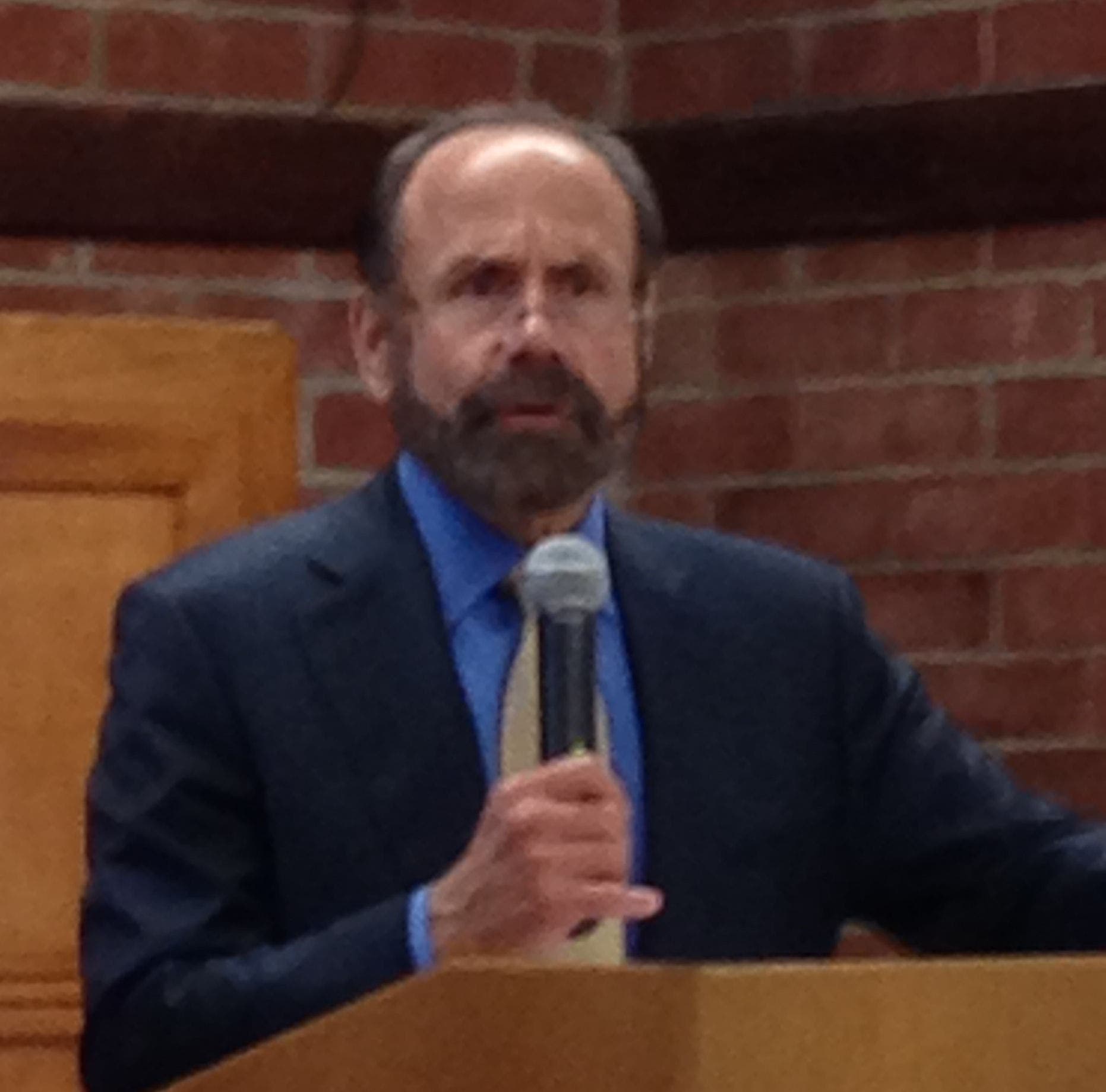
Senator Jerry Hill Announces Legislation Requiring Schools and Local Governments to Consider Artificial Turf Field Materials that Don’t Contain Used Tires
The State’s Environmental Watchdog Holds a Public Workshop Tonight in Berkeley to get Input on Human Health Impact Study
(Nov 2, 6 to 8 p.m. at Berkeley High School’s Building ‘M’ Gym, 1980 Allston Way)
Find out what's happening in San Brunofor free with the latest updates from Patch.
San Mateo – State Senator Jerry Hill, D-San Mateo County/Santa Clara County, announced today that he will be renewing his legislative effort to require schools and local governments to consider using non-toxic infill alternatives to used tires when installing artificial turf fields.
The announcement comes as the State Office of Environmental Health Hazard Assessment (OEHHA) kicks off its public workshop series tonight in Berkeley where officials will gather feedback for the nearly $3 million study underway to determine the human health impacts of ground up waste tires on children’s artificial turf fields. In the coming weeks OEHHA will host additional workshops in Los Angeles and San Diego where athletes of all ages, parents, and other interested residents are encouraged to attend to learn more about the study and provide input. The study is scheduled to be completed by mid-2018.
Find out what's happening in San Brunofor free with the latest updates from Patch.
Hill’s legislation would require locals to consider the variety of artificial turf infill options instead of defaulting to the typically cheaper used tire infill. Schools from around the state, including in Madera, Long Beach, San Mateo, and Los Angeles, have been ditching waste-tire field products in recent months in favor of more natural infill materials including coconut fibers, rice husks, cork, sand, and virgin rubber.
Senate Bill 47 will be amended when the Legislature reconvenes in January where it will likely face a vote of the entire Senate by January 31, 2016. The legislation would require locals to consider alternatives until the study is complete in 2018. Once the study is complete the legislature can decide whether to continue the legislation or modify it based on the study’s findings.
Earlier this year Chairman Elliot Kaye of the US Product Safety Commission testified before Congress and stated that he longer stands behind a 2008 statement that crumb rubber is safe to play on. He went on to describe new federal studies underway. The Consumer Product Safety Commission has also ordered an enforcement review of marketing of artificial turf products for children because the agency has found lead levels in artificial sports fields above statutory limits in children’s products. In 2013, EPA posted a disclaimer on the only limited study on tire crumb risk it has ever conducted. The EPA press release summarizing the study has been stamped with a notice that it was “outdated” and a new link has been appended to a statement stressing the need for “future studies” to enable “more comprehensive conclusions.” In 2010, Attorney General Jerry Brown settled a case with the nation’s largest makers and installers of turf fields requiring them to reduce lead levels in their products.
At least 10 studies since 2007 — including those by The Consumer Product Safety Commission and the EPA — have found potentially harmful lead levels in turf fibers and in rubber crumbs.
Ø A 2012 study published in Chemosphere titled, “Hazardous organic chemicals in rubber recycled tire playgrounds and pavers”, showed the high content of toxic chemicals in these recycled materials and found that “uses of recycled rubber tires, especially those targeting play areas and other facilities for children, should be a matter of regulatory concern.”
Ø A 2011 study titled, “An Evaluation of Potential Exposures to Lead and Other Metals as the Result of Aerosolized Particulate Matter from Artificial Turf Playing Fields” concluded that; synthetic turf can deteriorate to form dust containing lead at levels that may pose a risk to children.
Ø The Swedish Chemical Agency found that waste tire crumb rubber contains several particularly hazardous substances and recommended that rubber granules from waste tires not be used in synthetic turf.
OEHHA’s 2010 study on used tires in artificial turf fields measured chemical concentrations in the air above the fields and found that eight chemicals appear on the California Proposition 65 list of chemicals known to the state to cause cancer. Exposure to five of these via inhalation (benzene, formaldehyde, naphthalene, nitromethane, styrene) gave increased lifetime cancer risks that exceeded one in one million. According to the study, the highest risk was from nitromethane, which could cause about nine cancer cases in a hypothetical population of 1 million soccer players. The study also found that two additional chemicals identified appear on the California Proposition 65 list as developmental /reproductive poisons (toluene and benzene).
“We have a responsibility to ensure that our children aren’t being harmed by materials used to make their fields and playgrounds,” Hill said.
Thousands of schools, parks, and local governments have installed turf fields throughout the state; It’s allowed them to use fields year round, save water, and save money, among other benefits. But not all turf fields are made from the same materials. Many companies offer artificial turf infill alternatives instead of crumb rubber from waste tires. These products don’t pose the potential health risks and they average 30 degrees cooler than waste tire fields. The Los Angeles Unified School District banned turf fields containing waste tires in 2009.
###
Nate Solov
Office of Senator Jerry Hill
916-651-4013
Photo Credit: San Bruno CA Patch Archives
Source Credit: California State Senator Jerry Hill
www.RelayForLife.org/SanBrunoCA
I support the American Cancer Society’s mission and Relay For Life San Bruno CA
American Cancer Society’s MISSION Statement:
The American Cancer Society is the nationwide community-based voluntary health organization dedicated to eliminating cancer as a major health problem by preventing cancer, saving lives, and diminishing suffering from cancer, through research, education, advocacy, and service.
