Community Corner
Too Cute! Bay Area Wildlife Babies Are Here: What You Should Do To Keep Them Safe
The Peninsula Humane Society is offering some suggestions to minimize impact with Bay Area nesting wildlife.


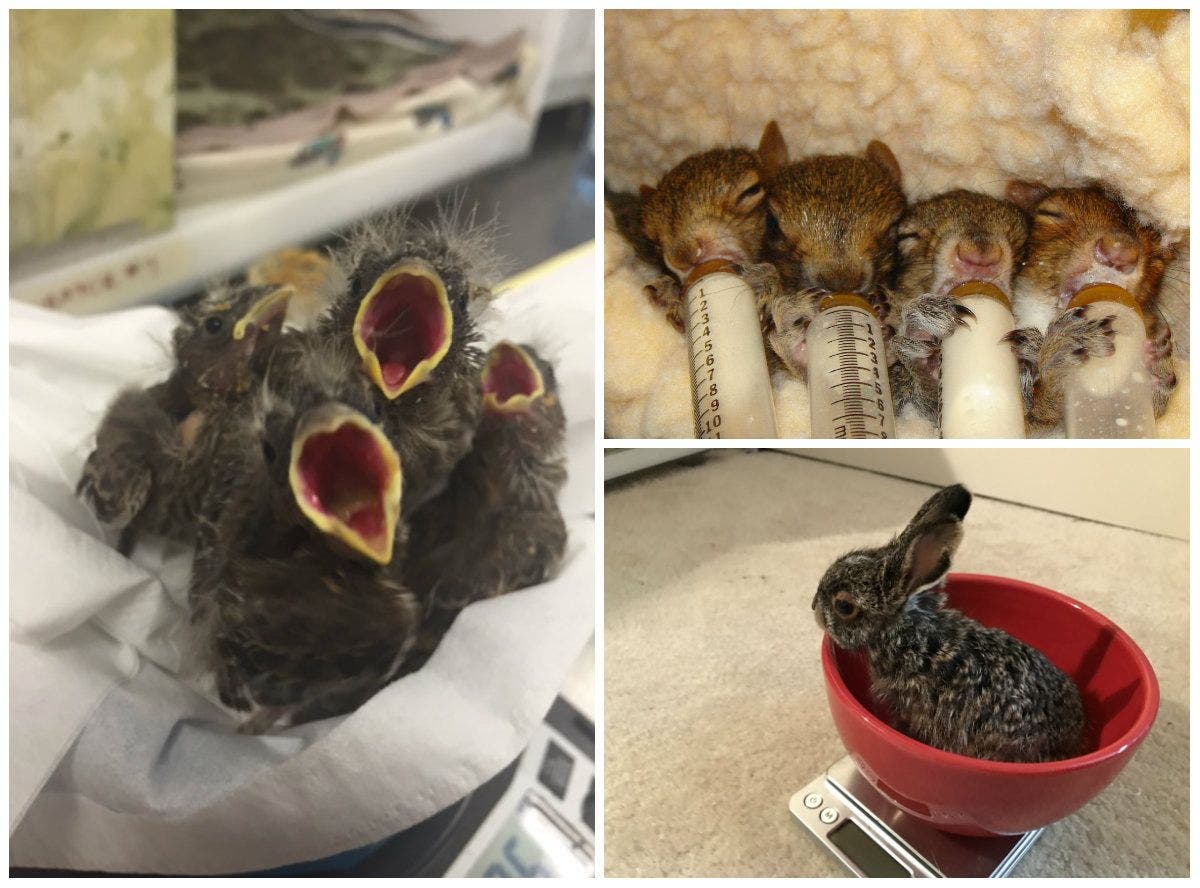
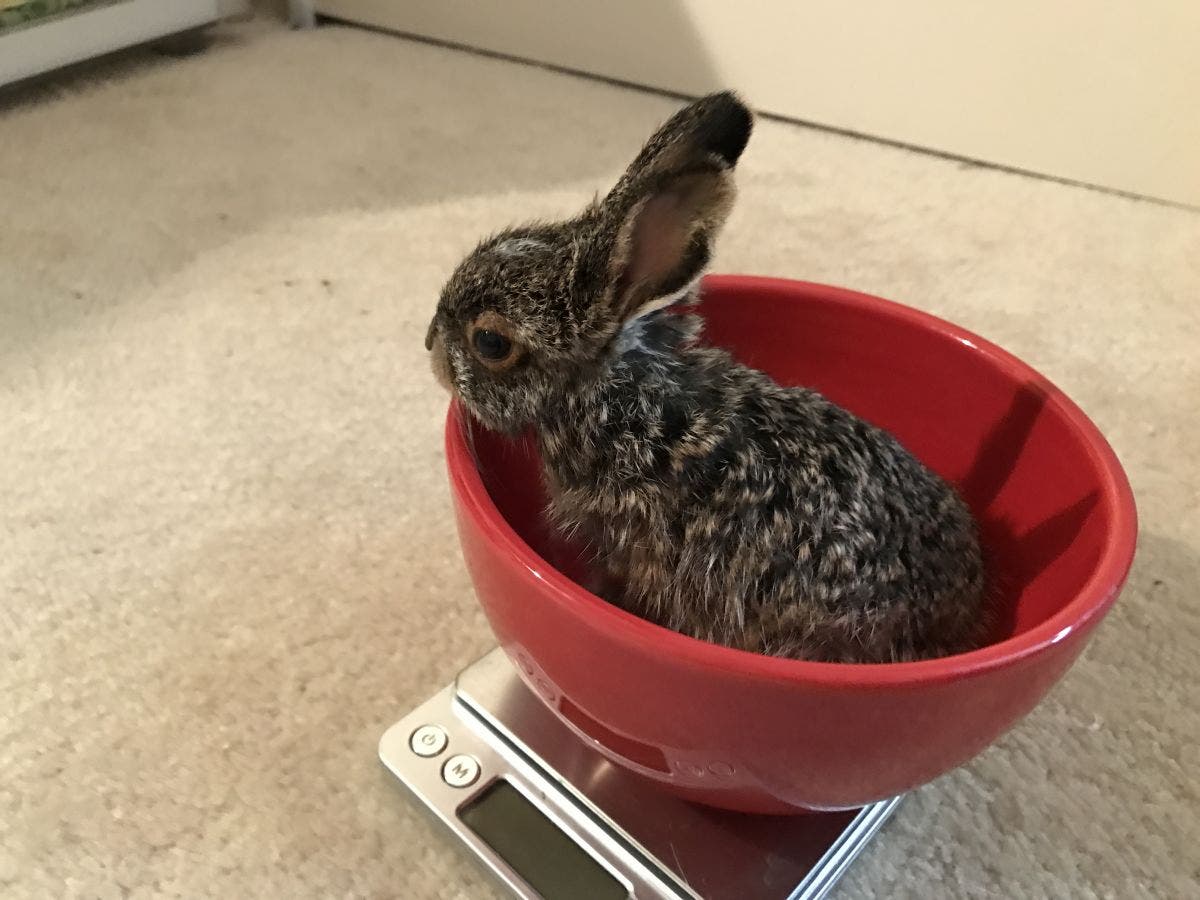


BAY AREA, CA – As Spring arrives in the Bay Area, so too come the baby birds and wildlife. And though they may be cute to look at, local animal advocates urge residents to take certain precautions.
"This is an especially vulnerable time for area wildlife, but it’s easy to help prevent unintentional harm to nesting animals and birds," said Laura Hawkins, Director of Peninsula Humane Society & SPCA’s Wildlife Care Center.
Along with the adorable attached photos of some baby wildlife patients, the organization offers the following suggestions during spring to minimize impact to local nesting wildlife:
Find out what's happening in San Mateofor free with the latest updates from Patch.
- Wait to trim or remove trees and bushes, or make sure to inspect for bird or squirrel nests before tree trimming or removal.
- Check for rabbit holes and/or bird nests before mowing the lawn.
- To keep animals from establishing nests or dens in basements or garages, it’s best to make homes and properties less attractive to wildlife. Do not leave pet food outside and secure trashcans with a tight fitting lid or use metal trashcans.
- Ensure crawl spaces and air vents are securely closed and cap chimneys.
- Oftentimes baby birds that are learning to fly or baby squirrels learning to scurry can be found on the ground. If the area or situation doesn’t seem dangerous, try to place the baby back in the nest or let the baby be. Mothers will continue to protect and feed babies on the ground below nests. But if the baby seems to be in danger or abandoned, please call or bring the baby to our Wildlife Care Center.
- Mothers protecting their babies could be more aggressive with dogs so it’s best to keep dogs on a leash to prevent them from investigating what could be a coyote or other animal den.
- If a mother does choose to have her babies in an area not wanted, please leave the animals alone until the mother feels they are old enough to move. The mother will probably move in a few weeks. Once the litter is born, locking the mother out or closing the entrance could cause harm to the babies.
For more information please call PHS/SPCA Wildlife Care Center at 650-340-7022 x314.
Attached photos of PHS/SPCA baby wildlife patients include songbirds, a jack rabbit and squirrels. Courtesy: Peninsula Humane Society & SPCA
Find out what's happening in San Mateofor free with the latest updates from Patch.
Get more local news delivered straight to your inbox. Sign up for free Patch newsletters and alerts.