Health & Fitness
Most Bay Area Residents Now Under Stay-At-Home Order
Marin County will enact the stay-at-home order at noon Tuesday.


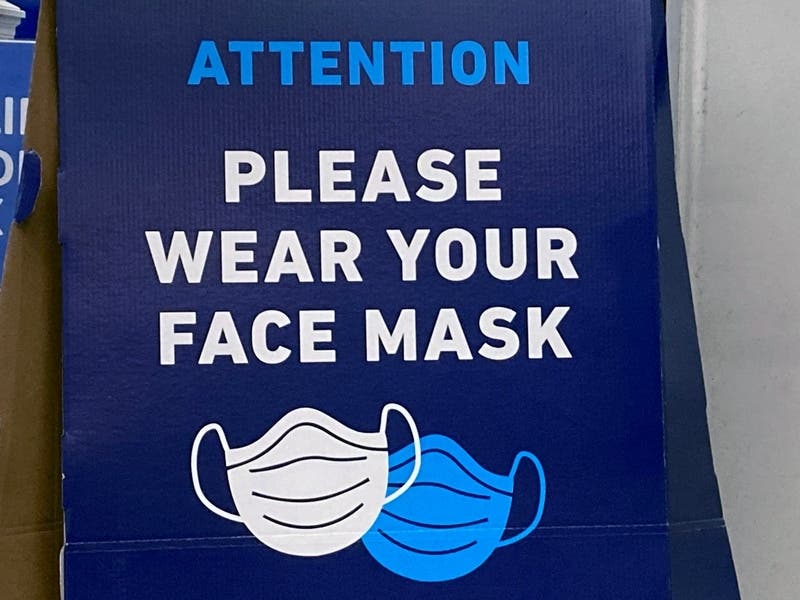
MARIN COUNTY, CA — A new stay-at-home order went into effect in most Bay Area counties late Sunday night and early Monday to try to limit the spread of the coronavirus.
The order went into effect at 10 p.m. Sunday in Contra Costa, Santa Clara and San Francisco counties and at 12:01 a.m. in the city of Berkeley and the rest of Alameda County.
Marin is the only Bay Area county to transition to the stay-at-home order from the red tier, so the county will enact the order at noon Tuesday.
Find out what's happening in San Rafaelfor free with the latest updates from Patch.
"Although Marin has fared better than some other counties in our region over the last few weeks, we know it is only a matter of time before rising case and hospitalization put pressure on our hospitals, too," said Dr. Matthew Willis, the county's public health officer. "We must act now and must act together to ensure all hospitals in the Bay Area have the capacity they need to care for our residents."
The order instructs Bay Area residents to stay at home as much as possible and limit mixing with other households, which can lead to the spread of COVID-19. All sectors other than retail and essential operations must be closed. Access to and travel for critical services and outdoor activities to preserve physical and mental health are allowed.
Find out what's happening in San Rafaelfor free with the latest updates from Patch.
Beginning at noon Tuesday, the following sectors in Marin County must close:
- Indoor and outdoor playgrounds
- Indoor recreational facilities
- Hair salons and barbershops
- Personal care services
- Museums, zoos, and aquariums
- Movie theaters
- Wineries
- Bars, breweries, and distilleries
- Family entertainment centers
- Cardrooms and satellite wagering
- Limited services
- Live audience sports
- Amusement parks
The following sectors will have additional modifications, in addition to 100 percent masking and physical distancing:
- Outdoor recreational facilities: Allow outdoor operation only, without any food, drink, or alcohol sales. Additionally, overnight stays at campgrounds will not be permitted.
- Retail: Allow indoor operation at 20 percent capacity with entrance metering and no eating or drinking in the stores. Additionally, special hours should be instituted for seniors and others with chronic conditions or compromised immune systems.
- Shopping centers: Allow indoor operation at 20 percent capacity with entrance metering and no eating or drinking in the stores. Additionally, special hours should be instituted for seniors and others with chronic conditions or compromised immune systems.
- Hotels, motels, short-term rentals, other lodging: Allow to open for critical infrastructure support only.
- Restaurants: Allow only for takeout, pick-up, or delivery.
- Offices: Allow remote use only, except for critical infrastructure sectors where remote working is not possible.
- Gyms & fitness studios: Indoor operations must close. This includes yoga and dance studios. This order includes any other industries that follow the state’s guidance for gyms & fitness studios, such as youth sports.
- Places of worship and political expression: Allow outdoor services only.
- Entertainment production including professional sports: Allow operation without live audiences. Additionally, testing protocol and "bubbles" are highly encouraged.
The following sectors are allowed to remain open when a remote option is not possible. Those that remain open must have appropriate infectious disease preventative measures in place, including 100 percent masking and physical distancing:
- Critical infrastructure
- Non-urgent medical and dental care
In addition, the stay-at-home order does not modify existing state or Marin guidance regarding TK-12 schools. Schools that are currently open to in-classroom instructions, or have plans to reopen to in-classroom instruction prior to Tuesday, are able to continue to provide in-person instruction on school sites.
All schools that have not yet reopened for in-person instruction are able to continue to serve small cohorts of students, following California Department of Public Health guidance. Schools wishing to reopen to in-person classroom instruction during the timeframe of the stay-at-home order must apply for a waiver via the Department of Public Health.
"We recognize that public health is about community wellbeing and that includes the economic health of the community," Willis said. "And as we take this step, we want to remind people to find ways to support their local businesses in a safe way, doing it from home as much as possible, but utilizing the online or curbside pick-up options that our local stores may offer."
The six jurisdictions on Friday announced the regional order. A statewide order announced Thursday will add such restrictions if a specified region in California had less than 15 percent availability in hospital intensive care units, a number already reached by the Southern California and San Joaquin Valley regions.
Health officials in the six Bay Area jurisdictions decided to align with the state order, even though the ICU availability in the Bay Area was not yet below that number and was at 24.1 percent as of Sunday.
The new restrictions will remain in effect through at least Jan. 4.
The state's stay-at-home order can be accessed at here.
Bay City News Service contributed to this report.
Get more local news delivered straight to your inbox. Sign up for free Patch newsletters and alerts.