A few weeks ago, Quiet and Safe San Rafael (QSSR) published the claim that 79 units per acre, potentially proposed for in Terra Linda, is more dense than Manhattan or Hong Kong. Alas, QSSR wildly misinterprets the concept, the data, and ignores the density already in our midst.
Density limits
A density limit in Marin restricts how many units can fit on the parcel as measured in acres. 2 units on a quarter-acre parcel works out to 8 units per acre (2 divided by 0.25 equals 8). This doesn't include the street, parks, commercial development, or anything else beyond the building's parcel.
I don't know how Hong Kong does their density limits, but Manhattan doesn't usually have per-unit density limits. Instead, New York limits how much floor area a building can have (a measure called floor-area ratio, or FAR, if you're wondering). Again, this is based on the parcel, not the supporting infrastructure or all the other buildings.
Find out what's happening in San Rafaelfor free with the latest updates from Patch.
The danger with measuring densities at a municipal level, as QSSR has done with Manhattan and Hong Kong, is that it does include all the rest of the city. It's like measuring the size of a house and calling it all a bedroom. It is disingenuous to compare that to the parcel-based densities used by San Rafael.
So while it's true that Manhattan averages 58 units per acre, less than Terra Linda's allowed 79, that includes Central Park, Times Square, the avenues and streets, the docks, ferry terminals, office buildings, plazas, schools, police stations, City Hall, the UN, the New York Stock Exchange, and all the other things that aren't housing on that island.
Find out what's happening in San Rafaelfor free with the latest updates from Patch.
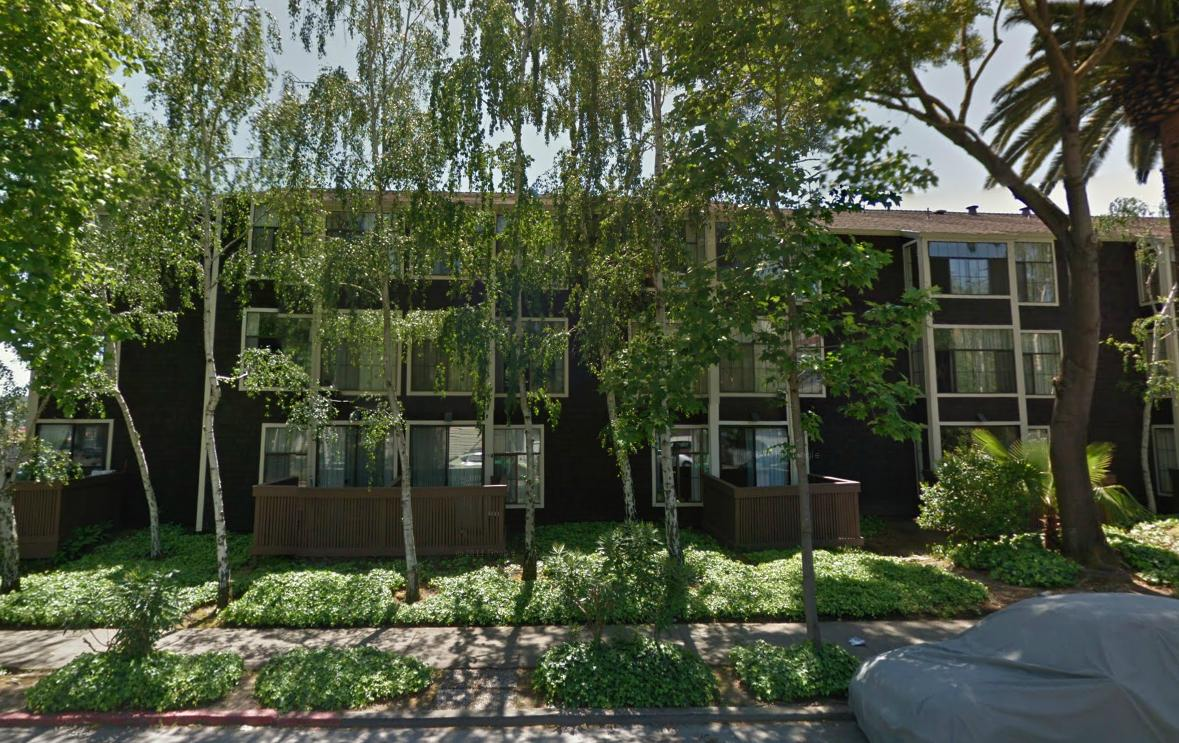
That's ridiculous. Using San Rafael's measuring system, a 20-story tower in Manhattan would average to 800 units per acre, far and away higher than Terra Linda's 79. There's a three-story senior home, San Rafael Commons, that hits 90 units per acre. Is it "more dense than Manhattan"? Not in any meaningful sense.
This exposes the danger of using density as a proxy for character, as it doesn't measure anything about that. Character comes from a building's form: how tall it is, how far back it's set from other buildings or the street, etc. A single-family home can fit a second unit in the back, which doubles the parcel's density. A three-story building could be filled with two-bedroom apartments and be low density, or be filled with studio apartments and be high density. It wouldn't change the building's visual impact.
QSSR doesn't seem to be deliberately misleading, but their source and interpretation call into question their understanding of how development works. QSSR seems to have misread a chart in a real estate study and quoted the mid-point average density of all PDAs in the Bay Area, from the rural Moss Beach to downtown San Francisco. Not only is that number not applicable here, it's not applicable anywhere in the Bay Area.
Instead, the Station Area Plan calls for densities "above 44 units per acre," above the current maximum density of 43 units per acre. The Transit Town Center PDA, which is proposed for the area, calls for accommodating between 20 and 75 units per acre, meaning that even under current zoning the area meets the density standard. And, the proposed height limit of 4-5 stories, paired with minimum unit sizes, required setbacks, etc, would impose a hard physical cap on the number of units possible.
No matter what QSSR misread or misinterpreted, it is clear they are trying to stir up fear of tower blocks along 101. There are legitimate things to worry about in Plan Bay Area and legitimate things to critique. It's truly unfortunate this activist group has chosen to focus on the ridiculous instead.