Business & Tech
San Rafael Business Helps Kids Express Their Feelings with Toys
Kimochis plush toys are designed to help children communicate their feelings.
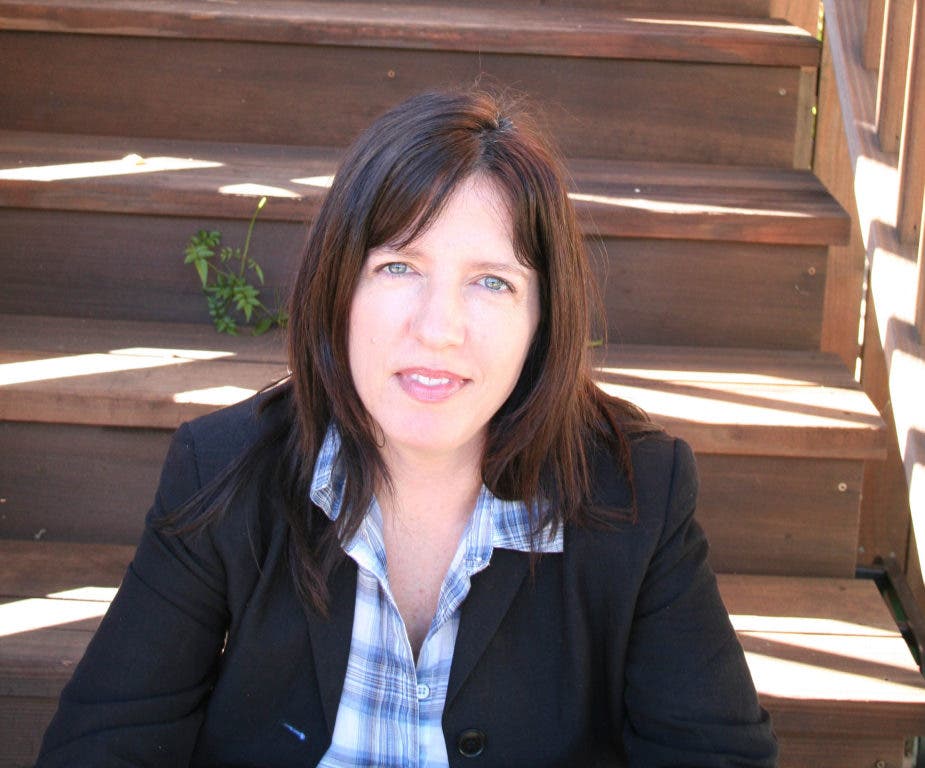
For Nina Rappaport Rowan, the founder and C.E.O. of in San Rafael, the challenge was not to make a toy. It was to make a child-friendly vessel for emotional expression.
Stuffed animals called Kimochis are what she came up with.
Each toy, designed by children's book illustrator Hanako Wakiyama, has three small plush “feelings” that can be used in role-playing with a child to discuss moods and actions. “Kimochis aren't just plush toys, they’re plush with a purpose,” Rowan says.
Find out what's happening in San Rafaelfor free with the latest updates from Patch.
Kimochis, derived from the Japanese word for “feeling,” have been embraced by a wide variety of therapeutic and educational communities. Rowan receives letters and emails from child therapists, marriage counselors, kids with Asperger’s and muscular dystrophy and more. She even got an email from someone that was using Kimochis to communicate with a member of their family who had 25 personalities.
“More than ever, we are in need of intentional, direct instruction for teaching kids to communicate,” says Ellen Pritchard Dodge, a communication specialist and education director of Plushy Feely Corp. “We are in a fast-paced world, and the faster you go, the less connected you are. We have to go back and teach children the basics of communication, because they will not come to it naturally.”
Find out what's happening in San Rafaelfor free with the latest updates from Patch.
To aid with the proper usage of Kimochis, each plushy comes with a book detailing how use the doll as a medium for emotional communication.
Adopting what D0dge terms a “field-feeling” approach, she and her staff surveyed the major feelings that children and adults need to understand. The curriculum they established is based on seven keys of communication that can help lead to a child becoming fluent emotionally, she says.
“Our curriculum takes a feeling-behavior communication link. That means you have a feeling, ‘I am mad, I want to hit’, but we replace the negative behaviors with communication tools, such as eye contact and lowering one’s voice,” Dodge explains.
While educators and professionals are eager to strengthen the emotional communication in classrooms or therapy sessions, Nina Rowan has larger dreams.
“We want to give [the kids] these toys while they’re sponges, while they’re learning. To us that’s global,” she says.
Currently, Kimochis are selling in seven different countries, and Rowan doesn’t want to stop there. “I think its going to be a planet changer,” she says.