Neighbor News
what is sleep apnea and Why You Need to Eliminate Sleep Apnea?
It is a common disorder that affects the quality of a person's sleep and impairs their ability to function during the day.

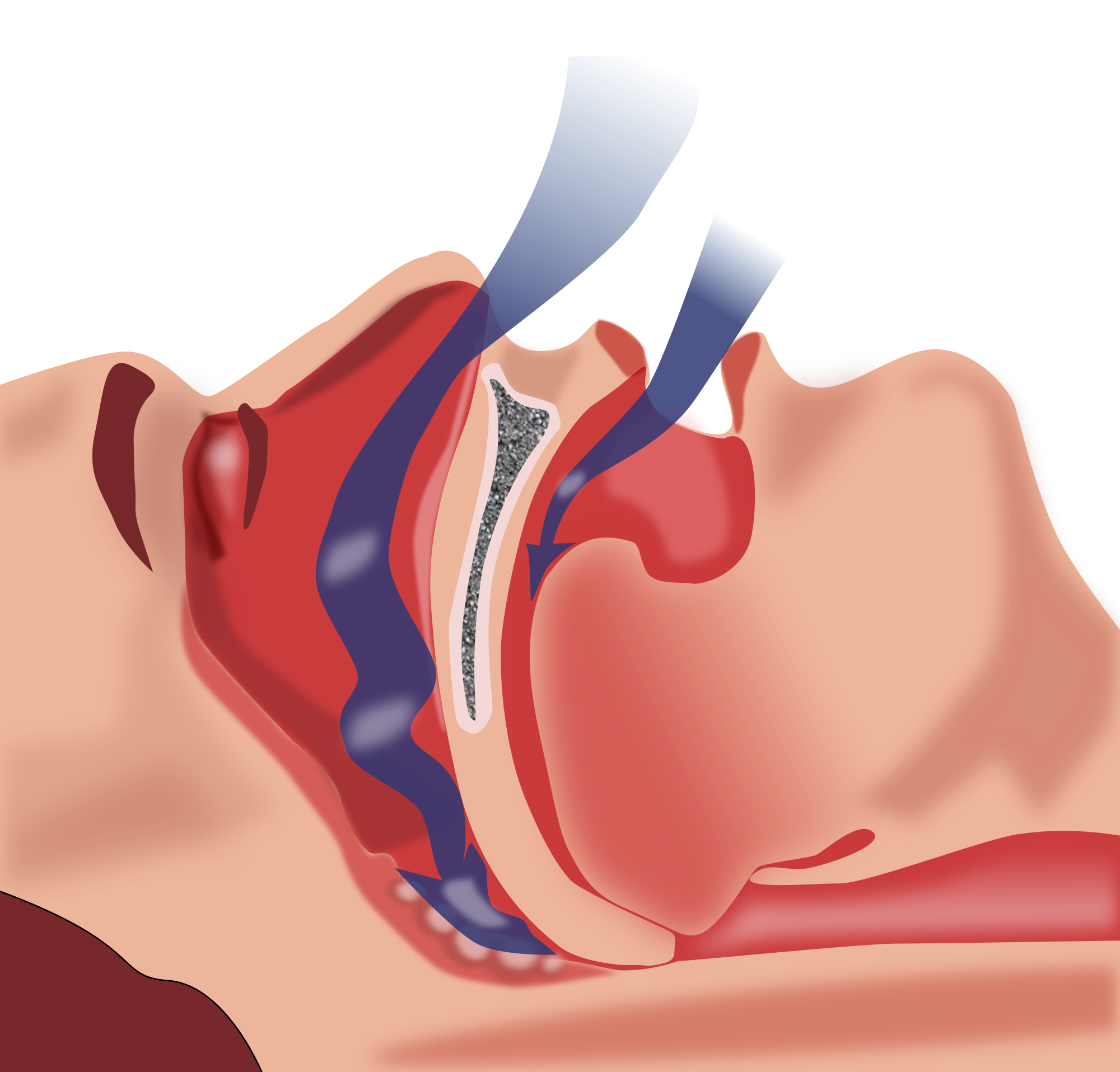
You might be surprised by the answer: sleep apnea.
Chances are you have heard of sleep apnea, and you might even know someone who suffers from it—possibly unknowingly. It is crucial that patients and their loved ones understand sleep apnea and take it seriously, as it not has potentially debilitating—and even life-threatening—effects.
What, then, exactly is sleep apnea, and what are its causes, symptoms, and risk factors?
Find out what's happening in South San Franciscofor free with the latest updates from Patch.
Sleep apnea, according to the National Institute of Neurological Disorders and Stroke, is a “common sleep disorder characterized by brief interruptions of breathing during the night.” Furthermore, as the American Lung Association notes, these interruptions of breathing can occur frequently throughout the night—from 5 to 30 times per hour, and possibly even more!
Simply put, human beings need to breathe to stay alive. Thus, it doesn’t take a stretch of imagination to conclude that multiple, possibly frequent episodes of interrupted breathing throughout the night could have potentially harmful, even devastating, effects on a person’s life.
Find out what's happening in South San Franciscofor free with the latest updates from Patch.
According to the Mayo Clinic, there are several causes of, and risk factors that can lead to, sleep apnea. First, it is important to note there are two distinct types of sleep apnea: obstructive sleep apnea, which occurs when the throat constricts airways, and central sleep apnea, which occurs as a result of the brain failing to instruct the body’s breathing mechanisms to work.
The American Lung Association lists risk factors associated with each type of the disorder. Some of them include:
Obstructive Sleep Apnea:
- Excess weight
- Use of alcohol, sedatives, or tranquilizers
- Smoking
- Being male
- Being older
- Central Sleep Apnea:
- Being male
- Being older
- Stroke or brain tumor
- Heart disease
Symptoms can be difficult to detect, since the sufferer is unconscious (asleep) when they occur. However, there are signs that can indicate a person has sleep apnea. Some of them include (courtesy of the American Academy of Dental Sleep Medicine):
- Loud, excessive snoring
- Irregular snoring patterns marked by long periods of silence (during which breathing stops)
- Waking up feeling tired
- Waking up with a sore throat or dry mouth
- Feeling extremely tired or lethargic during the day, and falling asleep during the day
- Impaired cognitive functioning (trouble remembering things or staying focused)
- Increased irritability, anxiety, sadness, depression
Tell-tale symptoms aside, sleep apnea is potentially harmful to a person’s health—even life-threatening. According to the Mayo Clinic, sleep apnea can lead to such conditions as heart problems, high blood pressure, and dangerous daytime fatigue. The U.S. Department of Health and Human Services cites new studies showing that sleep apnea is linked to such maladies as accelerated kidney disease progression in diabetic patients and surgical complications.
The good news is there are ways to treat sleep apnea. If you suspect you have it, ask your doctor or your dentist the next time you visit for teeth whitening dentist in indianapolis, cleaning, or cavity work.