Tustin, CA|Local Classified|Other|
Trichotillomania Treatment | Friendly Recovery

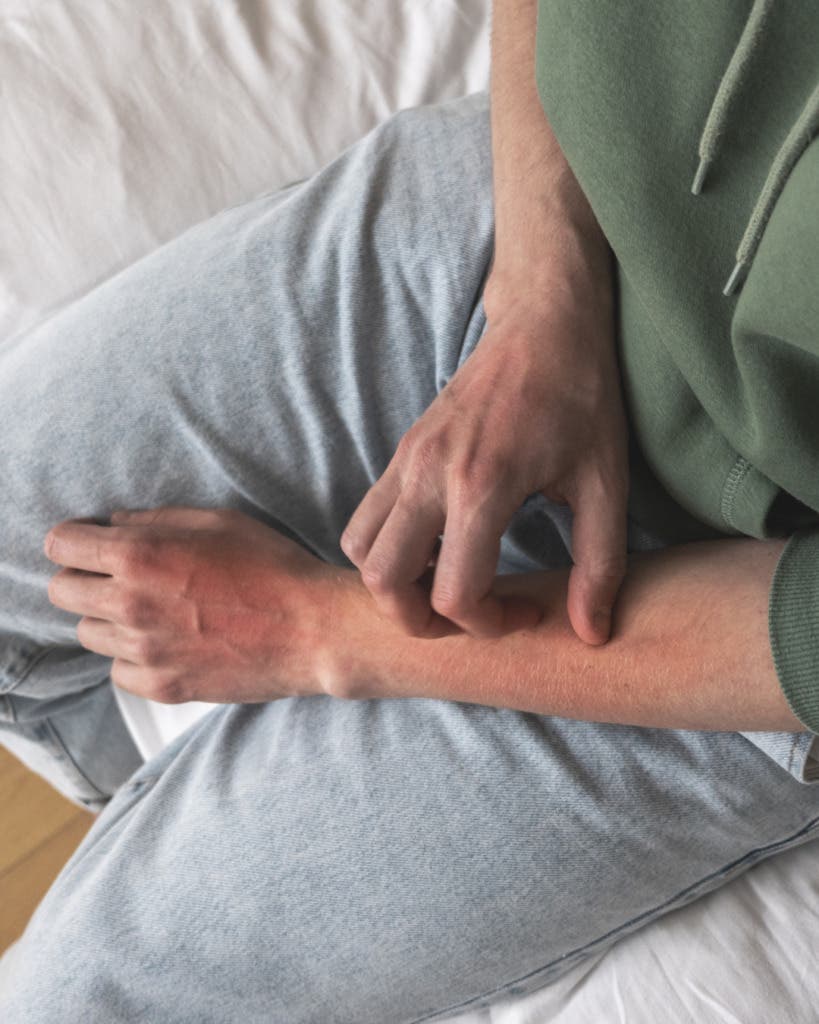
Many people twist or play with their hair from time to time, especially during stressful moments. But for individuals living with trichotillomania, hair pulling can become a deeply distressing cycle that affects emotional well-being, self-esteem, and daily life.
Trichotillomania, often called hair-pulling disorder, is a recognized mental health condition that involves repeated urges to pull out hair from areas such as the scalp, eyelashes, eyebrows, or other parts of the body. While the behavior may temporarily reduce stress or tension, it is often followed by guilt, frustration, or embarrassment.
For many individuals, the condition develops quietly and can go unnoticed for years. Some people hide thinning hair with hats or hairstyles, while others avoid social activities altogether because they fear judgment from others. Despite these challenges, recovery and symptom management are possible with the right support and treatment.
Mental health professionals now understand that trichotillomania is not simply a bad habit or lack of self-control. It is connected to emotional regulation, behavioral patterns, and neurological processes that reinforce repetitive behaviors. Stress, anxiety, boredom, and emotional overwhelm can all contribute to urges to pull hair.
There are generally two ways the disorder appears. Some individuals engage in automatic hair pulling, meaning they pull without realizing it while watching television, reading, working, or scrolling on their phone. Others experience focused pulling, where the behavior becomes intentional and tied to emotional discomfort or intrusive urges.
Because the condition can become isolating, many people delay seeking help. However, specialized treatment approaches have shown encouraging results for individuals struggling with body-focused repetitive behaviors.
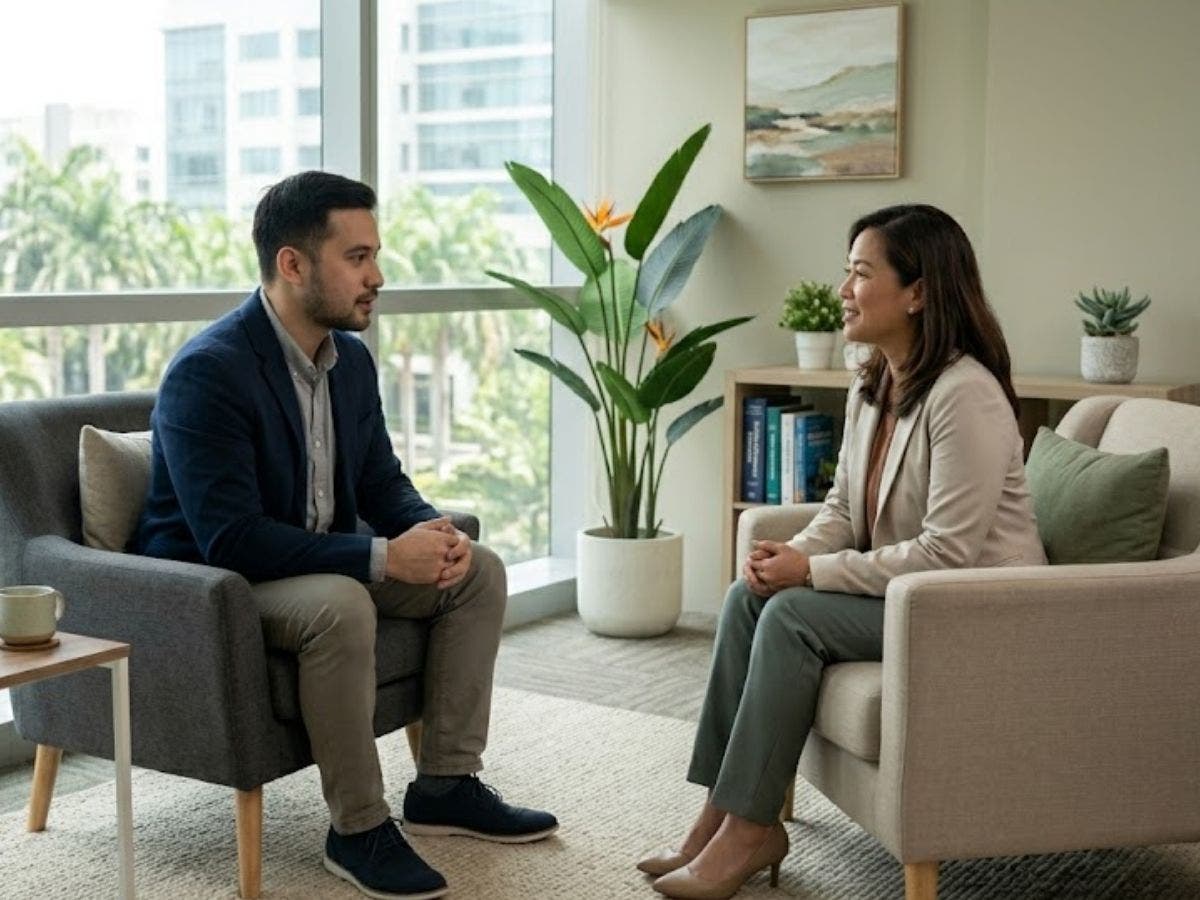
One of the most effective therapies used today is Habit Reversal Training, commonly referred to as HRT. This evidence-based approach helps individuals recognize triggers, increase awareness around pulling behaviors, and replace the action with healthier coping responses. Another treatment method, Cognitive Behavioral Therapy (CBT), focuses on identifying emotional triggers and changing thought patterns that reinforce compulsive behaviors.
In some cases, individuals may also benefit from Acceptance and Commitment Therapy (ACT), which helps people respond to uncomfortable emotions and urges without acting on them. Comprehensive treatment programs often combine multiple therapeutic approaches to create individualized support plans.
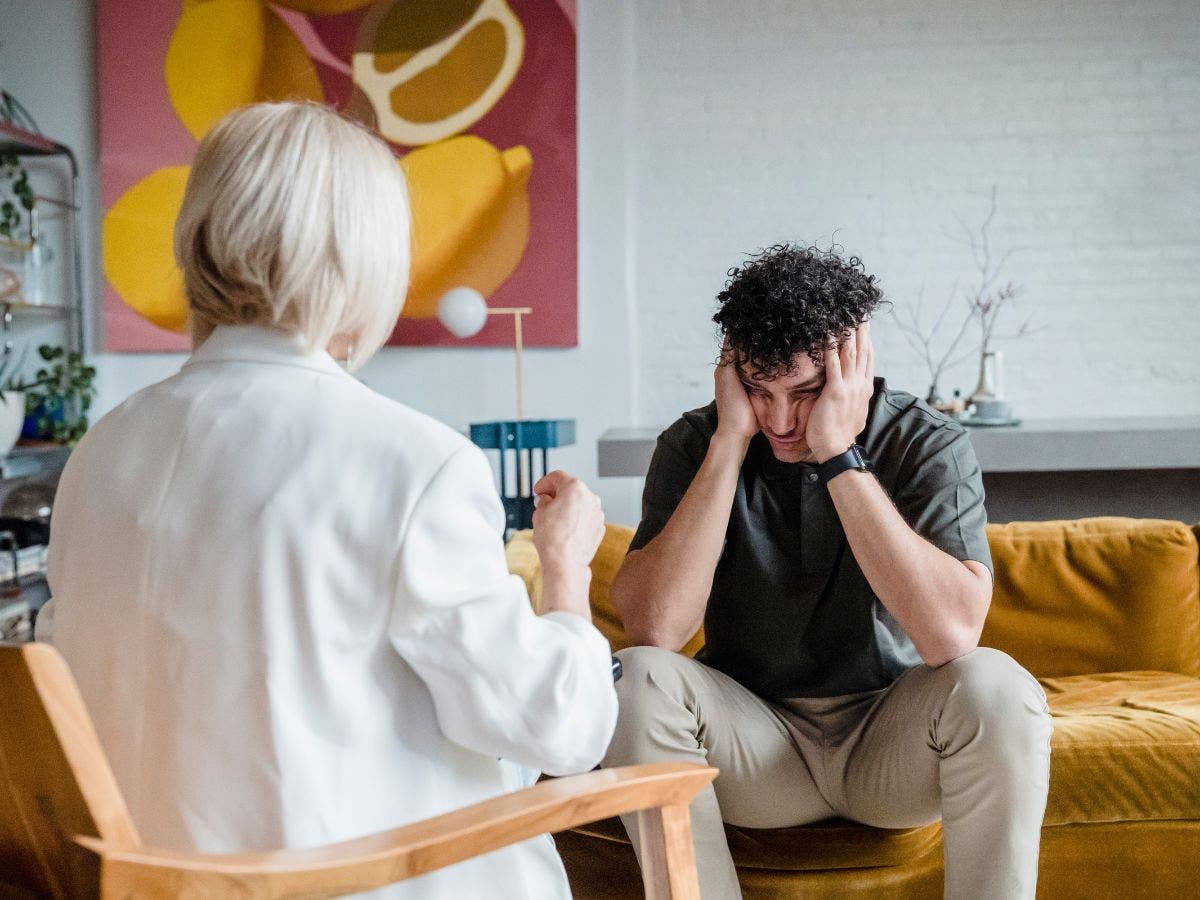
Seeking treatment is not about perfection. Recovery often involves building awareness, reducing behaviors gradually, and developing healthier emotional coping tools over time. Many individuals experience meaningful improvement when they receive compassionate, evidence-based care.
It is also important to understand that trichotillomania frequently exists alongside other mental health concerns such as anxiety disorders, depression, obsessive-compulsive tendencies, or trauma-related stress. Addressing these underlying challenges can significantly improve long-term recovery outcomes.
Families and loved ones also play an important role. Supportive environments that avoid shame or criticism can help individuals feel safer discussing their experiences and pursuing professional care.
Mental health conditions that involve repetitive behaviors are often misunderstood, but increased awareness is helping reduce stigma and encourage earlier intervention. No one should feel embarrassed about seeking support for a condition that impacts their emotional health and quality of life.
Friendly Recovery offers compassionate mental health treatment designed to help individuals better understand and manage conditions like trichotillomania through personalized therapy and outpatient support programs.
If you or someone you care about is struggling with hair-pulling behaviors, anxiety, or emotional distress, contact Friendly Recovery to learn more about available treatment options and supportive care programs.
Learn more by visiting the Friendly Recovery homepage:
https://friendlyrecovery.com/