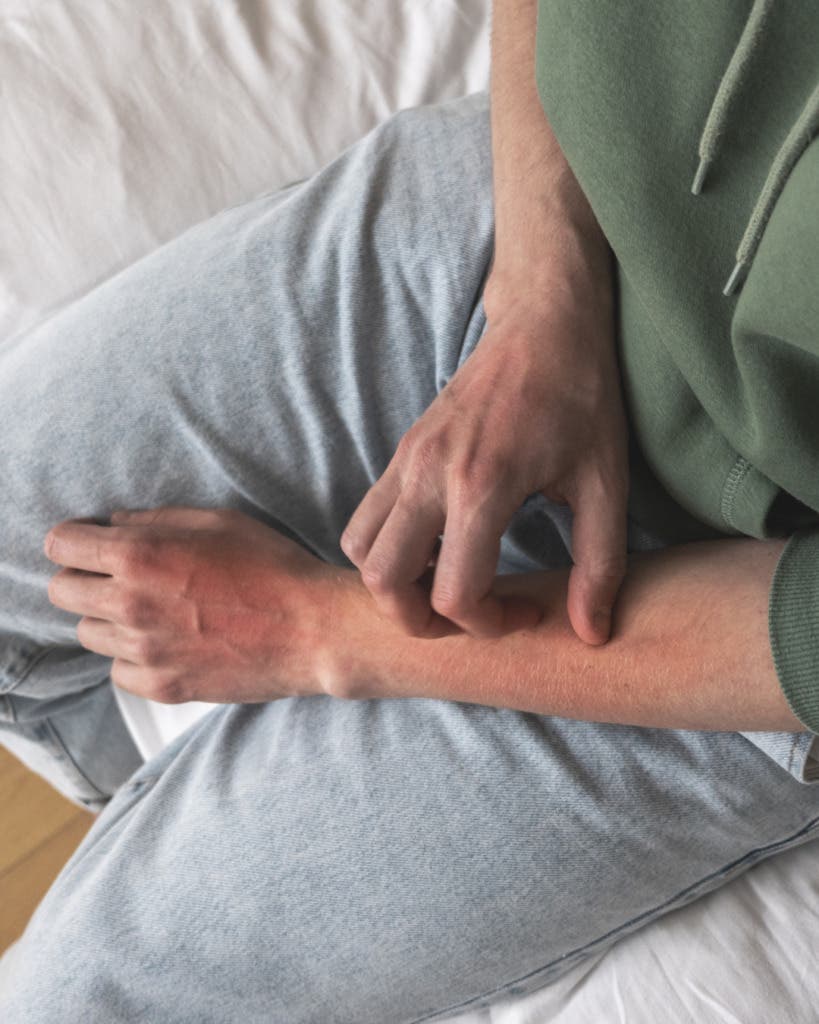
Many people occasionally pick at a scab, blemish, or area of dry skin without giving it much thought. For some individuals, however, skin picking becomes a repetitive behavior that feels difficult to control and begins affecting daily life, confidence, and emotional well-being.
This condition is known as excoriation disorder, sometimes referred to as skin picking disorder. Although it often remains hidden due to embarrassment or fear of judgment, mental health professionals recognize it as a legitimate condition that can benefit from specialized treatment and support.
One of the challenges associated with excoriation disorder is that many people do not realize they are dealing with a recognized mental health concern. They may believe they simply lack self-control or need to “try harder” to stop. In reality, the behavior is often connected to complex emotional, behavioral, and neurological factors.
Skin picking can occur in response to stress, anxiety, boredom, frustration, or even while concentrating on another activity. Some individuals become aware of the behavior only after noticing damage to their skin. Others intentionally pick in an attempt to remove perceived imperfections.
Over time, this cycle can become increasingly difficult to interrupt. Individuals may spend significant amounts of time focusing on their skin, checking mirrors, or attempting to conceal marks and scars. Social situations, work responsibilities, and personal relationships may also become affected.
The emotional impact can be substantial. Feelings of shame, self-criticism, and isolation are common. Many people avoid discussing the behavior because they worry others will not understand. Unfortunately, keeping the struggle hidden can delay access to effective treatment.
Fortunately, help is available.
Mental health professionals often use evidence-based therapies that focus on identifying triggers, building awareness, and developing healthier coping strategies. Cognitive Behavioral Therapy (CBT), Habit Reversal Training (HRT), and Acceptance and Commitment Therapy (ACT) are frequently incorporated into treatment plans.
These approaches help individuals understand the thoughts, emotions, and situations that contribute to skin picking while learning practical tools for reducing the behavior. Treatment may also address underlying concerns such as anxiety, depression, perfectionism, or stress management.
Recovery does not mean achieving perfection overnight. Instead, it involves developing greater awareness, strengthening coping skills, and creating sustainable changes that support overall wellness.
Families and loved ones can also play an important role. Education about the condition often helps reduce misunderstandings and creates a more supportive environment for recovery. Compassion and encouragement are generally more effective than criticism or pressure.
The growing awareness surrounding mental health has encouraged more people to seek assistance for conditions that were once rarely discussed. Excoriation disorder is among those conditions receiving greater recognition, allowing individuals to access support sooner and improve their quality of life.
No one should feel ashamed about seeking help for a challenge that affects their emotional and physical well-being. With appropriate treatment and professional guidance, many individuals learn how to manage symptoms effectively and regain confidence.
If you or someone you care about is struggling with compulsive skin picking, reaching out to a qualified mental health provider may be an important first step toward healing and recovery.
Contact Friendly Recovery Center to learn more about compassionate, evidence-based treatment options for excoriation disorder and related mental health concerns.
Visit the Friendly Recovery Center homepage for additional information about available mental health treatment programs and supportive services.