Business & Tech
March Showers Bring April Headaches for Farmers
A soggy month leaves Pajaro Valley farmers wading through damaged crops and the threat of crop disease.
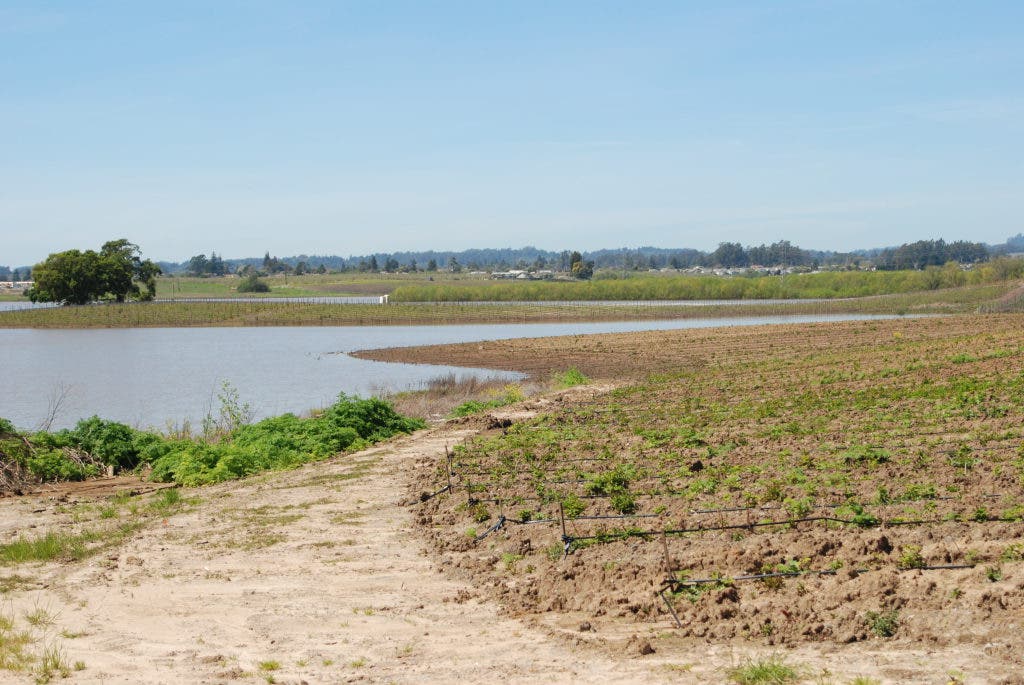
Pajaro Valley farmers are regrouping after a stormy March, and though it doesn’t appear to be a total loss, only time will reveal the full extent of crop damage.
An already-wet month culminated in a final week that saw 4 inches of rain fall on the county in one day alone and led for help in cleaning up after $20 million in damages.
Low-lying fields bore the brunt of the damage, said Santa Cruz Farm Bureau president Chris Enright, especially in the College Lake area north of downtown Watsonville, where the seasonal lake is swollen beyond its normal shores. Enright’s orchids were spared the wet feet they detest, thanks to his farm’s location on the foothills of the valley.
Find out what's happening in Watsonvillefor free with the latest updates from Patch.
With so much standing water, “It’s a bit of a mess to get back into the fields,” Enright said.
Noah Pinck of Santa Cruz Local Foods said some of the online food vendor’s suppliers weren’t able to harvest their root crops, such as carrots and beets this week.
Find out what's happening in Watsonvillefor free with the latest updates from Patch.
“Tractors just couldn’t get into the fields,” Pinck said. “It’s been really hard for mid-sized farmers.”
Lakeside Organic Gardens, south of College Lake on Holohan Road, had about 30 percent of its current crop damaged by the excess water, said spokeswoman Joanne Lynch. Leafy plants, including spinach, cilantro and parsley, were hit particularly hard.
“Any crop that is completely underwater is a complete loss,” Lynch said. “It will die.” She also added that the storms have put them “way behind” on planting.
Too much water can cause disease that starts in the roots, she added. And because their produce is organic, Lakeside doesn’t have the same options to fend off fungus and other blights to crops that conventional farmers do.
“They can spray products for mildew, and we can’t,” Lynch said.
Organic farmers are limited to remedies such as slow-release fertilizer to help the plants fend off disease.
“We apply our fertilizer and wait to see if it helps,” she said. “If it doesn’t, it’s too late to try something else.”
And though the recent spike in temperatures and pleasant weather may seem like a good thing, Pinck cautions that it may limit certain plants’ productivity. He says warm days can flip a switch in a plant’s internal machinery, tricking it into flowering and going to seed.
“After that, it’s pretty much done,” Pinck said.
Still, Enright has no doubt farmers in Pajaro Valley will pull through.
“Farmers are pretty self-reliant,” he said. “Now it’s just a matter of controlling the disease.”