Politics & Government
Berlin Council OKs New Budget, Tax Increase After Voters Say 'No' Twice
The Berlin Town Council approved a revised budget last week following two failed referendums and debate over school funding levels.


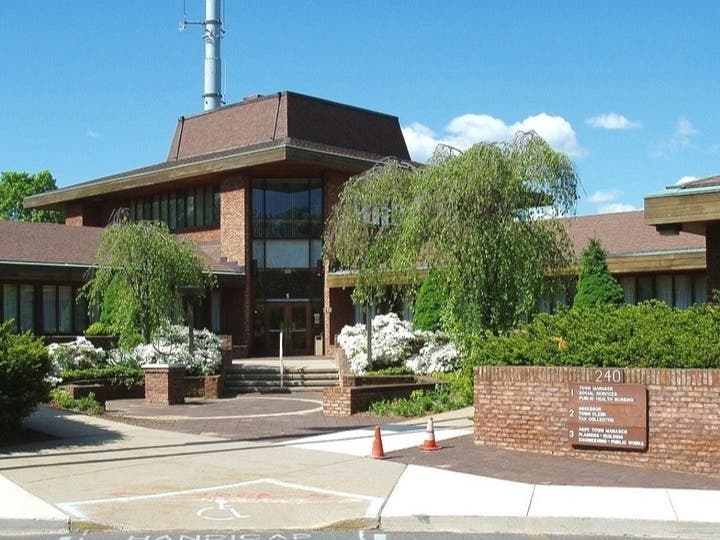
BERLIN, CT — Berlin's town charter allows voters to decide municipal/school spending plans at the polls.
But they only get two shots.
With voters saying "no" at the polls twice this spring, the Berlin Town Council last week fulfilled its charter-mandated duty and voted to adopt town/school spending packages for the next fiscal year, which starts July 1.
Find out what's happening in Berlinfor free with the latest updates from Patch.
The council voted June 2 to adopt revised municipal and education budgets following two failed budget referendums, approving a spending plan that includes additional funding for both the Berlin Board of Education and general government operations.
The council approved the budgets recommended by the Berlin Board of Finance in a 4-2 vote, with Councilors Kate Atkinson and Mark Pruzin opposed.
Find out what's happening in Berlinfor free with the latest updates from Patch.
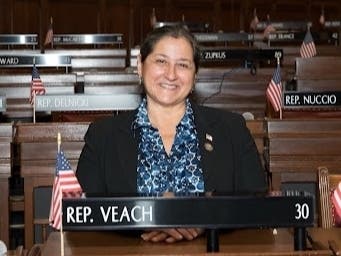
Councilors Sandra Coppola, Charles Paonessa and Donna Veach joined Mayor Mark Kaczynski in supporting the measure.
The approved budgets include $56.58 million for the Berlin Board of Education, $54.03 million for general government and $7.85 million for Berlin Water Control.
Berlin Town Manager Ryan Curley said both the general government and school budgets were rejected by voters during a second budget referendum held May 26.
Following those results, the finance board increased the education budget by $100,000 and the general government budget by $250,000.
Berlin Finance Director Kevin Delaney said the town has experienced significant increases in health insurance claims over the past year, driven by a concentration of catastrophic claims ranging from $50,000 to $150,000.
He said health insurance costs are also projected to rise by more than 10% in the coming year.
According to Delaney, the finance board added $250,000 in one-time state funding to a transfer account that can be used to support the town's healthcare fund for both municipal and school employees.
The board also allocated additional state aid, including Supplemental Education Cost Sharing funding, the full Pequot grant and the Municipal Revenue Sharing Grant, allowing for an increase in school funding.
The revised budget results in a mill rate of 31.15, representing a half-mill increase over the current fiscal year and a 1.63% increase overall.
Delaney said the change equates to an average annual property tax increase of approximately $121 for homeowners.
Kaczynski said he believed the Berlin Board of Finance had addressed concerns raised during the budget process.
Atkinson disagreed, arguing that low voter turnout in budget referendums may reflect a belief among residents that their voices are not being heard.
She also criticized what she described as negativity toward the Berlin Board of Education and expressed concern that a high school math teaching position could be eliminated.
Pruzin said he was disappointed the finance board did not provide an additional $70,000 requested by education officials, arguing the amount would have had only a minimal impact on the tax rate.
Kaczynski responded that if more residents were dissatisfied with the education budget, greater numbers would have participated in public hearings and referendums.
He noted that the Berlin Board of Education budget accounts for about 65% of the town's overall budget and said the school district posts a surplus each year.
Paonessa said the Berlin Board of Finance responded appropriately to voter feedback and struck a reasonable balance in the revised proposal.
Veach said she believed the budget was fair and balanced and expressed confidence the town could help the schools if additional funding needs arise during the year.
Coppola also described the proposal as fair, noting that budget decisions rarely satisfy all parties.
During the public comment period, resident Jan Zagorski expressed disappointment with voter turnout during the budget referendums and suggested exploring ways to improve public engagement, including yard signs or a phone alert system.
At the May 26 vote, turnout was slightly more than 6 percent of eligible voters. At the first referendum in late April, turnout was just above 9 percent.
Zagorski also criticized comments made during finance board discussions, saying she was concerned by what she viewed as a lack of understanding of educational staffing issues and frustration that some board members appeared unwilling to reconsider their positions.
She said she trusts educators to make decisions in the best interests of students and questioned the Berlin Board of Finance's approach to school budget oversight.
The council's vote concludes the town's budget approval process following two unsuccessful referendums and sets the spending plan for the upcoming fiscal year.
Get more local news delivered straight to your inbox. Sign up for free Patch newsletters and alerts.