Arts & Entertainment
Best-Selling Bethel Author Writes Book About James Madison
Historian Kevin Gutzman's latest book examines Madison and his role in U.S. history

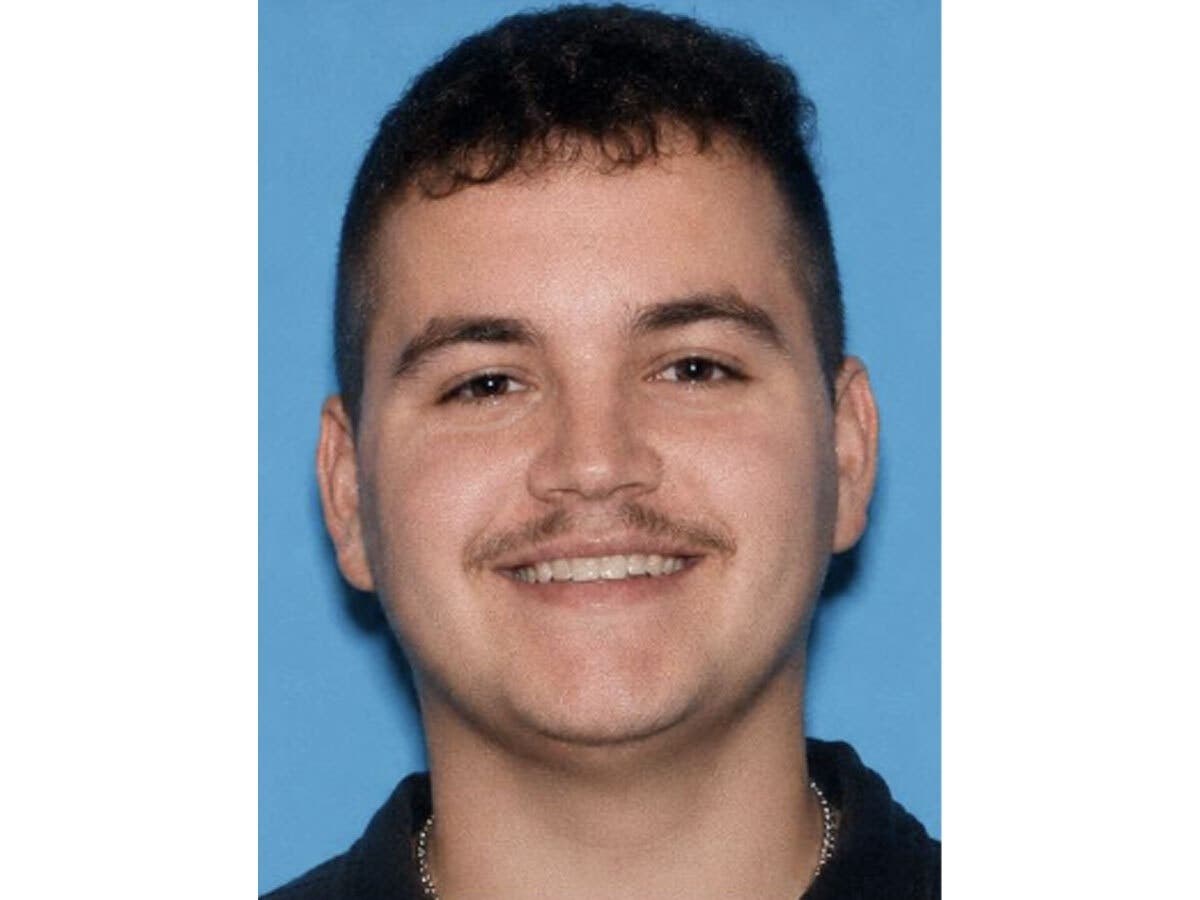
As Bethel resident and New York Times best-selling author, Dr. Kevin Gutzman, studied the history of the United States Constitution, one name kept coming up again and again – James Madison.
“Madison was central to the inauguration of the American experiment in writing constitutions. Wherever one turns in the constitutional history of the USA, there's Madison,” Gutzman said. “ I wrote about him as part of the composition of my first book, 'Virginia's American Revolution,' and he had key parts in my two best-selling books on constitutional history, 'The Politically Incorrect Guide to the Constitution' and 'Who Killed the Constitution?'”
Find out what's happening in Bethelfor free with the latest updates from Patch.
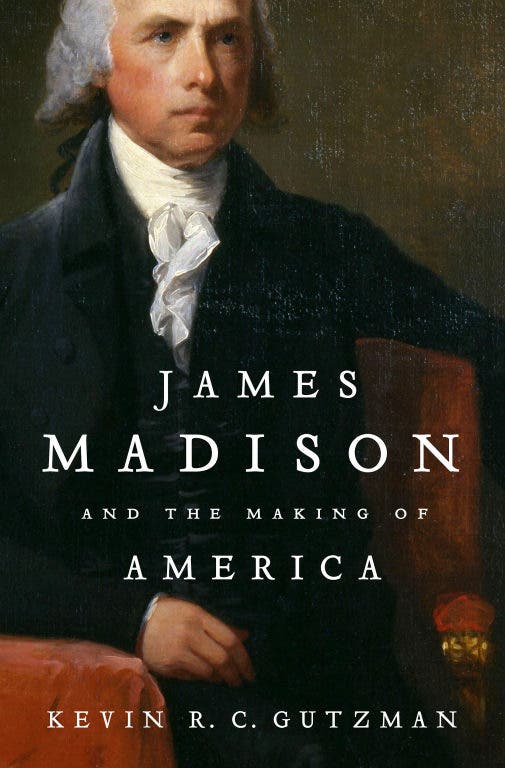
Gutzman, who has a Ph. D in American History from the University of Virginia and who is a professor of history at Western Connecticut state University, said that as he studied Madison he found that the historical evidence conflicted with what historians generally said about him. As a result, Gutzman decided to write a book about Madison. That book “James Madison and the Making of America” was released by St. Martin's Press in February. Gutzman's chronicle of the nation's fourth president has garnered much praise. It was nominated for a Pulitzer Prize upon its release and was the main selection of The History Book Club – one of the largest history book clubs in the country.
On the jacket cover, Daniel Walker Howe – an Oxford University historian and the Pulitzer Prize winning author of “What Hath God Wrought: The Transformation of America, 1815–1848” – praises the work.
Find out what's happening in Bethelfor free with the latest updates from Patch.
“The serious reader who wants a detailed account of James Madison’s long public career, drawn from primary sources, will find Kevin Gutzman’s book deeply rewarding,” raves Howe.
That's only the latest in a long line of accolades for Gutzman. In addition to writing several best-selling books, Gutzman has made multiple appearances as a history expert on national cable news shows including “Lou Dobbs Tonight” on CNN and “The Glenn Beck Program” on Fox News. He's also appeared on C-SPAN's Book TV. Gutzman said he never gets intimated by TV appearances.
“TV interviews are just like any other conversation, and televised addresses are just like lecturing at WestConn,” he said.
Gutzman's love affair with history began at a young age.
“The first history book I read was a biography of Juan Ponce de Leon that I found in my school library when I was in the fourth grade,” he recalled. “What really got me interested in the general subject, however, was playing military board games with my father beginning in the eighth grade. Dad was an Army officer, and he explained to me that Frederick the Great of Prussia had used such games as an aid in training Prussian officers. “The Battle of Nations” steered my attention toward Napoleonic France, and I wrote a senior thesis on that subject in college.”
Gutzman and his wife and children moved to Bethel in 1999, after he was hired by the City University of New York. He soon started teaching at WestConn and has lived in Bethel ever since.
Gutzman is currently working on his next book “At Swords' Point: Thomas Jefferson, Alexander Hamilton, and the Rivalry that Shaped America,” which is scheduled to be released by St. Martin's Press in 2014.
A common thread in Gutzman's writing is the ways in which the Constitution is no longer being followed by modern politicians on both sides of the political arena.
“James Madison's position was that the Constitution meant what the people were told it would mean, when they were considering whether to ratify it,” Gutzman said. “For him, popular consent meant that a legal enactment had to have the effect to which the people had consented. If you take that as a starting point, you'll find most of what Congress does unconstitutional: so far as Madison was concerned, Congress had only a few enumerated powers. Those powers didn't include power to intervene in primary and secondary education, via No Child Left Behind, health insurance, through the Affordable Care Act, or the market for agricultural produce in the form of farm subsidies.”
Gutzman added, “Madison repeatedly made this point at great length, even going so far as – on his last day as president – to veto a law he had proposed, because the Constitution had not yet been amended to give Congress power to pass it.”
For more information about Kevin Gutzman and his writings visit: www.kevingutzman.com