
On this day in 1777, British troops under the command of General William Tryon attack the town of Danbury, Connecticut, and begin destroying everything in sight. Facing little, if any, opposition from Patriot forces, the British went on a rampage, setting fire to homes, farmhouse, storehouses and more than 1,500 tents.
The British destruction continued for nearly a week before word of it reached Continental Army leaders, including
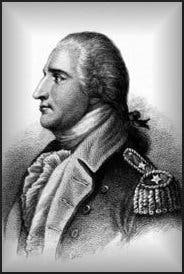 General Benedict Arnold, who was stationed in nearby New Haven. Along with
 General David Wooster,
  and General Gold Silliman,
Arnold led a contingent of more than 500 American troops in a surprise attack on the British forces as they began withdrawing from Danbury.
Find out what's happening in Danburyfor free with the latest updates from Patch.
Although they prevented the complete destruction of Danbury, the outnumbered American troops were unable to stop the British retreat. The British continued marching through Ridgefield and Compo Hill, Connecticut, en route to their ships anchored at Long Island Sound.
 General Wooster was hit by a musket ball during the action; he died from his injuries May 2. General Arnold survived and notoriously became a traitor to his nation, plotting to turn over West Point and with it the Hudson River to the British in 1780.
Find out what's happening in Danburyfor free with the latest updates from Patch.
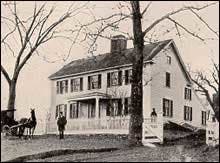 General Gold Silliman also survived, but two years later was kidnapped from his home and imprisoned by a gang of local Loyalists.
 Silliman’s wife, Mary Silliman, kept a detailed diary of her experiences during the American Revolution. Accounts of her life in The Way of Duty by Richard and Joy Day Buel and the subsequent documentary, Mary Silliman’s War, reveal the internecine nature of the revolution in Connecticut–General Gold Silliman’s own Loyalist neighbors, not British Redcoats or foreign mercenaries, kidnapped him. Mary Silliman’s diary also demonstrates the ways in which the war affected all colonists, including non-combatants, pregnant mothers and farm wives like Mary. On her own, Mary Silliman managed to run her family farm, flee attack from the British army and negotiate her husband’s release from his Loyalist captors. She also nursed her own midwife and neighbor, after the woman was raped by Redcoats for refusing to relinquish her house to their control.
 Tryon's troops specifically targeted the home of Mary Clap Wooster. She was the widow of Major General David Wooster, who had been killed.