Schools
WCSU Offers Third Annual Series of Climate Change Talks
This is the third annual series of free talks, and the public is invited.


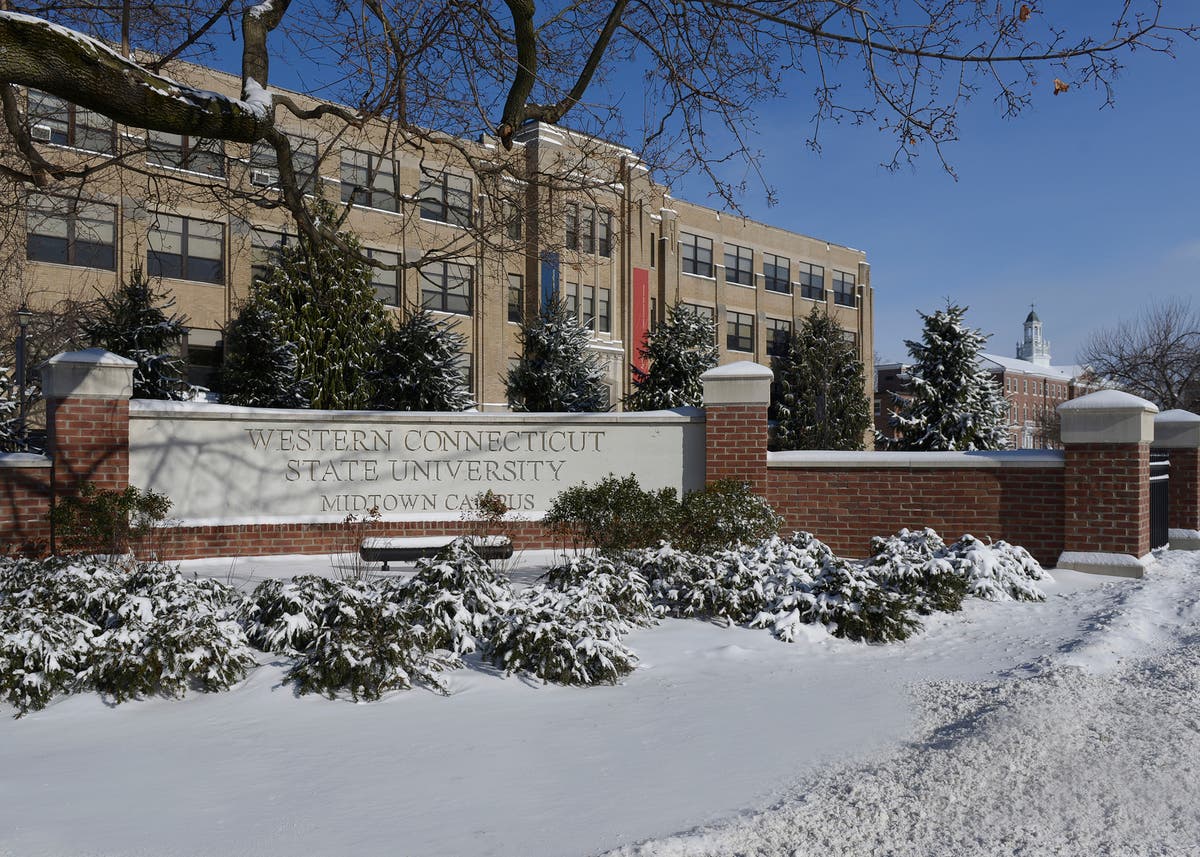
DANBURY, CONN. — Western Connecticut State University professors of Biological and Environmental Sciences Dr. Mitch Wagener and Dr. Hannah Reynolds, along with Professor ofSociology Dr. Carina Bandhauer, accompanied by select students, will present a series of lectures on climate change and human civilization at 7 p.m. in Room 125 of the Science Building on the university’s Midtown campus, 181 White St. in Danbury. This is the third annual series of free talks, and the public is invited.
This series includes:
Feb. 7: “Climate and Cyclones” with Wagener and Meteorology major Erica Bower.
The study of climate change is science at the planetary scale, the study of the Earth as a single system. The talk will focus on the current state of the climate and how we study it. Also included will be extra detail on hurricanes — why they are so destructive and how they will be more dangerous in a warmer world.
Feb. 14: “Drought and Wildfire” with Wagener and Biology major Rebecca Norton.
In a warming world, many dry areas will become drier, lose the ability to support agriculture and force inhabitants from their homes. Other dry areas will become more vulnerable to wildfire.
Feb. 21: “Soil Microbes and Climate” with Reynolds and Biology major Jasmine Gray.
Soil is not only the substrate for plant growth, it is habitat for many microbes that affect human health. The changing temperatures and precipitation of a warming world can change the distributions of important soil inhabitants.
Feb. 28: “Social Impacts and Apathy” with Bandhauer and Social Sciences major Kaylah Leonard.
The comb-over of climate change. This talk will discuss a research study on climate change ideology, political affiliation and undergraduate education.
March 7: “Reducing Emissions” with Wagener and Biochemistry major Layra Veles.
If left unchecked, emissions of greenhouse gases will leave our children and grandchildren with more severe weather, higher seas, and harsher living conditions. Their world will be difficult, with an environment worse than any that we have known. We can — right now — influence how harsh their world will be.
Wagener, chair of the Jane Goodall Center for Excellence in Environmental Studies at WestConn, said, “We continue to offer these classes because climate change is real, it is here, and it is deadly. Unless you die tomorrow, climate change will hurt you in ways you don’t expect and will do so sooner than you think. It will hurt your livelihood. It will hurt your health. It will hurt your bank account. It will hurt your retirement savings. In time it may change where you live, what you eat, how you make your living and where your kids go to school. It will be devastating to your great-grandchildren.” He added, “Fighting climate change is an act of love.”
Photo courtesy of WCSU