Neighbor News
Tweed-New Haven Airport: Your flight is best left to Professionals.
HVN opponents bemoan, "wrong runway, wrong airplane". A quick dive into facts proves, "wrong protesters with the wrong information".

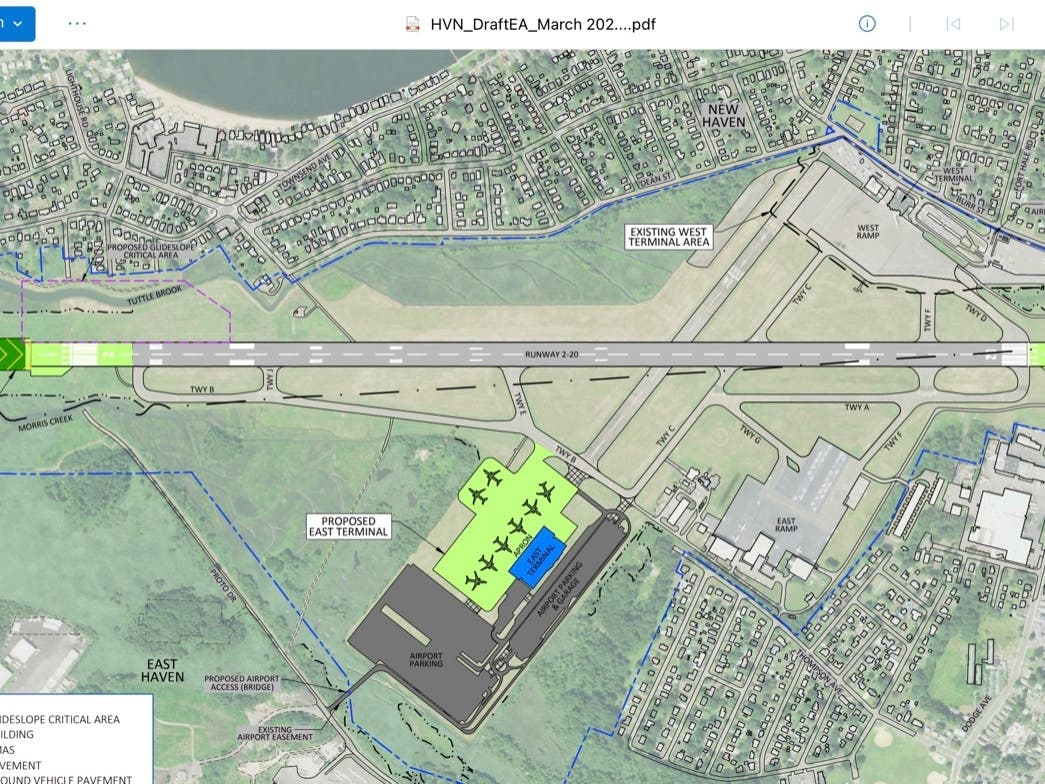
The Wrong Airplane for the Wrong Runway?
This article explains the aspects of a takeoff that passengers do not “see” in the daily operation of an airliner. As an FAA Certificated Flight and Ground Instructor, I am properly credentialed to explain this issue to you. Further, as a Captain of an airliner, it is my responsibility to not only know and understand this subject, but to explain this subject to those interested and as warranted.
As the discourse on HVN continues and the misinformation gains momentum, the discussion on airport runways and aircraft performance is certainly warranted. What’s further warranted is an explanation from a qualified person. There is no qualified anti-airport protest group or member to discuss this matter. While this article is is not news per se, neither is it an opinion. It is verifiable fact.
As a means for checks and balances and acting as true professional, I offer myself to any and all retorts and rebuttals from any of the esteemed Airport Opposition groups on this (and other) subjects. 😰 ⬅️ That’s me perspiring like a rapidly rising creek!
Find out what's happening in East Havenfor free with the latest updates from Patch.
Fact checkers beware!
Attention Shoreline Passengers: Do you know who is at the controls of your airplane? I hope it’s not anyone from Save Our Shoreline Connecticut. If their aeronautical knowledge is any indication of their other proclaimed so-called, talents, I’d ask for a new Environmental Conservation Organization.
Find out what's happening in East Havenfor free with the latest updates from Patch.

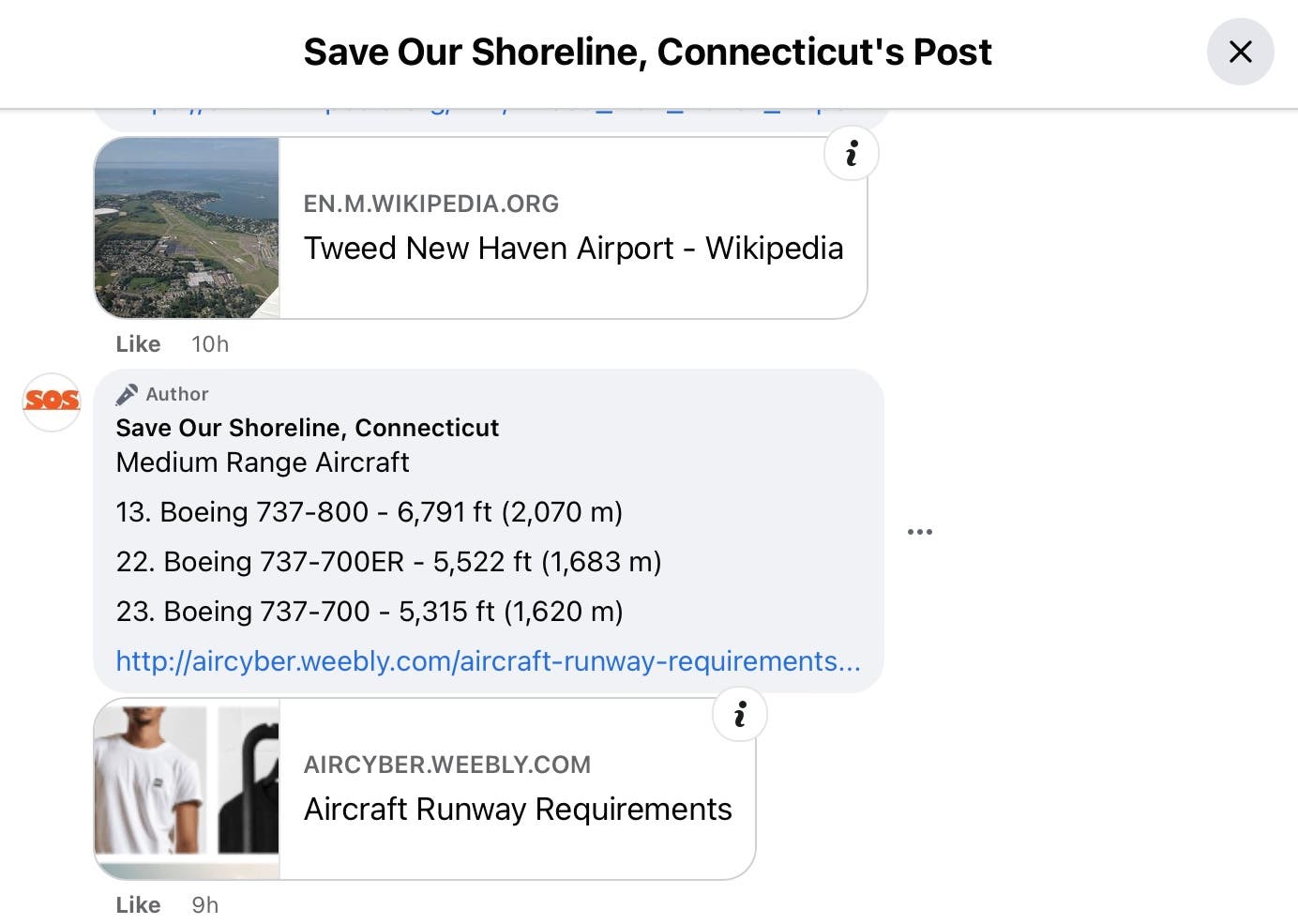
What’s holding you back?
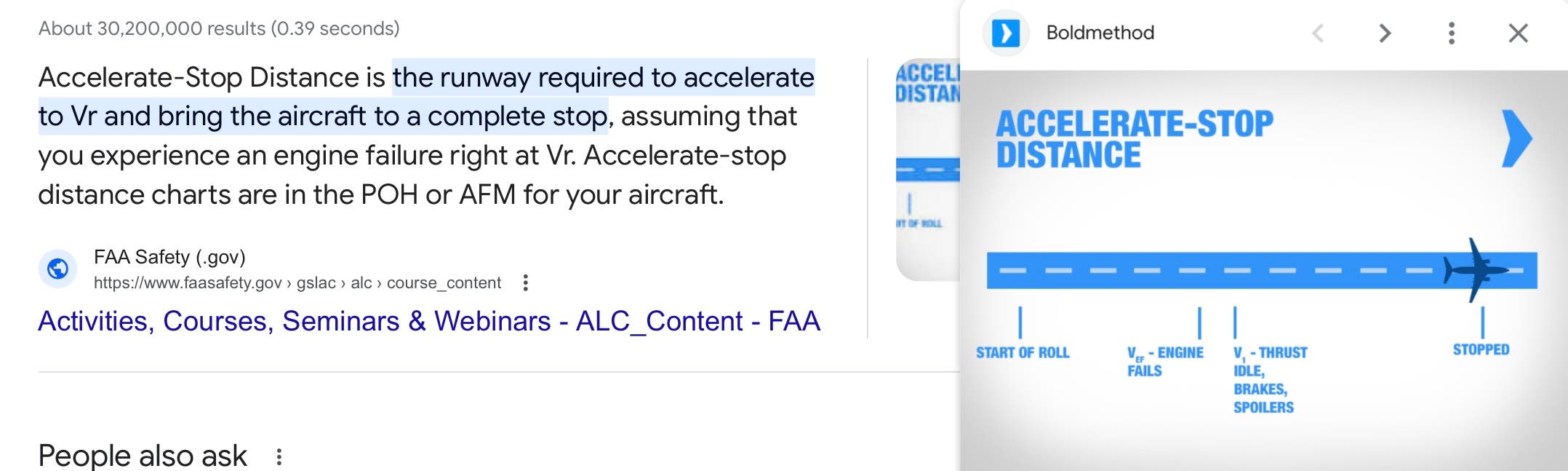
In the case of HVN, the primary limitation in planning takeoffs is runway length as it relates to what Aircraft Engineers, Pilots and Dispatchers call “Accelerate-Stop” distance. This is the distance an airplane would need to accelerate to takeoff speed, then have an engine failure and then come to a complete stop on the available runway. This process then results in what is called a “balanced field”. A balanced field occurs when the total distance to accelerate (to V1/Vr ; takeoff decision/rotation speed) and then stop is within the available runway length. Compliance with this “Balanced Field” is regulatory and happens every single time out of Tweed.
Aircraft weight limitations are theoretical performance issues and not actual performance. Said another way, aircraft are restricted in a variety of ways, to include operating weights, as a means to protect against abnormal situations (like engine failures) that might occur . This is how we stay safe. We are being conservative and safe by using “numbers” and that reflect speculative conditions such as IN THE EVENT OF ENGINE FAILURE. Bottom line?
Yes, in airline Transport Category Airplanes, we plan for and are required to operate at weights that would allow for an engine failure and permit proper aircraft performance. (It’s in the regulations). As such, sometimes we have to limit the allowable takeoff weight of the airplane to meet these numbers. Note:
✈️ EVERY TAKEOFF IS PLANNED WITH THE EXPECTATION THAT AN ENGINE WILL FAIL.
✈️ IN THE CASE OF FAILURE, THE AIRPLANE NEEDS TO BE ABLE TO STOP ON THE AVAILABLE RUNWAY (OR CLIMB AWAY AVOIDING OBSTRUCTIONS).
✈️ At lighter weights, an airplane needs less runway to stop after an engine failure (up to V1: Takeoff Decision Speed as it is called) and therefore it can takeoff on a shorter runway. This is the essence of the Tweed runway length issue.
⚠️Under certain conditions, AVELO has to operate at these lighter weights to meet the performance criteria. This is accomplished by seating less passengers than the actual capacity of the airplane.⚠️
✈️ At heavier weights, the airplane will need more runway to accelerate (higher speed) and then stop if an engine fails (for example). Again, this is why runway length at Tweed sometimes limits the takeoff weight of 737 jets. AVELO jets always have a “balanced field”.
✈️ A longer runway allows higher operational weights in the event of an engine failure. This is the benefit of the proposal to extend the runway at Tweed.
✈️ These performance numbers change constantly as a result of atmospheric conditions, ie weather (to name a few variables).
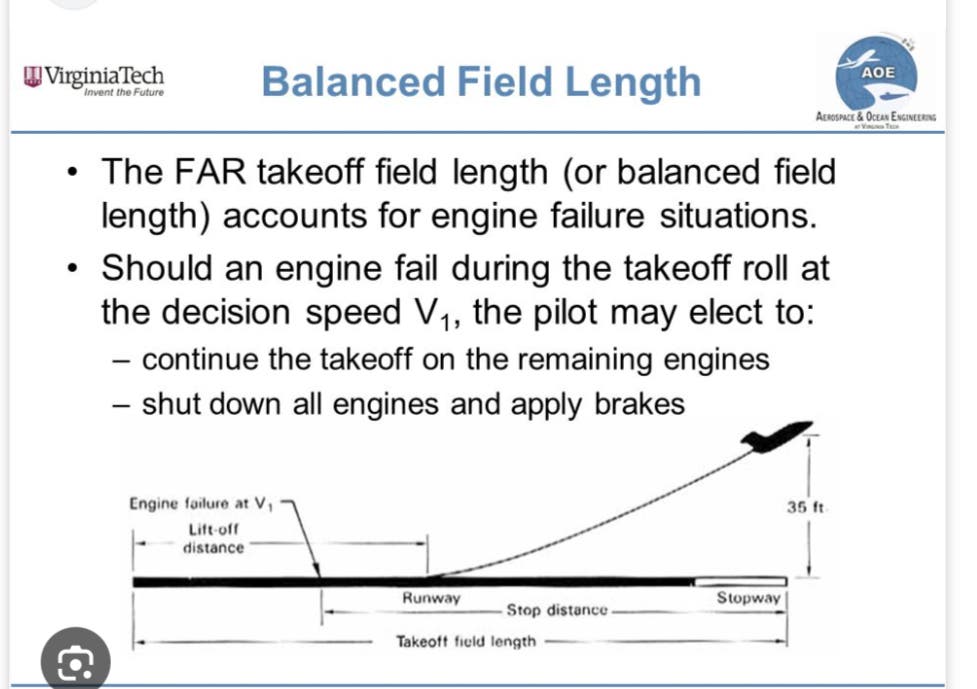
The above discussion is the essence of allowable takeoff weights versus available runway length. It is 100% Guarenteed that all takeoffs are safe and legally compliant at HVN…that is exactly why you see weight restrictions...to make compliance. A longer runway bumps up or improves these limiting numbers.
The current runway length at HVN does not allow the 737 series aircraft to operate at its full range of performance and payload carrying capability. This doesn’t mean it is the “wrong airplane for the wrong runway”. In fact, anyone who knows about aircraft performance knows this rule applies to all airplanes from all runways. This is why aircraft manufacturers make PERFORMANCE CHARTS FOR ALL AIRPLANES…because aircraft performance varies throughout a range of conditions.
The only thing wrong in this community-wide airport discussion is that we have the wrong protest groups dispensing the wrong information. For example and coming to mind: 🐣10,000 Hawks, 🛑✈️ Keep Tweed Small, 🥣 EHPolitics, Save Our Shoreline 🆘 and 😱 Flytweedfacts.
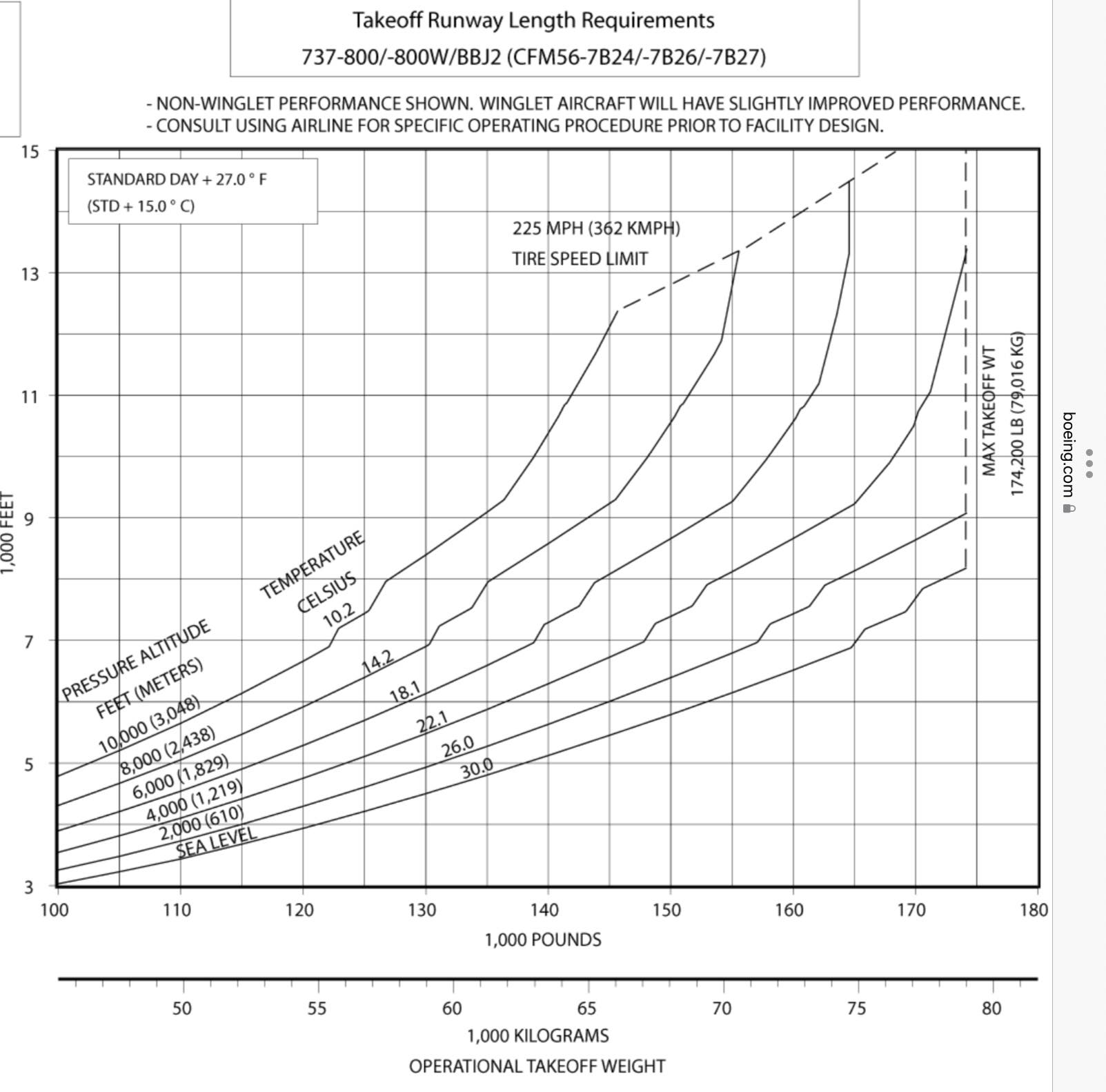
Avelo (any operator frankly) weight-restricts off our 5,600 foot runway not because the airplane cannot perform, but because in the event of potential problems (engine failure being the primary consideration) it would not meet certain requirements such as accelerate-stop (on available runway) or accelerate-go (climb gradient) or both IF IT EXCEEDS A CERTAIN WEIGHT.
Accelerate-Stop and Balanced Field Length at HVN are the predominant limitations.
Remember: Every airplane operates in this way, in particular jet airliners. Simply, we see it more often because of:
✈️The current runway length makes it more transparent.
🆘And the vociferous, vile and misinformed airport protest groups.
The good news? We have the opportunity to fix both these issues.
IN SUMMARY
The Avelo 737-700 & 800 airplanes would be able to operate at higher weights under a wider range of atmospheric conditions if the runway is lengthened to 6,500 feet. Avelo cannot currently operate above certain weights because of this “Accelerate-Stop / Accelerate-Go” limitation issue. The issue is rather simple. That said, some like to obfuscate the issue for their own agendas.
Every HVN takeoff is guaranteed to meet all regulatory performance requirements. Period. Absolute. The difference that we see in passenger loads and weight restrictions at Tweed is because of this regulatory performance requirement as it relates to 5,600 feet of runway. With a 6,500 foot runway, these limitations would be lessened. Not removed mind you, but lessened.
It’s that easy!