PRESCRIPTION DRUG ABUSE FACTS
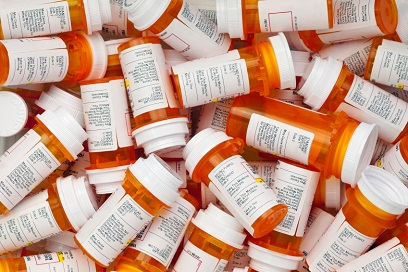
Prescription drug abuse has become a serious problem, especially among the young adult population.
- 1 in 4 teens say they have abused a prescription drug at least once and 1 in 5 has done so before age 14.
Find out what's happening in Granby-East Granbyfor free with the latest updates from Patch.
- Every day over 2,000 teens (12-17 years old) abuse prescription painkillers for the first time.
- 27% of teens believe that abusing prescription drugs is safer than abusing street drugs.
Find out what's happening in Granby-East Granbyfor free with the latest updates from Patch.
- 65% of teens who abuse prescription painkillers say they come from family or friends.
- Every 19 minutes a teen dies from prescription drug overdose.
- Prescription drugs are the most commonly abused drugs among kids age 12-13 years.
- Behind marijuana, prescription and over the counter (OTC) drugs are the most commonly abused drugs in kids age 14 years and older.
Prescription Drug Abuse
According to the National Institute on Drug Abuse (NIDA), prescription drug abuse is classified as inappropriate use of a prescription (or even OTC) drug, including:
1. Use without a prescription (ex. a friend or relatives medication),
2. In any way other than how it was prescribed, or
3. To achieve a high.
One important thing to remember is that prescription drugs have risks or side effects associated with them. For this reason, they are intended to be used under a doctor’s supervision and in the amount that the doctor prescribes the medication for.
There are many dangers to misusing prescription or OTC medications. For example, stimulants like Adderall® or Ritalin® are commonly used to treat ADHD and work by increasing attention and energy. When taken inappropriately they can have several negative effects, such as: dangerously high blood pressure or body temperature, irregular heartbeat, seizures, and even paranoia. These drugs also have severe withdrawal (stopping the drug) symptoms like: suicidal thinking, cravings, tiredness, or anxiety.
Other commonly abused prescription drugs include opioids (for pain) and depressants (ex. Valium® or Xanax®) also have dangerous effects if misused. They can cause constipation, dizziness, slowed or difficulty breathing, seizures, poor coordination, or decreased heart rate just to name a few.
WHAT CAN YOU DO?
Communication
As parents it is important to feel comfortable talking to children about the danger of taking medications inappropriately or not prescribed to them. There are a variety of resources available to help address difficult topics. One useful resource is The Medicine Abuse Project (http://medicineabuseproject.org) who’s initiative is to prevent 500,000 teens from abusing prescription medications by 2017. This site includes many resources for parents, teachers, and kids.
Safe Storage & Disposal of Medicine
Other ways to protect teens/ young adults is through safe medication storage and disposal when the medication is no longer needed. According to the Partnership Attitude Tracking Study (PATS) almost 50% of parents say that anyone can access their medicine cabinet. Parents, grandparents, and other relatives should keep their medications in a safe, secure place where they are not easily accessible. Also, keeping track of the number of pills you have left is important in protecting our kids.
Disposing of medications when they expire or are no longer needed will also help protect our kids. There are a few different ways to get rid of unwanted medications:
1. Mix the medicine with coffee grounds or kitty litter and throw them away in the trash. Many medications are not good for the water supply, so flushing them is not recommended.
2. You can also bring them to a nearby police station where they have a drop box for unwanted medications. Not all police stations have them, so call and ask ahead of time.
a. Simsbury police station has a drop box for unwanted medications.
3. Every year there are National Drug Take Back Days. During this day there are many sites where you can bring your unwanted medications for safe disposal.
This article was written by Katherine Michaud, our University of St Joseph School of Pharmacy Intern.