Community Corner
The Granby Turnpike Paved The Way For Early Commuters
Early toll roads made travel in Connecticut possible.


There's a lively debate taking place today around water coolers and over backyard fences across America regarding the role of government in our daily lives. In the 18th century however, the residents of the Granbys saw a more limited involvement.
One of the principal roles of town government in the 19th century was to provide for the establishment and maintenance of the roads, which bound the town together and created a healthy and strong 'community.'
In 1649, the Connecticut General Court passed a law that made each town responsible for the “making and mending of ways within its bounds." Appeals for new roads were taken to a town meeting, where the town's selectmen considered all aspects of the proposed road. Once approved, the town appointed Surveyors of Highways to plan a road that would disrupt resident land as little as possible.
Find out what's happening in Granby-East Granbyfor free with the latest updates from Patch.
The actual building and maintenance of each road was also the duty of the surveyors. Each year the surveyors took the responsibility of gathering all able-bodied men for one day each year to labor on town roads. Citizens who failed to comply were subject to a large fine. An amendment to the law in 1672 excused ministers, physicians, schoolmasters and ruling elders from this responsibility.
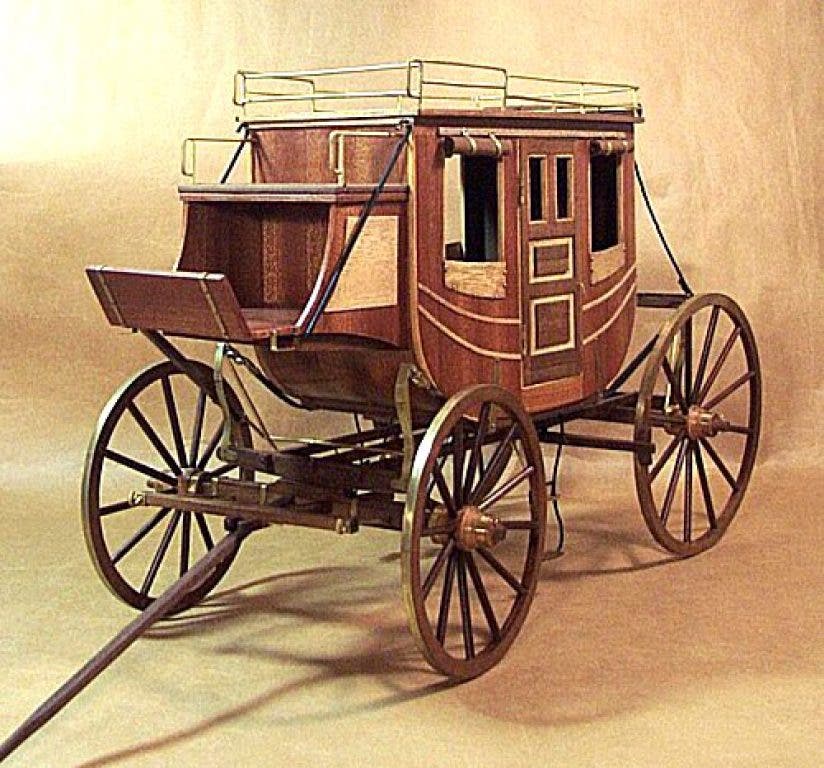
Because the construction of the road was fueled mostly by mandatory, unpaid labor, the demand for more and better roads increased. The American Revolution made higher quality roadways a necessity as more and more carriages and light wagons became common. The era of the 'turnpike' had arrived.
Find out what's happening in Granby-East Granbyfor free with the latest updates from Patch.
Most of these roads were private ventures, funded by local investors, who hoped they would bring commerce and prosperity to the Granbys.
The Granby Turnpike Company was incorporated in October of 1800 for the purpose of opening a turnpike from the Granville, Massachusetts line to Hartford.
That road became today’s Rte. 189, which connected Granby, Tariffville, Bloomfield, West Hartford and Hartford. This project was part of a scheme to connect Hartford, CT to Albany, NY, but the Massachusetts section of the turnpike failed to materialize. This is why Rte.189 in Granby Center is known as "Hartford Avenue" and the section of Rte. 44 in West Hartford is still known today as the “Albany Turnpike”.
A turnpike was essentially a toll road. Compensation for the use of a thoroughfare was established by the Hartford County Court. Each organization was authorized to erect two turnpike gates where the turnpike company was allowed to collect fees based on the traveler's use of the roadway.
For instance, four wheeled pleasure carriages cost 12 cents to travel each way. Loaded carts or sleds were the same, but as they returned empty they cost much less - around 4 cents per trip. A man on a horse would also pay 4 cents to travel whereas droves of cattle or horses would cost just one penny. Hogs and sheep were just one half-penny.
There were exceptions made, including; “all persons traveling on the Lord’s day to attend public worship, traveling to attend society or town meetings, traveling to funerals, ordinary farming business in the same neighborhood or traveling to and from the grist mill."
Another venture called the Barkhamsted Turnpike attempted to build a roadway from iron ore-rich Canaan, CT, to the Copper Hill section of East Granby and its Newgate Prison nail factory. Next the road would go on to Suffield and eventually to the U.S. Gun Factory in Springfield, Massachusetts.
At the same time, a third toll road was proposed, called the Hartland Turnpike. The turnpike was proposed at the Turkey Hills meetinghouse and would follow today’s Route 20 through Granby Center and West Granby. Next it would travel up Route 219 and connect to the Greenwoods Turnpike, known today as Route 44.
It wasn't until 1924 that the General Assembly allocated receipts from gasoline taxes to road construction, including road-paving projects.
This week, as citizens of the Granbys venture out and about on our local and state roadways, take a little time to think about the blood, sweat and tears of our forefathers who labored to create the foundation for the modern and wonderfully maintained public “ways” we enjoy today.