Health & Fitness
Dayton Kingery Around Connecticut - Keeler Tavern Museum
In the latest installment writing about local Connecticut attractions, Dayton Kingery writes about the Keeler Tavern Museum & History Center


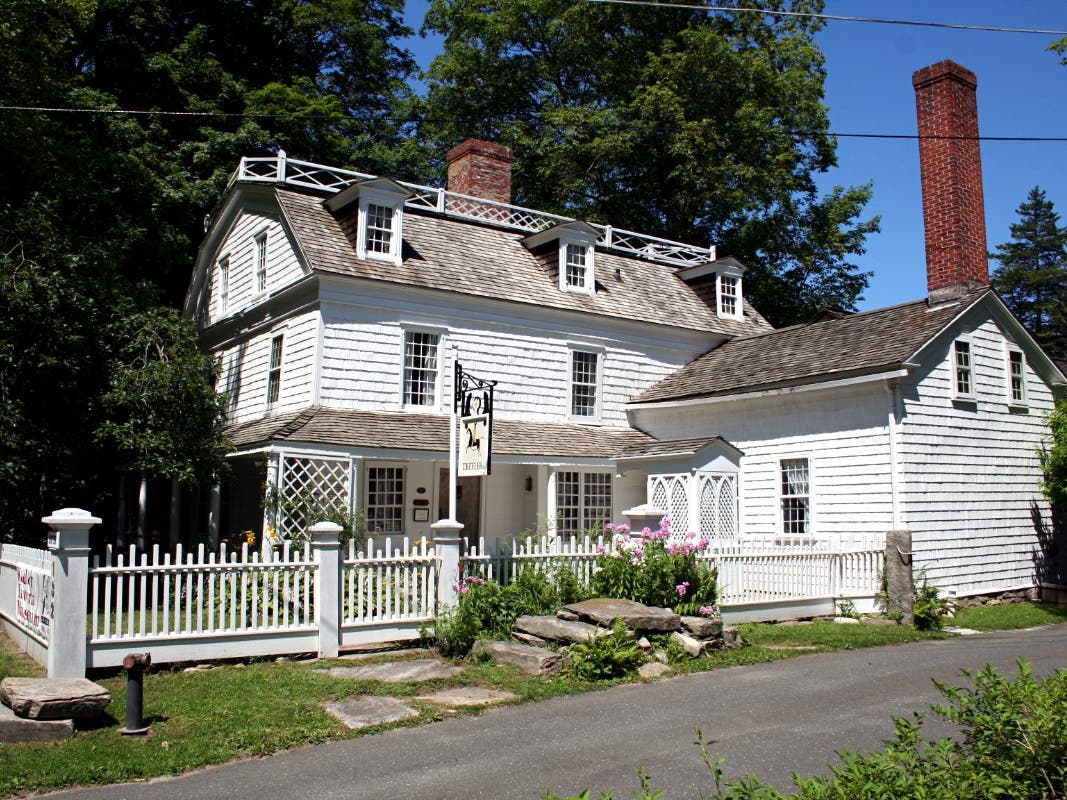
A lot of things make New England a special place, more than anything the unique role our region has played in American history. That’s especially true for Connecticut: Because we’re located on the coast, we’ve always had a booming fishing and marine industry, and our spot on the route between Boston and New York meant that Connecticut was an important theater of activity between American revolutionaries and the British troops struggling to put down the uprising.
The history of Connecticut, and our contribution to American culture and history, is the subject of the Keeler Tavern Museum & History Center in Ridgefield. The Museum is situated on the grounds of an historic local home that dates to 1713. Before the end of the 18th century the building sustained damage from a British cannonball during the Revolutionary War; since then the site has served as a hotel, tavern, post office and private home.
The picturesque gardens and tidy museum campus are marked by a signature blue and white Staffordshire, as well as a series of hand-carved decorative urns recreated in Italy from blueprints designed by Cass Gilbert, a prominent American architect at the time.
The grounds alone would be more than enough to warrant a visit, but the outdoor areas of the campus are only one facet of the museum experience. Inside the main building, the museum collection includes a range of colonial furniture and household items, period clothing, portraits of members of the Keeler family and more.
The Carriage Barn, designed and built in 1907 by then-owner Cass Gilbert, housed the family chauffeur and other staff. It was also used to house guests.
For researchers, the archive, including the Hartmann Photo Plate Collection, includes paintings, prints and sculpture including the original engraving of the Battle of Ridgefield, published April 4, 1780. According to the museum website, the archive is dedicated “to assisting visitors, students, and scholars in understanding significant lives and events during the site’s 300-year history, including their meaning for citizenship and culture.”
It is worth noting that the archive is open by appointment only.
Currently, the museum operates on reduced capacity due to the Covid-19 pandemic, but visits can be arranged ahead of time. In addition, there are digital programs for school groups ranging from 45 minutes to four hours, with content for fourth to 12th grade students.