Schools
Later School Start Times Being Discussed Again In Guilford
A task force is being put together to study the issue as officials begin budget deliberations.


By Jack Kramer, Correspondent
GUILFORD, CT – No town has spent more time studying the issue of school start times the past few years than Guilford. At a recent Board of Education meeting, school officials once again decided to tackle the issue again as part of next year’s budget presentation.
No one it seems disputes the science that school-age kids, especially older ones, need more sleep. But the myriad of issues that changing school start times raise – from costs, to sports schedules, to parent daycare issues, etc., has blocked Guilford from moving forward in past years.
Find out what's happening in Guilfordfor free with the latest updates from Patch.
During one of the discussions on the topic in the past, Board of Education Chairman William Bloss said: “This is the single most complicated issue that I have been involved with in my time on the Board of Education and I’ve been on it since 1999.”
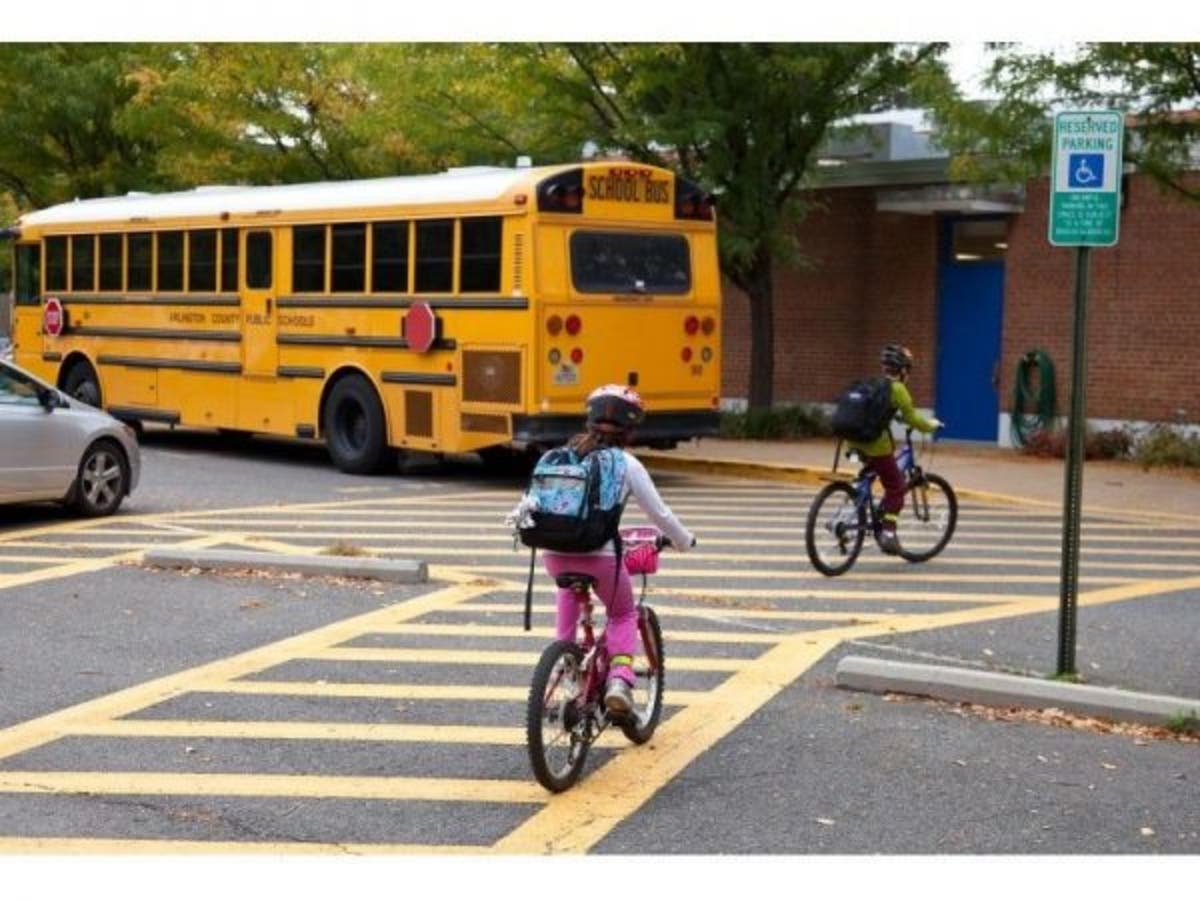
But some towns, starting with Wilton more than a decade, have made the change to later times. Most recently, Greenwich, this year, went to a 45-minute later start time for high school students.
Find out what's happening in Guilfordfor free with the latest updates from Patch.
At the most recent Board of Education meeting in Guilford, the topic came up again. A lengthy discussion was held with the result being that Superintendent of Schools Paul Freeman stating he would be putting a task force together to study the subject further as 2018-19 budget preparations advance.
Freeman said he, too believes the science that more sleep is good for the students. But he estimated the cost of a later school day might be about “$150 per student,” which he said would be tough too swallow.
Bloss, when asked about the matter, had this to say.
“We are very early in the budget process and I would be reluctant either at this time or without consideration by the full Board to express a view how the unanticipated income from the state should be used.
“Consideration of budget priorities outside the context of the full budget process runs a risk of piecemeal evaluation of programs and expenses, which isn't the way we develop budgets,” said Bloss.
He added: “Also, adding busses would be a recurring cost, and while the state budget is set for this year and next and does give us $800,000 each year that we didn't budget for, it is not guaranteed that state aid will not be reduced in the 2019-20 budget year and thereafter.
“Using these funds for recurring costs, as opposed to one-time items such as reducing bond payments or pension liabilities, would be something the full Board would have to carefully consider.
“Having said that, the state budget does allow us to start to develop the school budget from a much better position than in past years, all of the priorities that have been identified will be considered carefully, and voters would decide whether a reasonable balance has been achieved.
Bloss concluded: “As to start times specifically, we are working very hard to identify a way that changing them could be cost-neutral without a negative impact on instructional time, and if that is not possible we will try our best to weigh any cost against expected benefits.”
Get more local news delivered straight to your inbox. Sign up for free Patch newsletters and alerts.