Business & Tech
Milford-based Subway Responds To New York Times Tuna Test
DNA test was unable to prove the product is tuna, or is not tuna. Restaurant chain said that is expected from a test on denatured proteins.


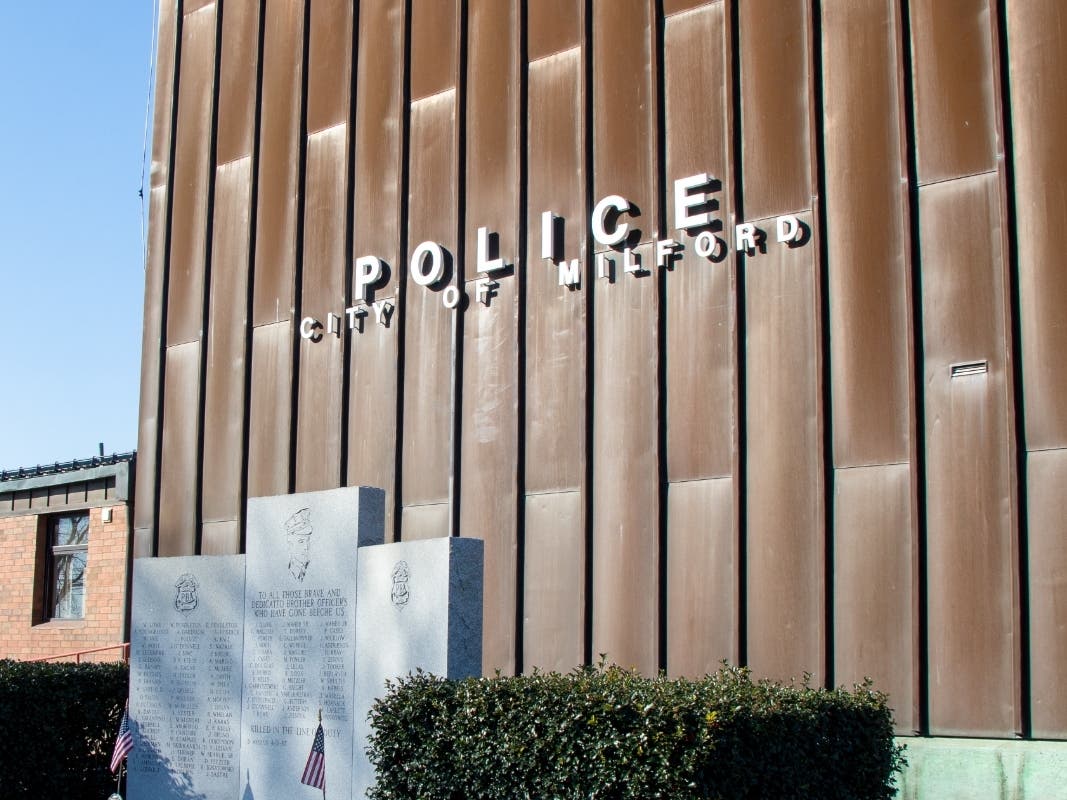
MILFORD, CT - Milford-based Subway, the world's largest sandwich chain, has released a statement in response to last weekend's New York Times article in which laboratory testing of the chain's tuna was unable to identify the product as tuna, though did not conclude that it was not tuna.
In an article, Times reporter Julie Carmel, sent Subway tuna to an unidentified lab, which conducted a PCR test - which rapidly makes millions or billions of copies of a specific DNA sample - to determine if it was tuna.
"No amplifiable tuna DNA was present in the sample and so we obtained no amplification products from the DNA," the lab concluded. 'Therefore, we cannot identify the species."
Find out what's happening in Milfordfor free with the latest updates from Patch.
A lab spokesman continued: "There's two conclusions. One, it's so heavily processed that whatever we could pull out, we couldn't make an identification. Or, we got some and there's just nothing there that's tuna."
The Times reporter explained that it was not necessarily surprising the DNA test of the cooked and processed fish was somewhat inconclusive.
Find out what's happening in Milfordfor free with the latest updates from Patch.
"Once tuna has been cooked, it's DNA becomes denatured - meaning that the fish's characteristic properties have likely been destroyed, making it difficult, if not impossible, to identify," Carmel wrote.
After the article was published, Subway responded on its website.
"Unfortunately, various media outlets have confused the inability of DNA testing to confirm a specific protein with a determination that the protein is not present," the chain wrote.
"The testing that the New York Times report references does not show that there is not tuna in Subway tuna. All it says is that the testing could not confirm tuna, which one would expect from a DNA test of denatured proteins."
All of this stems from a class-action lawsuit filed in California last January by plaintiffs Karen Dhanowa and Nilima Amin alleging Subway makes false claims about its tuna.
"The products are made from a mixture of various concoctions that do not constitute tuna, yet have been blended together by Defendants to imitate the appearance of tuna," the suit alleged.
The plaintiffs did not say what they believe is used instead of tuna.
At the time the suit was filed, Subway responded by saying there was no truth to the allegations.
"Subway delivers 100-percent cooked tuna to its restaurants, which is mixed with mayonnaise and used in freshly made sandwiches, wraps and salads that are served to and enjoyed by our guests," the chain said in a statement.
SeafoodSource.com reported this week that the lawsuit was amended earlier this month and now also focuses on the veracity of Subway's marketing and advertising claims that its tuna is 100-percent sustainably-caught skipjack and yellowfin tuna.
Subway also responded to that claim in its recent statement.
"Just like the original claim, the new claims are untrue and have absolutely no merit," the restaurant wrote. "In fact, the amended complaint does not remedy any of the fundamental flaws in the plaintiffs' case that should result in the case being dismissed."
In February, the television show "Inside Edition" sent samples from three Subway locations in New York out for testing, and a lab found that the specimens were tuna.
In the Times story, multiple sources questioned what Subway's motivation would be to swap out its tuna for another product.
"I don't think a sandwich place would intentionally mislabel," Dave Rudie, the president of Catalina Offshore Products in San Diego, told the publication. "They're buying a can of tuna that says 'tuna.' If there's any fraud in this case, it happened at the cannery."
Subway obviously has not been happy with the negative press.
"The taste and quality of our tuna make it one of Subway's most popular products, and these baseless accusations threaten to damage our franchisees, small business owners who work tirelessly to uphold the high standards that Subway sets for all of its products, including its tuna," Subway wrote in its statement.
Get more local news delivered straight to your inbox. Sign up for free Patch newsletters and alerts.