Neighbor News
TBBCF Awards $300,000 to Three Breast Cancer Researchers
This is the 11th year TBBCF has awarded grants to scientists working toward a cure for breast cancer.
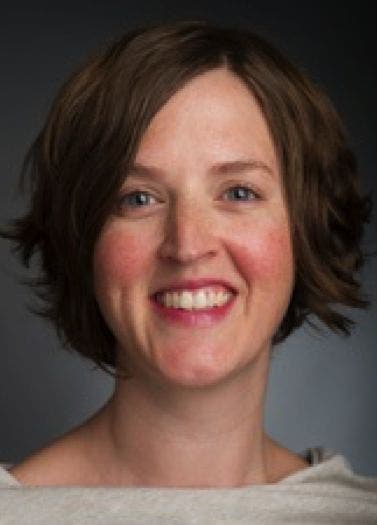


The Terri Brodeur Breast Cancer Foundation has awarded grants to three scientists working in the field of breast cancer research. Each will receive $100,000 for their two-year fellowship.
Two of the recipients work at the Dana-Farber Cancer Institute and one is from the Koch Institute for Integrative Cancer Research at the Massachusetts Institute of Technology. This is the 11th year TBBCF has awarded grants to scientists working toward a cure for breast cancer. Since 2007, TBBCF has awarded 37 breast cancer researchers $3.7 million in research grants. These awards are intended to support PhD, MD/PhD and MD physician scientists at early stages of their research careers to enable them to develop independent careers in breast cancer research. The Foundation seeks to fund broadly across all relevant disciplines and as such focus areas can include basic, preclinical and clinical research.
“Cancer genomics, drug resistance, tumor metastasis, and Immuno-Oncology are rapidly advancing areas of investigation that offer the hope for innovative advances in cancer research and clinical practice,” said Nick Saccomano, Ph.D., chairman of the TBBCF Scientific Advisory Board. “Thus, it is not by chance that our awardees for 2017 gravitate to these topics to ask and hopefully answer important fundamental questions in current breast cancer research.”
Saccomano said the applications for this year’s disbursement - which numbered 25 - were outstanding. “This year, much like every other in our foundation’s history, the scientific advisory board has been thrilled by the creative insights made and heartened by the courage and energy of our grant recipients,” he said.
This year’s recipients are:
Ji Li, PhD, Dana-Farber Cancer Institute
About Dr. Ji Li: Dr. Ji Li obtained his BSc in Biological Sciences from Peking University, China, and completed his PhD study at New York University School of Medicine. During his doctoral studies, Dr. Li investigated post-translational control of cell cycles in cancer and discovered a novel protein complex that contributes to tumorigenesis. Dr. Li is currently a postdoctoral fellow at Dana-Farber Cancer Institute/Harvard Medical School in the laboratory of Dr. William C. Hahn.
His work: Basal-like breast tumors comprise a heterogeneous group that accounts for about 15% of all breast cancers. They are highly aggressive and generally fail to respond to targeted therapies. Thus, there is a great need to identify novel vulnerabilities and develop novel therapies for this aggressive breast tumor type. The epithelial-to-mesenchymal transition (EMT) is often reactivated during tumor formation. Compared to other breast cancer subtypes, basal-like breast cancers display the highest degree of mesenchymal and stem-like features, which are responsible for tumor initiation, metastasis and therapeutic resistance.
We have recently identified genes that regulate EMT in breast cancer using a genome scale screen and identified several RNA splicing factors that are upregulated in basal-like breast cancers and promote the breast tumor formation. We propose to systematically characterize the role of alternative splicing in breast cancer and EMT using genomic, molecular and cellular biology, and computational approaches and investigate its role in breast tumor metastasis and therapeutic resistance. These studies may lead to new approaches to treat basal-like/triple negative breast cancers.
Aaron Meyer, PhD, Koch Institute for Integrative Cancer Research at the Massachusetts Institute of Technology
About Dr. Aaron Meyer: He obtained his Ph.D. in Biological Engineering at the Massachusetts Institute of Technology, where he worked under the supervision of Profs. Doug Lauffenburger and Frank Gertler. During his doctoral studies, Dr. Meyer investigated the molecular regulation underlying cancer cell invasion. Shortly after defending his thesis he was awarded an NIH Director’s Early Independence Award, which has enabled him to establish his independent research program at the Koch Institute for Integrative Cancer Research at MIT.
His work: Metastatic spread drives the majority of breast cancer mortality and, to do so, requires tumor cells to both disseminate and avoid clearance by the immune system. Inhibiting TAM receptors has shown promising results in models of breast cancer by blocking tumor cell dissemination, preventing resistance to existing therapies, and relieving immune suppression. Based on these results, the first therapies targeting these receptors are now in early clinical studies. However, a better understanding of when and where these receptors drive breast cancer progression is needed to identify which patients will benefit from these therapies.
As a Terri Brodeur Fellow, Dr. Meyer will use a computational model to direct design of new inhibitors for the TAM receptors. Using these well-characterized compounds, he will examine the in vivo effects of inhibiting different TAM receptor complements.
By measuring the cellular and molecular consequences of each treatment, and which changes correspond to a therapeutic benefit, he hopes to both develop a clearer picture of when and where these receptors drive breast cancer progression. This information will, in turn, help to address which patients will benefit from these therapies.
Heather Parsons, MD, MPH, Dana-Farber Cancer Institute
About Dr. Heather Parsons: She is a graduate of Dartmouth College and has a Master of Public Health from Johns Hopkins Bloomberg School of Public Health. She received her medical degree from Drexel University College of Medicine, where she was inducted into the AOA Honor Medical Society. She was then an Osler Medicine resident in Internal Medicine at The Johns Hopkins Hospital. She completed a fellowship in Medical Oncology at Johns Hopkins Hospital before joining the Susan F. Smith Center for Women’s Cancers at Dana-Farber Cancer Institute. She is currently an instructor at Harvard Medical School.
This year, breast cancer will claim the lives of more than 500,000 people worldwide. Most of these will be women in whom the disease has spread to the rest of the body, known as metastatic breast cancer. Women living with metastatic breast cancer typically receive ongoing, single-agent treatments that are effective for awhile, but at some point, the disease develops resistance, evading a previously effective therapy and growing again. HER2-overexpressing (HER2-positive) breast cancer is a subtype that accounts for 20%-25% of breast cancers, and is associated with faster growing tumors, higher rates of recurrence, and higher rates of brain metastases.
Though we have effective treatments for HER2-positive metastatic breast cancer, inevitably the disease develops resistance and progresses. Understanding how and why metastatic breast cancer develops resistance is difficult, but is critical to the development of better treatments for women with this disease.
Evidence increasingly suggests that tumors evolve genomically over time and in the face of ongoing systemic therapies. A major obstacle to understanding treatment resistance is access to metastatic tumor tissue, as patients with metastatic breast cancer do not typically undergo multiple, sequential biopsies. Both tumor and normal cells shed DNA into the circulation, and even a small amount of circulating tumor DNA (ctDNA) is detectable via next-generation sequencing technologies that are able to “read” the DNA code.
As a Terri Brodeur fellow, Dr. Parsons aims to identify, via the ctDNA changes in the tumor, DNA that cause treatment resistance in patients with HER2-positive metastatic breast cancer. She hypothesizes that she will see more of these changes in the ctDNA of patients with metastatic breast cancer who have had extensive treatment than those who have not or those with early-stage breast cancer. These changes may explain why these cancers develop resistance to treatment. By knowing what these changes are, Dr. Parsons aims to enable the development of better treatments for women with HER2-positive metastatic breast cancer. She intends to use the findings to design better studies, and ultimately, treatments for women with metastatic breast cancer. This project has the potential to transform our understanding of metastatic breast cancer, and to significantly advance the use of ctDNA to better understand metastatic cancer.
About TBBCF
In 2005, two friends, Norma Logan (1958-2006) and Sandy Maniscalco started the Terri Brodeur Breast Cancer Foundation (TBBCF). The desire to establish a non-profit organization was from frustration at seeing successful fundraising efforts being diverted from research to cover organizational overhead. Determined to address this issue and ensure money was directed at finding a cure, these women established a unique non-profit organization, which through sponsorship and volunteerism, is able to direct 100 percent of total gross fundraising efforts to breast cancer research. The organization’s name was chosen to honor a dear friend, Terri Brodeur. Terri presented with Stage IV breast cancer in 2003. Effective treatment options did not exist to help Terri, and after a two-year battle she succumbed to the disease leaving behind a beloved husband and three young children.