Business & Tech
Pet Wounds
The Newtown Veterinary Specialists Emergency Service Offers Tips for Dealing with Pet Wounds

Whatever the source--a fight with another animal, an unfortunate run-in with a branch in the woods, or a grooming mishap, scrapes and cuts on your pet can be scary, and may leave you wondering what to do next.
Is hydrogen peroxide OK? Is Neosporin safe? Should you bandage it? Does a small little wound really require a trip to the vet? The answer to that last question is almost always yes.
Here are some tips to help you manage your pet’s wounds in the best way possible.
Find out what's happening in Newtownfor free with the latest updates from Patch.
Initial management
• Use caution when initially approaching and trying to evaluate your pet at home. Even the most loyal of pets can become panicked and bite when in pain! If they are not actively hemorrhaging, it is often best to escort them to the car and bring them straight to the veterinarian to ensure you are not injured and that a thorough evaluation is performed. It is unnecessary to try to bandage or treat wounds before transport, but you should try to prevent contamination (environmental or from your pets mouth) as much as possible.
Find out what's happening in Newtownfor free with the latest updates from Patch.
• If your pet is actively hemorrhaging, find a clean cloth and apply firm pressure. Ideally, pressure should be kept on the wound until you hand your pet over to a veterinarian. It is best if you can have someone ride along with you to keep pressure on the wound. If not, do your best to pack the wound with the cloth and place a firm wrap around it. Place your pet in a carrier or box (with holes for ventilation) for transport to prevent movement as much as possible.
• If your pet is not hemorrhaging, DO NOT apply a bandage. Incorrectly placed bandages can cause much more harm than good!
Veterinary evaluation
• Upon presentation to the veterinarian your pet will be thoroughly examined for wounds or other injury. Depending on the condition of your pet and the severity of the injury, pain medication may be given prior to full evaluation.
• Your veterinarian will likely recommend that full blood work be performed. This is because wound exploration and/or repair in pets will usually require sedation or full anesthesia. X-rays may also be recommended if the wound is over the chest or abdomen, to try to determine if it is a penetrating wound.
• Once your pet is under anesthesia and the wounds have been properly prepped, your veterinarian will use surgical instruments to determine if there are big pockets under the skin requiring the placement of a drain or other intervention. Most often, the small external wound you see is just the tip of the iceberg, and there may be much more extensive injury under the skin. The wounds will also be flushed thoroughly to try to help prevent infection. Stitches may or may not be placed.
Home care
• Upon discharge from the hospital (often several hours later, after the pet recovers from anesthesia), your pet will likely go home with antibiotics and pain medication. There may be drains or stitches that will later require removal, and even if there aren’t, a recheck exam is recommended in 7-10 days to make sure everything has healed appropriately.
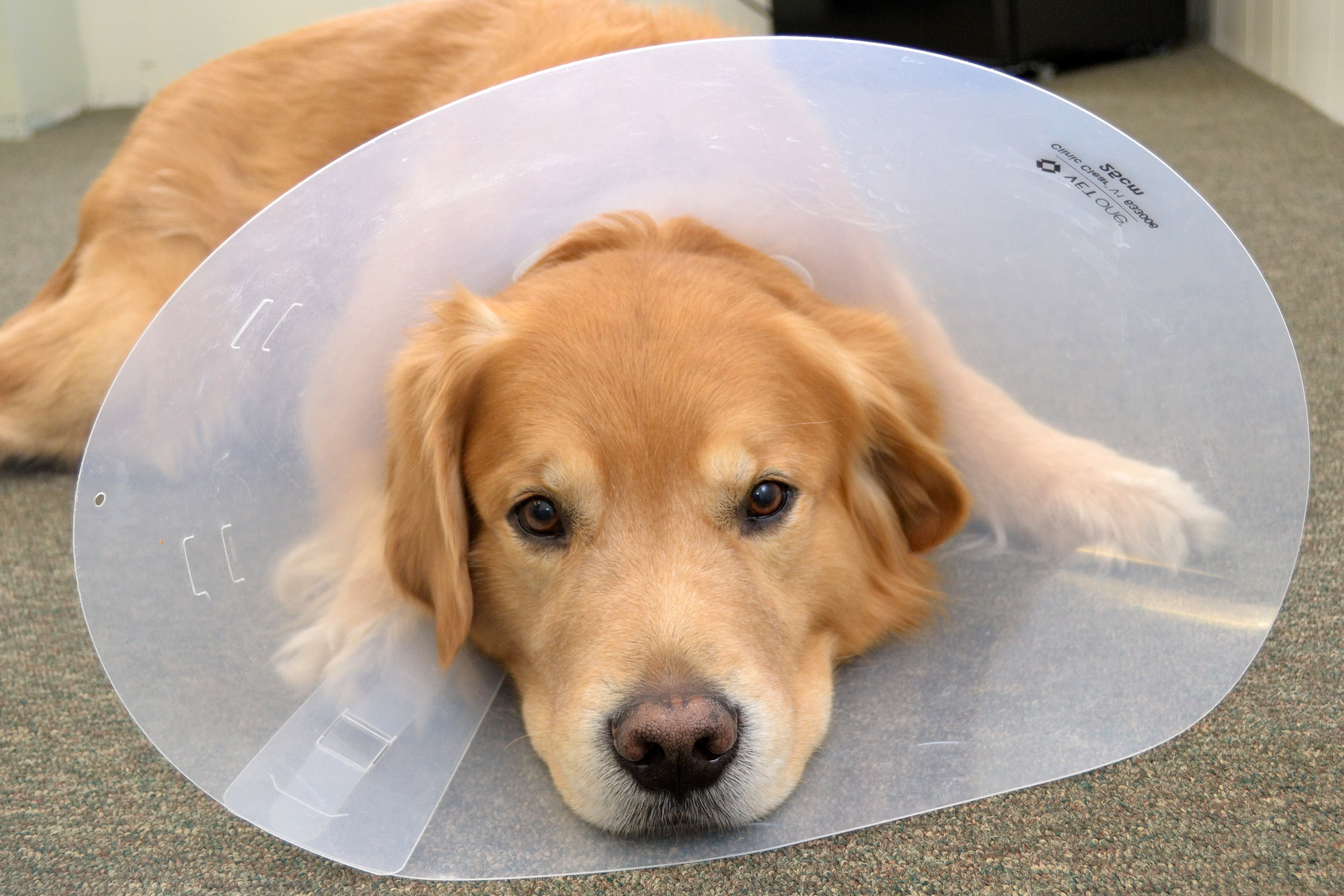
• Your pet should be restricted from running, jumping, or playing until suture removal. An e-collar or other approved device to prevent chewing, licking, or scratching of the wounds should always be worn until the wound is fully healed (usually 7-10 days).
Newtown Veterinary Specialists, located at 52 Church Hill Road in Newtown, CT, is open 24-hours-a-day. Pet patients staying overnight are monitored ‘round the clock by compassionate, highly trained veterinary technicians and support staff. An emergency veterinarian oversees patient care through the night. For more information about this advanced emergency, critical care and specialty veterinary facility, visit www.newtownvets.com.