Politics & Government
Lake Zoar Authority Wants More Money
LZA seeks close to $30,000 increase in its yearly budget to combat invasive weeds, other issues.


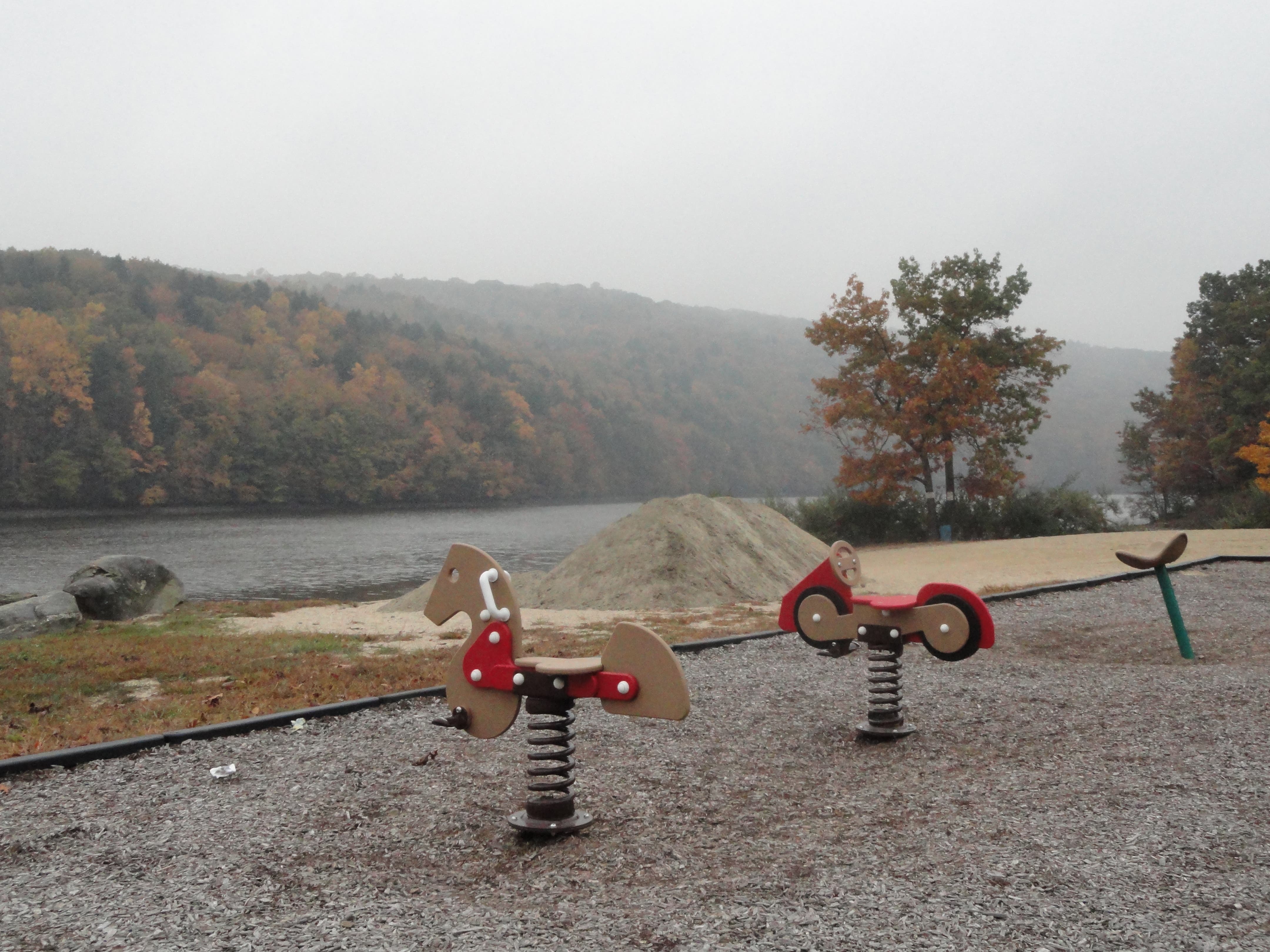
Boaters and swimmers soak in the views at Lake Zoar every season, from the blue herons and swans to the Bald Eagles that can be seen soaring over head in Southbury and below Stevenson Dam in Monroe.
It's the job of the Lake Zoar Authority (LZA) to provide safety patrols, maintain the water quality and harvest the weeds to keep the growth under control for residents using and living along the lake in Monroe, Newtown, Oxford and Southbury.
The annual budget is divided among the four towns, each with representatives on the LZA. Authority members believe more money is needed to perform its functions at a high level.
Find out what's happening in Oxfordfor free with the latest updates from Patch.
The LZA held a public hearing at Monroe Town Hall Tuesday night to appeal for a $28,800 increase over its current spending plan.
The bulk of the proposed increase is a $12,500 non-recurring expense fund and $10,000 for systemic weed treatment.
Find out what's happening in Oxfordfor free with the latest updates from Patch.
LZA Chairman Robert Barnes of Southbury said there was not enough money for a chemical treatment of weeds in this year's budget and, as a result, a hot early summer and drought conditions allowed Eurasian milfoil, an invasive weed, to flourish.
One photo in Barnes' overhead presentation showed the slimy green plant covering the surface of the lake at Fish Rock Cove, near Route 84. Eurasian milfoil carpeted the lake floor and had to be cut and removed with a weed harvester throughout the season. The weed gets stuck in boat motors, according to Barnes.
The $10,000 systemic weed treatment is applied to the leaves and goes right down the the roots, killing the plant, he explained.
"It will knock out the weed problem if we can get the roots with them," Barnes said.
As for the $12,500 non-recurring expense account, Bob Mouchantat, LZA treasurer, said it would be used for equipment. The hope is for money to be put into the account every year.
"Then we don't have to ask for $60,000 all at once one year to replace a boat," Mouchantat said, giving an example of how the fund would be used.
The LZA said Newtown, Southbury and Oxford each paid for 25 percent of past budgets compared to the 20 percent paid by Monroe. In the past, money from the non-recurring fund was used to make up the difference.
Barnes said some contend that Monroe has only a fraction of frontage on the lake, so it should not pay as much as the other towns.
But Barnes argues the town benefits significantly from being on the lake, reaping tax revenue from FirstLight Power, which owns Stevenson Dam, and The Waterview, on Roosevelt Drive.
When asked if Monroe would increase its contribution to 25 percent, First Selectman Steve Vavrek would only say that first selectmen from all four towns will meet to discuss the LZA's budget.
All four town leaders will meet with LZA representatives from every town at Monroe Town Hall on Nov. 23.
The LZA is proposing $132,700 for 2011-12; its current budget is reportedly $103,900.
'Like walking through glass'
The Lake Zoar Authority is concerned over a menace heading toward the lake. The zebra mussel, a thumbnail-sized mollusk that destroys aquatic life and clogs boat motors and intakes, is flowing in from the Housatonic River.
"It plugged up the entire public drinking supply for Chicago," Barnes said.
Brought to America by bilge water from the Caspian Sea, the mussel has already infected the Great Lakes, the Mississippi River and Lake Champlain, among other waterways.
One mussel can reproduce up to 1 million spores a season. If the mussels are not eradicated from boat hulls and other surfaces, the impact is projected to be devastating five years from now.
"Four were found in Lake Zoar this season," said Bernie Lintzner of Oxford, LZA vice chairman. "By next year, it could be four million. They keep multiplying."
A zebra mussel is the size of a thumbnail.
"It's like walking through glass to go swimming, because of all those tiny shells," Lintzner said.
He said people should clean their boat hulls with 110-degree watern and bleach and allow it to dry in the sun for two days. Any eggs would die, so there would be no cross contamination when the boat is taken out on the water again.
However, there is one positive effect from zebra mussels.
"It will make the water crystal clear," Lintzner said.
"It won't kill weeds though," Bob Mouchantat quipped.
Get more local news delivered straight to your inbox. Sign up for free Patch newsletters and alerts.