Politics & Government
Aquarium Scientist Testifies In Support Of Long Island Sound Plan
The LI Sound Blue Plan promotes recreational and commercial uses, while at the same time protecting critical habitats.


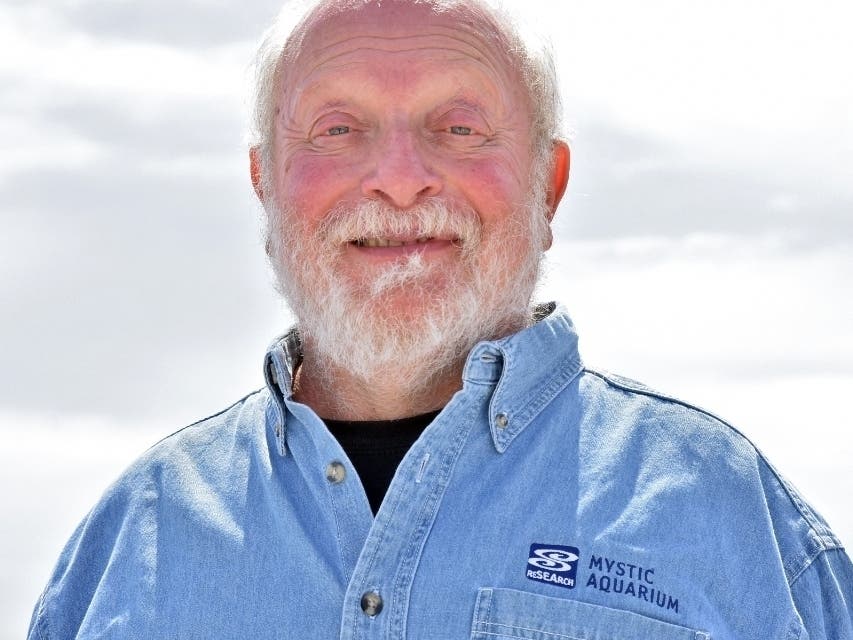

HARTFORD, CT — Dr. Peter Auster, Senior Research Scientist at Mystic Aquarium's Senior Research Scientist Dr. Peter Auster testifies today in support of the state's House Resolution Proposing The Adoption Of The Long Island Sound Blue Plan. Auster is also Research Professor Emeritus of Marine Sciences at the University of Connecticut.
The Long Island Sound Blue Plan was created to protect traditional uses, minimize conflicts, and maximize compatibility, now and in the future. This includes preserving Long Island Sound's ecosystems and resources, and facilitating a transparent, science-based decision-making process.
The plan has a two-step process:
Find out what's happening in Stonington-Mysticfor free with the latest updates from Patch.
- Gather data to develop an inventory of natural resources and human uses. This is done through the development of maps that are reviewed by experts and stakeholders for accuracy.
- Use those maps to develop a participatory process to map current and potential new uses in a manner that will minimize conflict with natural resources and traditional uses.
In a statement sent to Patch in advance of his testimony, the Mystic Aquarium noted that the "Long Island Sound is a critical component to Connecticut’s economy and quality of life."
"It is a tremendous source of economic prosperity through tourism, eco-tourism, recreational and commercial fishing and shipping," it reads. "Unfortunately, human impact has been the main contributing factor to the poor health of Long Island Sound. Because those who benefit from Long Island Sound are also responsible for its vitality, it is critical that the public be educated on how changes to their daily lives will greatly impact the health and beauty of their greatest natural resource. "
Find out what's happening in Stonington-Mysticfor free with the latest updates from Patch.
Auster said that in his near half-century career, "working directly on and underwater, in Long Island Sound and other ecosystems across the globe, my experience has readily demonstrated that human uses can have profound, devastating, and often unanticipated effects on marine and coastal natural resources."
Get more local news delivered straight to your inbox. Sign up for free Patch newsletters and alerts.