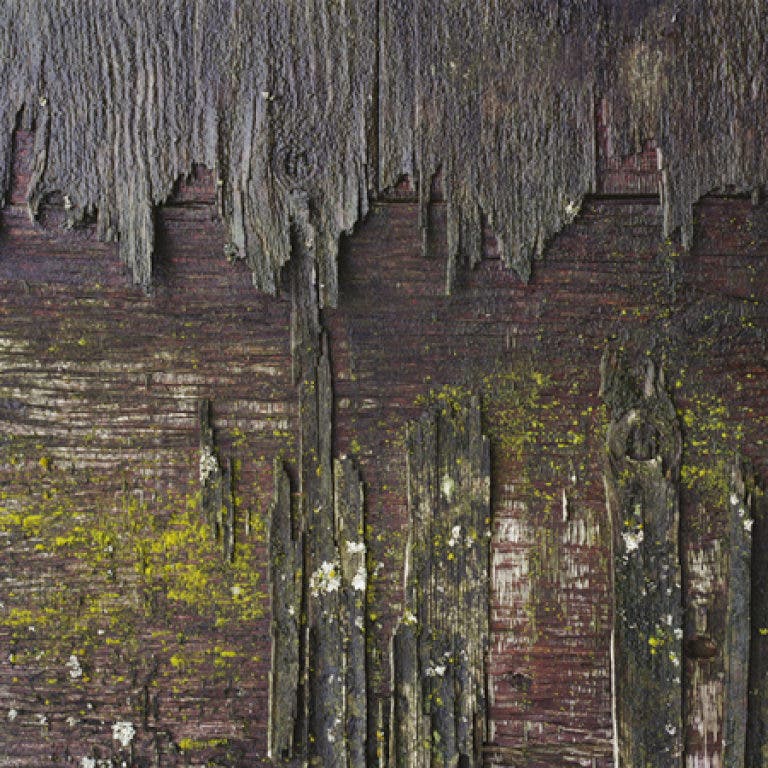
Water – The Enemy
The key to mold control is moisture control. If mold is a problem in your home, you should clean up the mold promptly and fix the water problem. It is important to dry water-damaged areas and items within 24-48 hours to prevent mold growth. Remember, mold may begin growing indoors when mold spores land on surfaces that are wet. These are the major culprits of indoor moisture that can cause mold problems: Flooding, leaky roofs, ice dams, backed-up sewers, humidifiers, damp basements, plumbing leaks, moisture from appliances such as furnaces, stoves, non vented bathrooms and kitchens.
Elimination
Find out what's happening in Stonington-Mysticfor free with the latest updates from Patch.
Remember, mold can and will destroy the things they grow on, so prevent its growth. Clean mold on hard, non-porous materials such as plastics, glass, wood and metal with a bleach solution (1 part bleach to 10 parts water). Bleach can irritate your eyes, nose and throat so make sure you ventilate the area well and wear rubber gloves and eye protection. Also, wear a respirator with a HEPA filter (not dust mask) to protect you from breathing airborne spores. If the material absorbs water such as sheetrock, insulation, ceiling tiles, carpet padding,etc., you should discard them. If the area to clean up is small, do it yourself. If the job is too large or you are allergic to mold spores or feel your health could be affected, consider using a professional cleaning company. To prevent mold from returning, you should, improve ventilation, use a basement dehumidifier, repair leaking roofs and fix plumbing leaks. Remember to run bathroom fans or open the window when showering. Use exhaust fans or open windows whenever cooking or running the dishwasher.
Health
Find out what's happening in Stonington-Mysticfor free with the latest updates from Patch.
Molds do have the potential to cause health problems. Molds produce allergens, irritants and in some cases potentially toxic substances (mycotoxins). Allergic responses include hay fever-type symptoms, such as sneezing, runny nose, red eyes and skin rash. The reactions can be immediate or delayed. Exposure to large amounts of mold inside buildings is not healthy for anyone. The following groups of people appear to be at risk for ill health effects due to mold exposure: Infants and children, senior citizens, and individuals with existing respiratory conditions or sensitivities such as allergies or asthma.. For more information, consult with local or state health departments.
Do I Need To Test My Home?
There are no air standards for the level of mold indoors, so testing is not recommended. If you see or smell mold or mildew, then you have a moisture and mold problem. The first step is to CLEAN, DISINFECT AND DRY OUT the moldy areas. Then it is IMPORTANT to identify the moisture source and correct it.
Any questions or concerns, please email me at William.petrone@yahoo.com
Your Blue Thumb Builder, Bill.