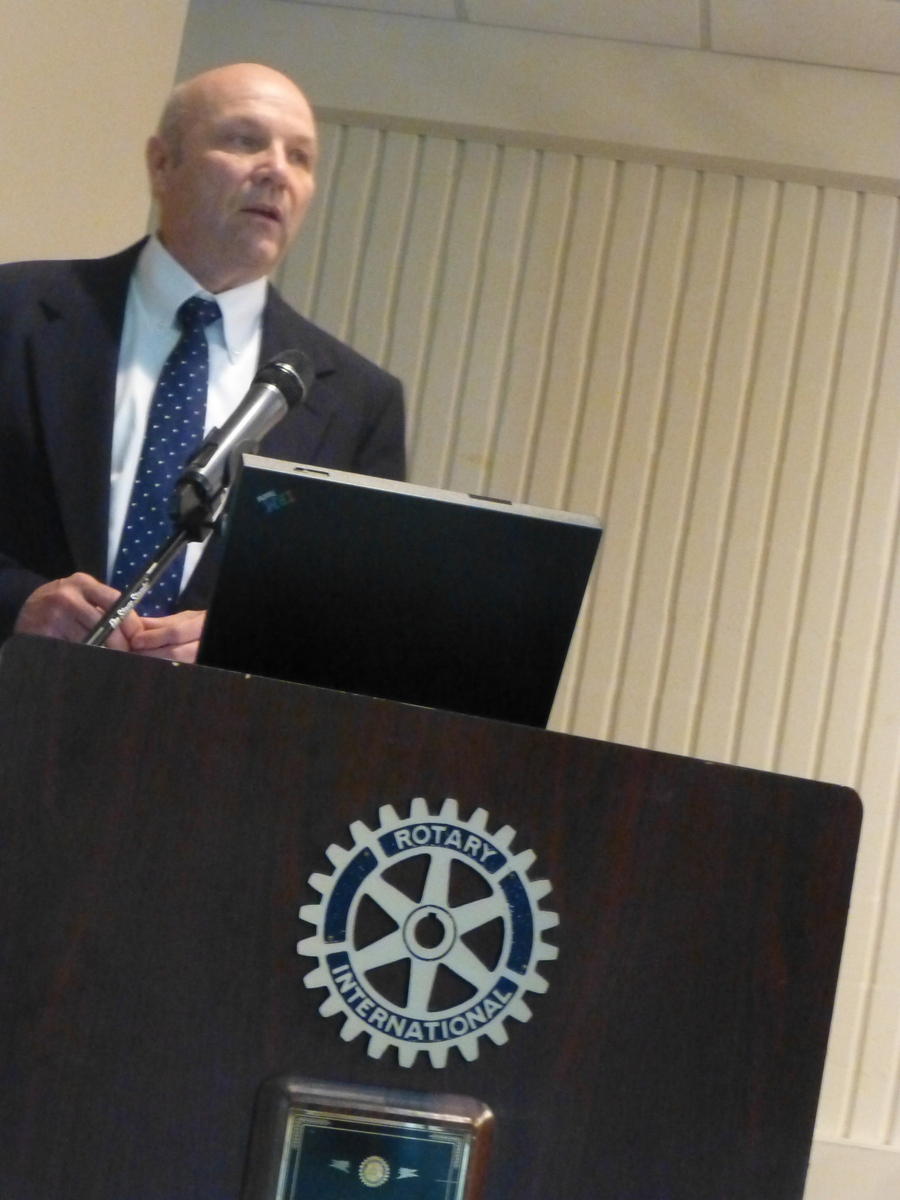


Dr. Gary Cialfi, Trumbull’s incoming Superintendent of Schools, provided the 70 attendees at Thursday’s BEI Recognition Awards gathering an “educator’s perspective” on our school’s progress in reshaping programs to meet the stepped up needs of the workplace.
Three senior educators talked to the benefits of the newly introduced Full Day Kindergarten (FDK) program.
Mary Ellen Bolton, Jane Ryan Elementary School Principal, opened by reminding the group that technology is everywhere – “who has seen a five year old playing with an iPad?” “They’re sponges,” even at that age they know how to find what they want (the writer can attest that at least one 18 month old had no difficulty either).
As younger children gain access to these learning opportunities they come to kindergarten increasingly ready to read, write and work with numbers.
FDK meets that need. It provides teachers more time to offer young learners a curriculum that supplements academics with social and emotional components essential to the growth of the whole child.
Frenchtown kindergarten teacher Arline Alves told the group that “FDK enables balancing socialization with learning,” that a longer day and greater paraprofessional assistance mean “more small group work” which has led to higher reading and math achievement.
Frenchtown Principal Jackie Norcel talked numbers: “40 percent of U.S. children are not enrolled in FDK, despite research showing it is best.” She added that this is particularly so for children from lower socio-economic groups, from diverse homes, and for those for whom English is not their first Language.
Norcel pointed out that the longer day has dramatically reduced the need for remedial reading – from 23 to 12 percent of Trumbull’s kindergarteners.
Then she looked ahead, saying the next step has to be “universal pre-school” because it aids schools’ responses to business saying "schools are not educating for what we need, that we have to get children into public school sooner.”
Dr. Cialfi introduced the second initiative – “Assured Performance Based Assessments” – “engaging students in their own learning through the meaningful application of skills and content knowledge.”
APBA connects what students know with using that knowledge and those skills beyond the classroom – the practical application of classroom learning.
Cialfi turned the floor over to Gene Stec, an eighth grade teacher at Madison Middle School.
Stec talked about a Tri-State APBA workshop he and some colleagues attended recently – Connecticut, New York and New Jersey – where his takeaway was that “Trumbull is clearly ahead of the curve… we became consultants to teachers from other districts.”
APBA, he said, strengthens students’ motivation by giving them a greater role in choosing how they apply what they learn. APBA seeks to make education more like the world students will see outside school – where they will need to think creatively and critically, and to communicate and collaborate with their fellow students/co-workers.
This approach also strives for authenticity – adapting classroom knowledge, skills and work habits to real world tasks. One example is that students will spend more time working with non-fiction material – the type of reading and writing most will do as a part of their employment – rather than the traditional emphasis on fiction.
Implementing APBA will mean spreading this real world orientation to every classroom across the district and adopting collaborative teaching to change instruction from a series of silos to an “interdisciplinary curriculum.”
Full Day Kindergarten and APBA are just the latest programs the leaders of our cash strapped schools have developed to assure that our children receive the knowledge and skills they will need to compete successfully in the 21st century.