Politics & Government
Post-Retirement Benefits Change for Trumbull Board of Education Employees
New Trumbull non-union Board of Education employees will follow the town's lead and be enrolled in defined contribution post-retirement benefit programs



All non-union employees hired after July 1, 2011 will be enrolled in the town's defined contribution post-retirement benefit plan, following the policy being implemented on the town side.
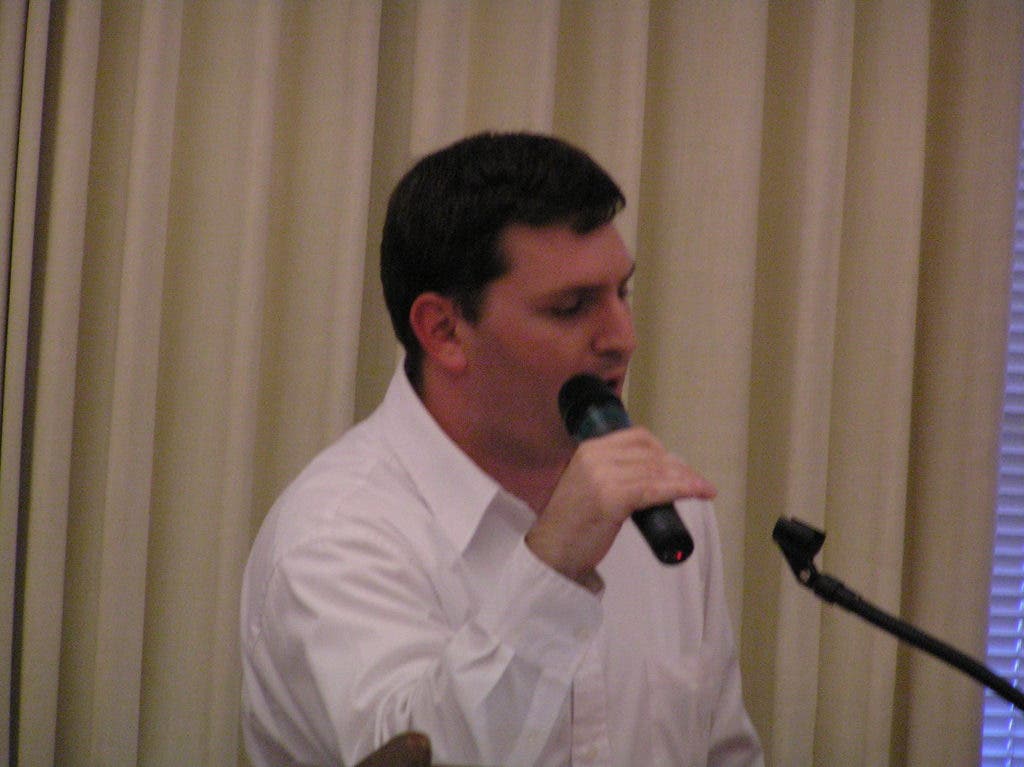
Town officials, including Chief of Staff Dan Nelson, addressed the Board of Education at its meeting Tuesday.
Maria Pires, the town's Finance Director, stated that are now four such employees. They will not be eligible to participate in defined benefit pension programs currently covering all eligible BoE and town employees, union and non-union.
Find out what's happening in Trumbullfor free with the latest updates from Patch.
Nelson added that current employees are grandfathered into their existing defined benefit plans, but the “goal is to convert every town side contract to defined contribution.”
Each covered employee can deduct up to five percent of his salary and will have his deduction matched by the town.
Find out what's happening in Trumbullfor free with the latest updates from Patch.
Pires stated that defined contribution plans have no vesting period. The employees own their accounts from day one and their contributions, the town match and all investment gains. Should they leave town employment, they take the entire amount with them.
The employees takes personal responsibility for investing these funds. Each employee will work with a financial advisor from the town-selected investment management firm.
They will set personal investment objectives and allocate their funds to those objectives – selecting from a menu of investment vehicles, from U.S. government bond funds to growth stock funds.
The advantage for the town is that this “eliminates the possibility of pension underfunding,” Nelson said.
Board member Lisa Labella asked “are we being informed, or do we have a say?” The board's Business Manager Steve Sirico responded that the town “pays all board pension expenses,” so they have the right to make the change.
First Selectman Tim Herbst has said that the pension change should help put the town's underfunded traditional pension account back on track. Without fixing the problem, the town could be forced to borrow or raise taxes to cover the shortfall in 10 years, which could hurt its bond rating and make borrowing money more expensive.
Herbst has vowed not to take a pension.