Politics & Government
CT Budget: Bipartisan Deal Nears Conclusion
It looking like the legislature will have a buzzer-beater budget bill before midnight and here are the highpoints.


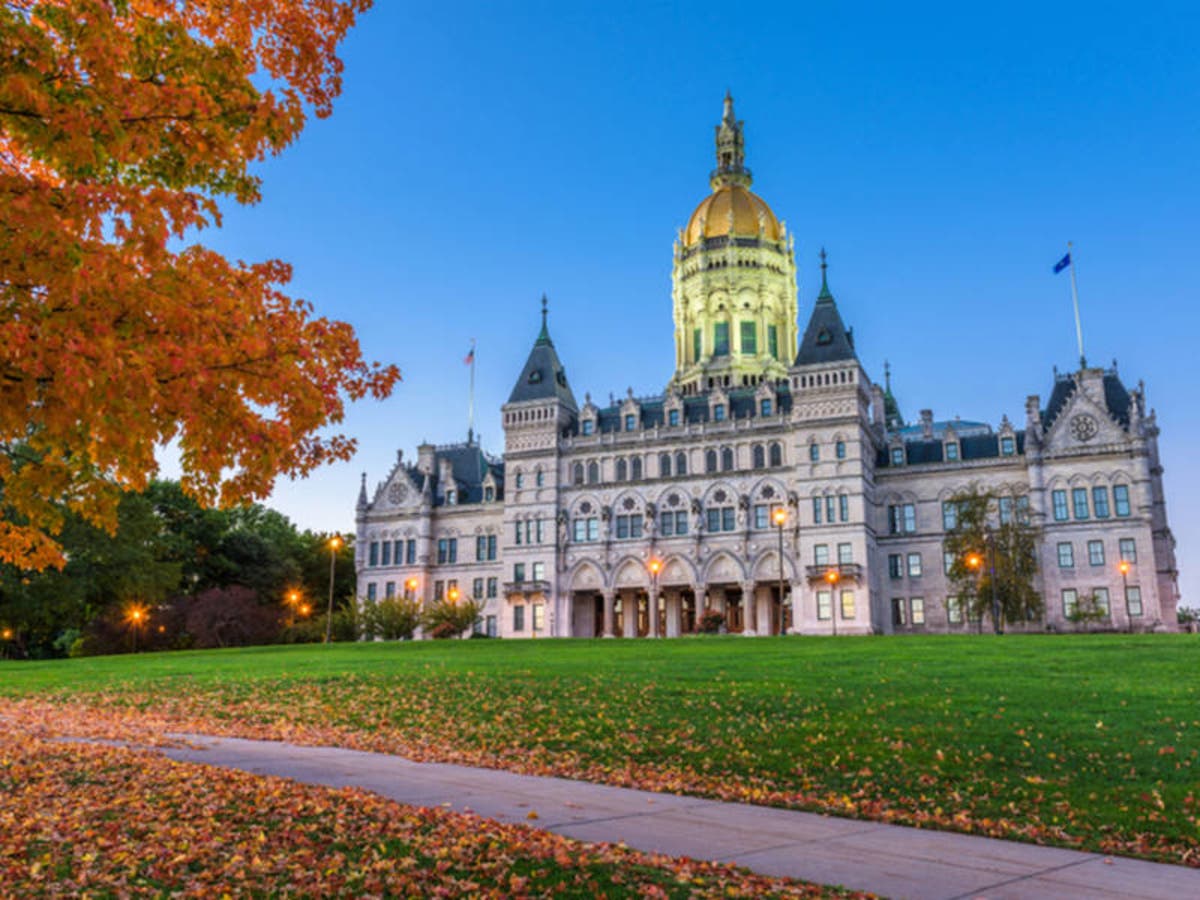
HARTFORD, CT — A tentative budget agreement has been reached between Democratic and Republican legislators Wednesday as the clock ticks down to the end of the regular session at midnight.
Republican and Democratic legislative leaders held a joint press conference late Wednesday afternoon to announce that the deal is nearly complete and that language is being ironed out in the coming hours. Members of the leadership were in high spirits as the deal nears conclusion.
"I think it’s once again another monumental step for the state of Connecticut that a bipartisan deal for the second time in a row… has been reached," said Senate Republican President Pro Tempore Len Fasano.
Find out what's happening in Trumbullfor free with the latest updates from Patch.
The deal includes restoration of funding for a Medicare Savings Program to help senior citizens and the disabled pay for medical care. Funding was also restored to help low income parents get health insurance.
Municipal aid would also be restored to towns.
Find out what's happening in Trumbullfor free with the latest updates from Patch.
"It took compromise on all sides it took true interest in Connecticut on all sides,” said House Speaker Joseph Aresimowicz.
About a billion dollars will go toward fixing Connecticut's highway structure over the next two years as part of the bill.
Getting a bipartisan budget deal together was less of a herculean task this time around than it was in the fall when the state went without a budget for about five months, said Republican House Minority Leader Themis Klarides. Still it was a challenge, she said.
Republicans proposed ending collective bargaining for retirement benefits, removing overtime from pension calculation and cutting cost of living adjustments for those who are vested after the middle of 2027. The proposed changes wouldn’t take effect until the middle of 2027 when the state’s contract with state employees expires.
Aresimowicz said it would be difficult to consider such large changes as the clock winds down to midnight.
Most states don’t negotiate retirement benefits with their workers.
Klarides said that Malloy proved last year that he has no problem making cuts to local aid if a budget isn’t passed on time. She will continue to push for state employee benefit changes in the future, she said.
“I do believe those are important structural changes to move Connecticut forward, but I also understand that we don’t have the votes and the moderate caucuses decided to take a pass in regards to picking anyone’s budget…” she said.
The legislature has been tackling several other bills besides the budget. The House voted 114-35 and the Senate 26-10 to ban bump stocks and other enhancements that increase the rate of fire of semiautomatic weapons. Malloy proposed the law in January.
“I have yet to hear one legitimate reason why anyone needs to own a device that can fire 90 bullets every 10 seconds,” Malloy said.
Legislation will codify practices to improve processing of sexual assault evidence kits in the state. Malloy hailed its passage and said he plans to sign the legislation in the coming days.
The House passed an energy bill 100-45 early Wednesday that will create successor programs for expiring programs such as the solar home renewable credit, zero-emission renewable energy credits and low-emission renewable energy credits. It also changes net metering so the state will pay a more affordable per kilowatt-hour rate. The bill passed the Senate earlier in the week.
An environmental bill that passed the Senate would aim to reduce greenhouse gas emissions by 45 percent from 2001 levels to 2030. The House of Representatives hasn’t voted on the bill yet.
Still some contentious issues were punted for now by legislators. Bills that would've legalized and regulated recreational marijuana and started the process for a Bridgeport casino were killed without a full vote this week. Both made it out of committee earlier in the session.
Electronic tolling would also have to wait at least another year.
Image via Shutterstock
Get more local news delivered straight to your inbox. Sign up for free Patch newsletters and alerts.