Community Corner
Shenipsit Lake Reservoir Levels Still Ahead Of 2016 Drought
Precipitation over the past few days was measured at 2 inches at the Connecticut Water Co.'s Shenipsit Lake Reservoir.


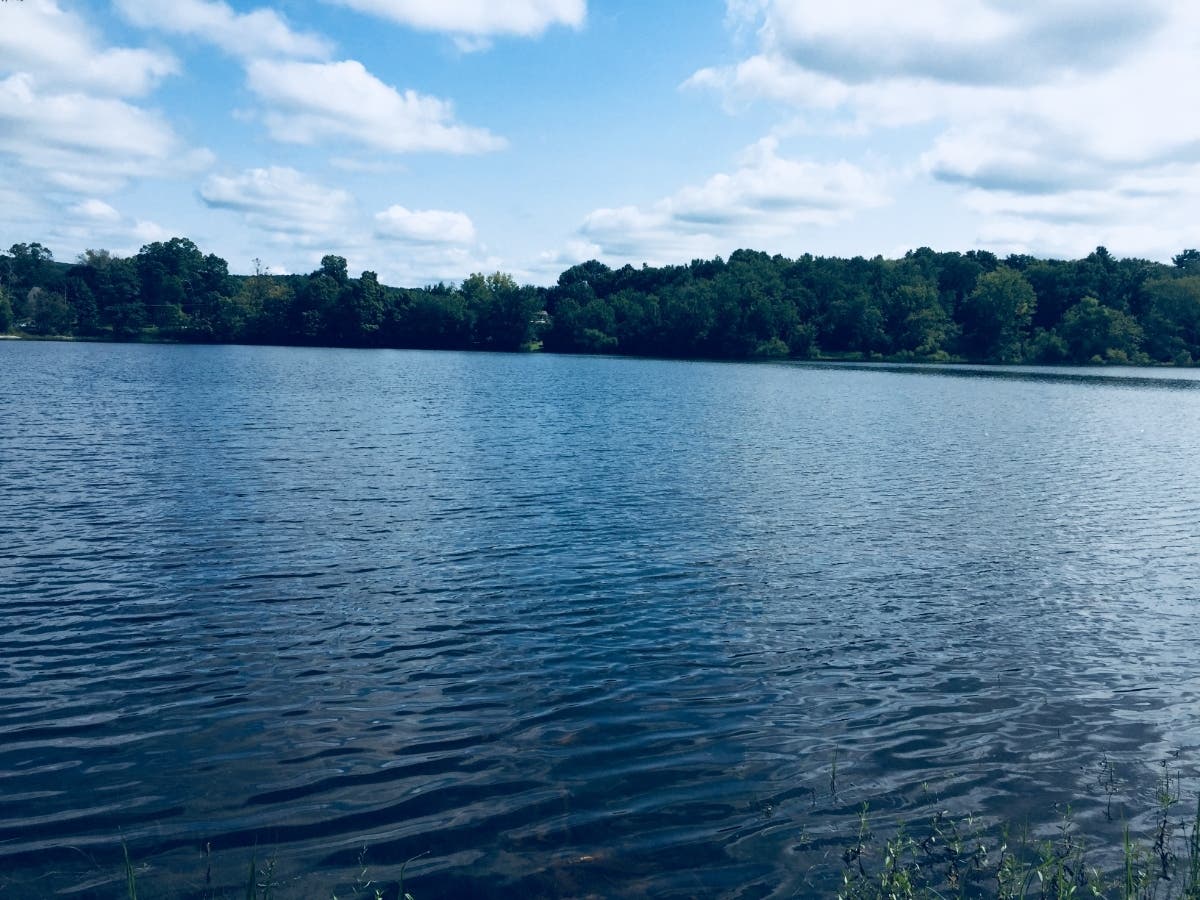
TOLLAND COUNTY, CT — Precipitation over the past few days was measured at 2 inches at the Connecticut Water Co.'s Shenipsit Lake water treatment facility in Vernon.
Shenipsit Lake is the primary reservoir in the region and sits in parts of Tolland, Vernon and Ellington. It has a capacity of 5 billion gallons. The rain should add to the 88 percent capacity measured two weeks ago after torrential rain, officials for the utility said.
According to Connecticut Water spokesman Daniel Meaney, the levels in reservoir are still "lower than in a normal year," but the level was slightly higher at the end of the October compared to the beginning of the month.
Find out what's happening in Vernonfor free with the latest updates from Patch.
The levels are still "quite a bit bit higher" than they were during the last drought in 2016.
A mid-October series of rainstorms added more than 3 inches to the lake, officials said.
Find out what's happening in Vernonfor free with the latest updates from Patch.
Despite the relatively positive assessment, some towns were still urging a conservative approach.
Take Vernon, for example.
"The town of Vernon is closely monitoring the drought situation in Tolland County and state-wide," officials said. "We continue to assess its impact on our residents with input from the State Departments of Homeland Security and Public Health as well as our local water utility company. While the impact on Vernon residents has been minimal, we are reinforcing the State’s current advisory on water conservation for Stage 3 drought conditions."
The recommendations include:
- Ending irrigation of established lawns and limit other outdoor water uses
- Preparing for the use pf alternative water sources in the event wells, farm ponds, fire suppression supplies, or other critical water sources become depleted
- Avoiding burning in or near woodlands or brushlands, and obeying any municipal or state orders for outdoor burning bans
- Where wells are used limiting water use to only essential needs to reduce the chance of well depletion
The reservoir services the towns of Ellington, Vernon, South Windsor, Tolland and Mansfield, Connecticut Water customers in the Rolling Hills system and residents of Storrs Center. The Snip is also supplemental source for the University of Connecticut's water system.
Get more local news delivered straight to your inbox. Sign up for free Patch newsletters and alerts.