Arts & Entertainment
Exploring the Secrets of Weir Farm
Connecticut's only national park opens all of its doors to the public, including the new artist-in-residence studio.
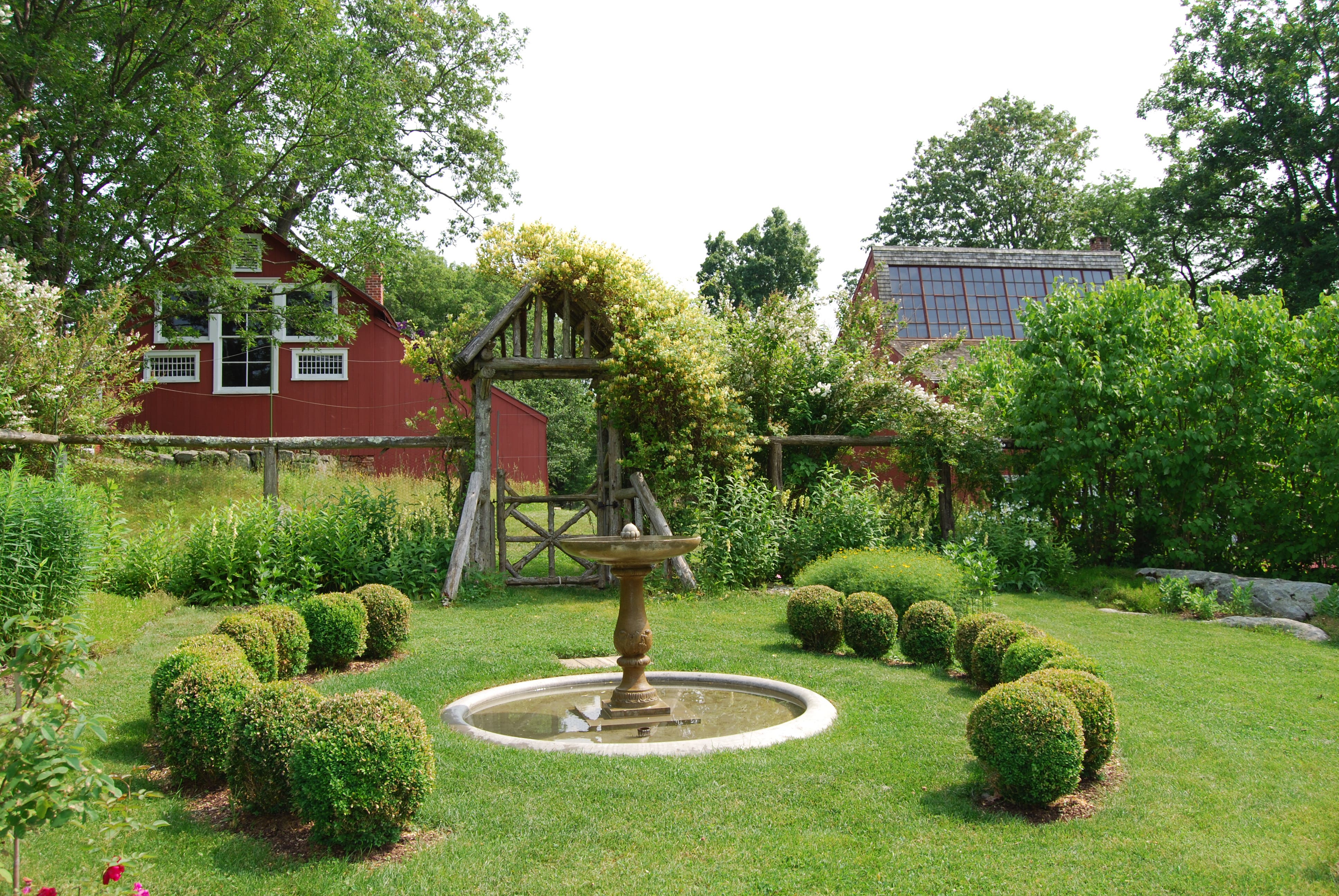


Weir Farm's Open House Day last Saturday welcomed visitors to explore all areas of the historical property, even the ones that are normally restricted.
"Today we opened up all the buildings that are under restoration," said Park Ranger Emily Bryant. Bryant knows all things Weir.
Julian Alden Weir, the man who is considered to be the father of American Impressionism, acquired the farm in 1882, in what was then considered to be the town of Branchville, Connecticut. Life on the 153-acre farm throughout the years was spent creating art of all kinds, often with fellow guest artists, and raising a family on a working farm.
Find out what's happening in Wiltonfor free with the latest updates from Patch.
Weir Farm, which in 1990 became a National Park Service Historic Site, has had a fantastic history of life and generosity during its many years. Some of the buildings were occupied until 2005, so restorations are now beginning and the first of the four-phase plan is complete.
In the Weir House, a new fire suppression/detection system and new heating system were installed and the electrical and plumbing systems were upgraded. The Weir Studio and Young Studio were also part of some of these upgrades.
Find out what's happening in Wiltonfor free with the latest updates from Patch.
Kevin Monthie, an apprentice-level electrician who works at Weir Farm, explained the new systems' "green" potential.
"It's capable of doing 95% biodiesel," said Monthie.
Unfortunately, there aren't enough suppliers in the area so it won't be quite that efficient in the beginning.
"The system is about as efficient as it can get," he said.
Geothermal was not a possibility because an excessive amount of digging would have been required and it would have disturbed the landscape.
In addition to inviting visitors to explore the historic buildings and grounds, it was also a day for the public to check out the new Artist-In-Residence Studio. The building was designed by Faesy-Smith Architects of Wilton. Both architect A. Robert Faesy and the current resident artist were there to talk to the public about the new creative space.
"It's a nice studio, I work well in here," said South African-born artist Paul Balmer.
Balmer's fluffy-treed landscapes hung on the walls next to sharp cityscapes. The large windows of the studio and high ceilings create the perfect lighting for an artist to jump into that creative place and let loose. Morning tea on the balcony listening to tree frogs and spotting wildlife is right there for the artists lucky enough to be chosen to utilize the space. Balmer will spend a month painting in the studio and will end his stay with an Exhibition/Reception in the Wilton Library's Brubeck Room on June 29.
The year 2012 is the anticipated unveiling of the finished property, which will be fully restored.
"There were over two-hundred thousand objects here," said Park Ranger Cassie Werne. Phase IV will be putting the furnishings back in their rightful places. Sixty percent of the original furnishings they have and the other forty percent is currently being restored.
Weir Farm has a variety of activities and the grounds and gardens are magnificient to walk around, relax and, if the mood strikes you (which it most likely will) create art. For more information visit www.nps.gov/wefa/index.htm. To register for Paul Balmer's exhibition go to www.wiltonlibrary.org.