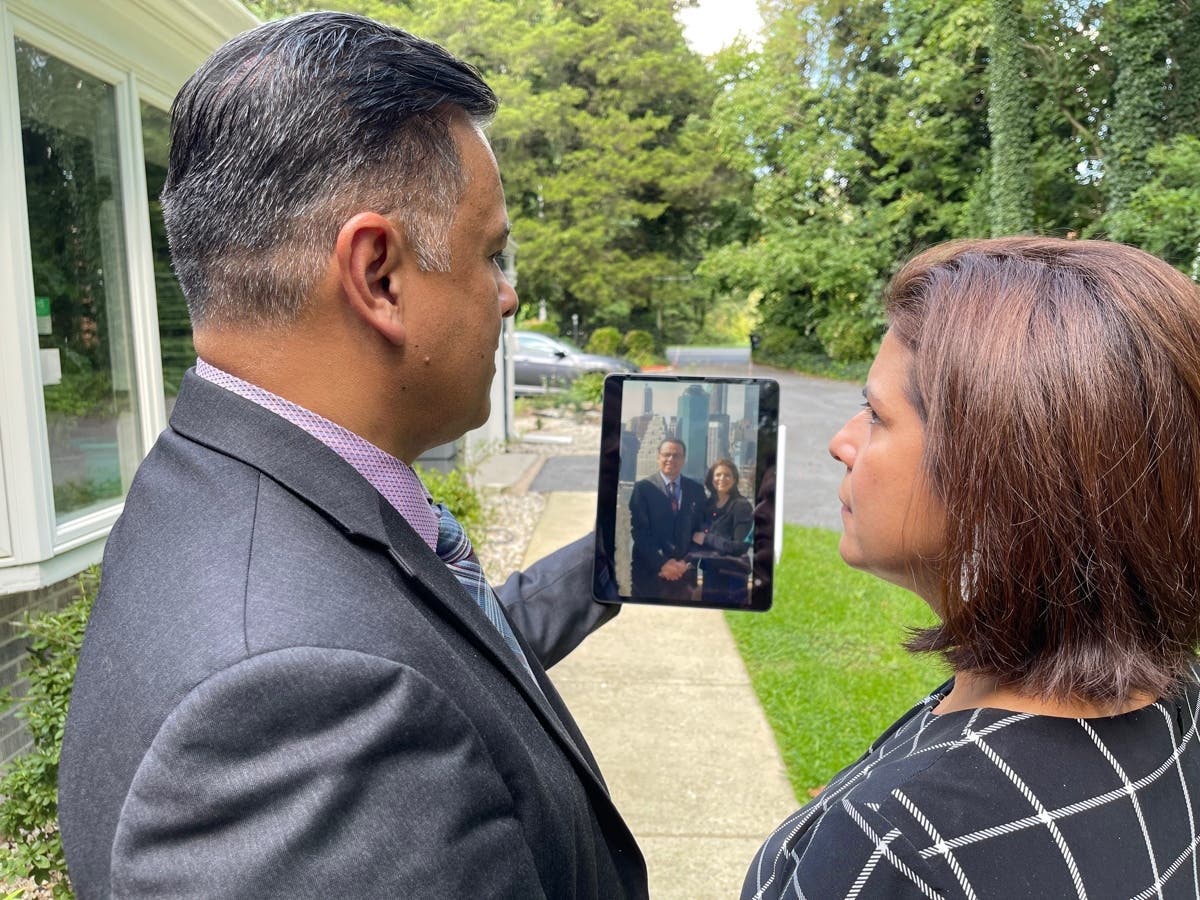
Manuel Casas can never erase what he saw that day from his mind.
Facing the window of his Brooklyn office, he sat at his desk stunned. “I had a clear view of the twin towers and I remember seeing the ball of fire that erupted after the first plane hit,” he said.
Casas, now of Dover, Delaware, recalled seeing the U-turn of a second plane and reasoned that help had arrived. But his hopes were quickly shattered when he watched it disappear into the south tower. “I felt a knot in my throat and heard someone shout, ‘What just happened, Manny?’”
Find out what's happening in Wilmingtonfor free with the latest updates from Patch.
Although unable to recall the rest of the day, 20 years later Casas never forgot the fear and uncertainty that followed. His wife, Susan, said, “When I saw the smoke-filled city, I immediately called my family. And I prayed and prayed.”
Relief came to the Casas by reaching out to help others who were struggling as they were.
Find out what's happening in Wilmingtonfor free with the latest updates from Patch.
Walking down the once busy streets with their Bibles in-hand, the Casas were eager to share scriptural words of comfort. “People would lock their eyes on us, expecting us to read them a scripture,” said Susan. “And we did. It brought so much comfort to us to receive them with open arms.”
The ministry that they shared in for years as Jehovah’s Witnesses took on a new role for them and many others.
Helping others has long been linked to better emotional well-being in psychology research. The book “The Healing Power of Doing Good: The Health and Spiritual Benefits of Helping Others” describes “powerful” effects, even for helpers who’ve experienced trauma themselves.
Trauma was all too common among the many volunteers at Ground Zero. Roy Klingsporn, a Brooklynite who volunteered at Ground Zero nearly every day for two months, recalled on one occasion approaching a man who sat slouched in a golf cart near the site's makeshift morgue.
“When I asked him how he was doing, he burst into tears,” said Klingsporn, now of Fort Lauderdale, Florida. “He said, ‘I’m tired of picking up body parts.’”
Within days of the attacks, Jehovah’s Witnesses set up teams that spent hours each day in Lower Manhattan, Bible in hand, consoling everyone from the families of victims to first responders battling physical and emotional exhaustion. It was a work that changed how the organization approaches disasters, with an organized comfort ministry now being an integral part of its response to natural disasters and even the pandemic.
Recalling the gut-wrenching days he spent as one of those volunteers near the smoldering remains of the Twin Towers still stirs deep feelings in Robert Hendriks.
“It was very emotional and extremely difficult for me, but the faces of those I passed on the street said it all,” said Hendriks, now U.S. spokesman for the Witnesses. “They needed comfort, and the best thing I could give them was a hug and a scripture.”
For Brown “Butch” Payne, the events of September 11, 2001, tore open old wounds, bringing back vivid wartime memories the Vietnam veteran had tried to forget.
From his East Village apartment, Payne recalled the crowds of frantic people streaming north from Lower Manhattan. “That sight stirred up a lot of emotions in me,” he said. “It shook me to the core.”
Payne found relief in rendering aid the best way he knew how. “Sharing the Bible’s message of hope softened the blow for me,” he said.
Offering a shoulder to cry on brought Klingsporn comfort too. “It was satisfying to be of help to my community,” he said.
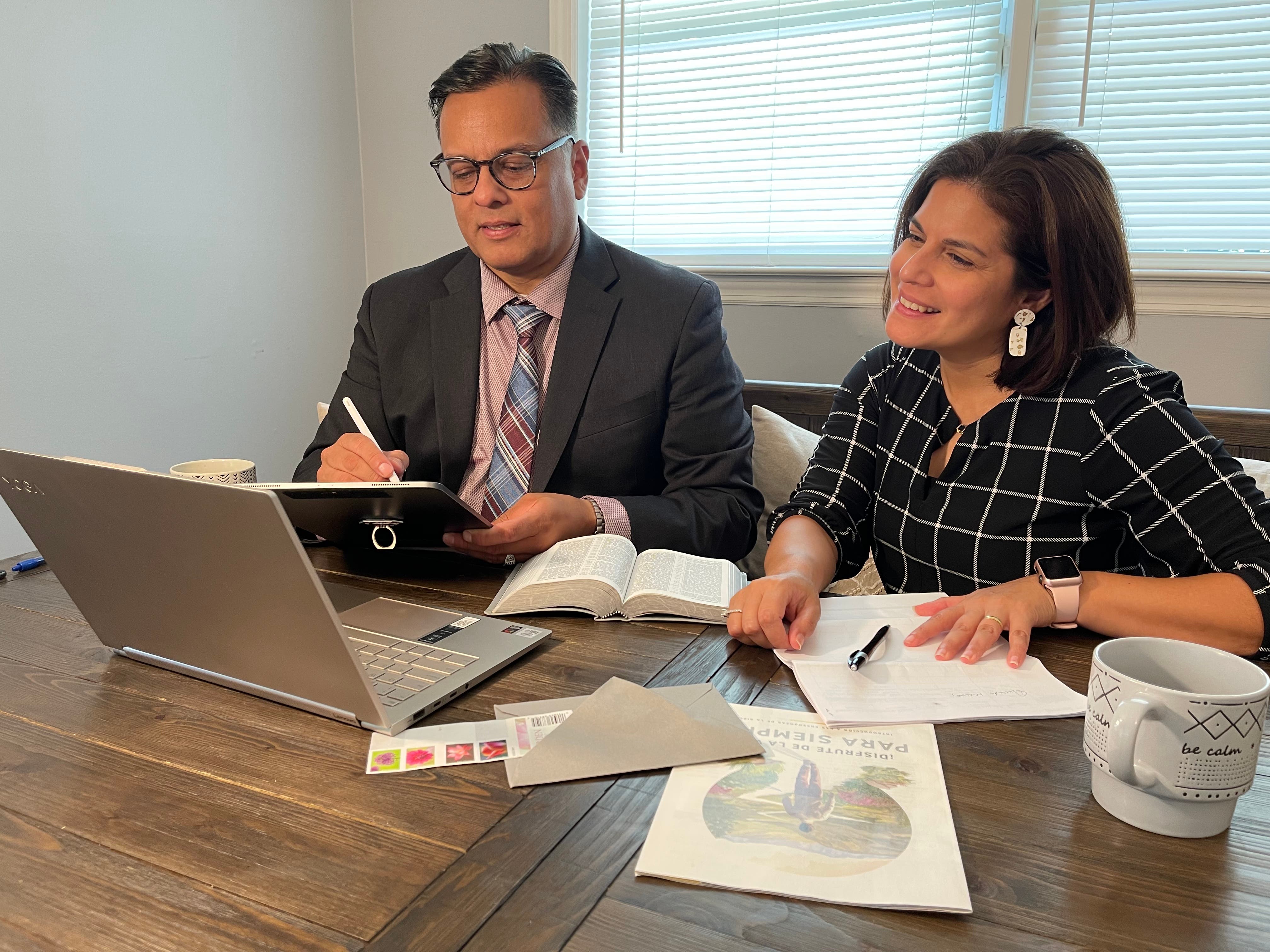
Two decades later, the Casas continue to find comfort from reaching out — this time in talking with pandemic-stressed neighbors.
“What helped us through 9/11 is the same thing that helps us to cope now- our ministry,” said Manuel. Now, the Casas do so through letters and telephone calls instead of going door to door. Jehovah’s Witnesses paused their in-person preaching in response to the pandemic in March 2020.
Payne feels the same. In 2016, after 50 years of marriage, he lost his beloved wife to cancer. On days when his grief feels overwhelming, Payne writes heartfelt letters that lift his neighbors’ spirits — and his own. He shares scriptures and resources that have helped him, like articles on coping with trauma and loss on jw.org, the official website of Jehovah’s Witnesses.
“Encouraging others to look to the future helps me to do the same,” he said.