Neighbor News
Winter Safety Tips for Dementia Caregivers
Winter weather conditions-cold, snow and ice and early darkness-can be challenging for more than 46,000 Delaware dementia caregivers.

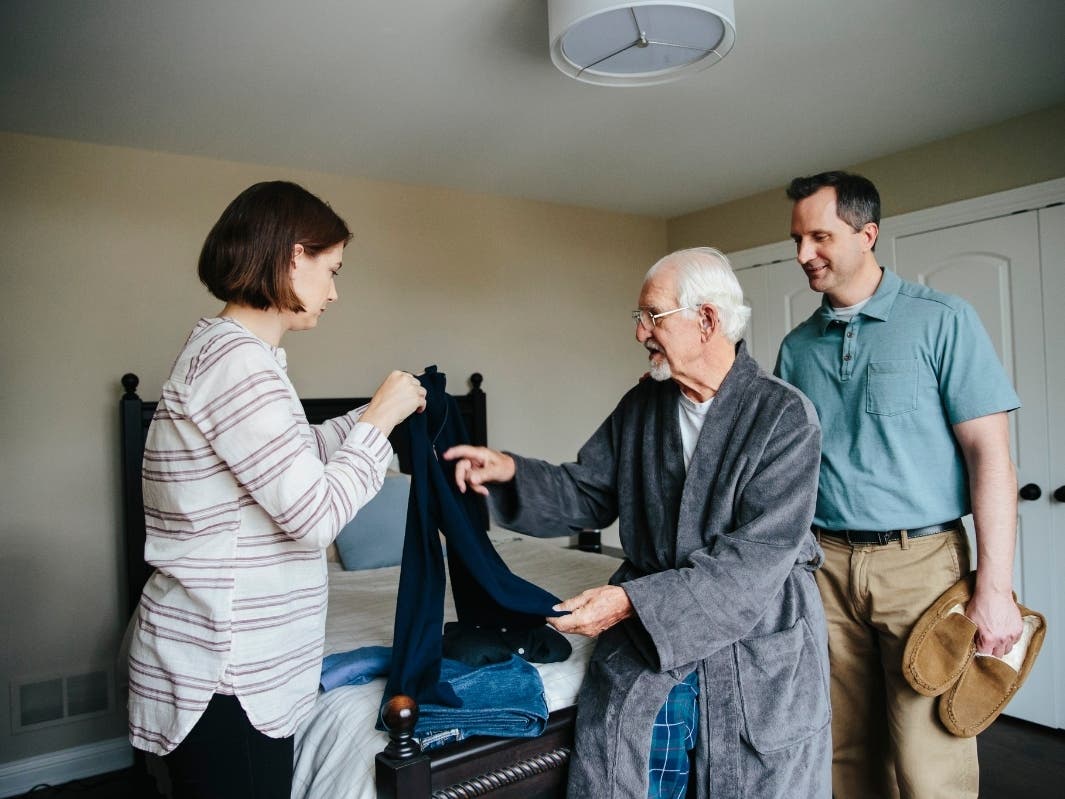
The arrival of snow reminds us that winter is here, and with it comes more potentially challenging situations for the 46,000 people who provide care for the 19,000 Delawareans living with Alzheimer’s or another dementia.
“Winter weather conditions, combined with the continuing pandemic and worries over wandering, can leave caregivers feeling overwhelmed,” says Kristina Prendergast, Manager, Programs for the Alzheimer’s Association Delaware Valley Chapter. “With some advanced preparation, caregivers can make a big difference in keeping their loved ones safe and their concerns at bay.”
The Alzheimer’s Association offers these winter safety tips to assist Alzheimer’s and dementia caregivers:
Find out what's happening in Wilmingtonfor free with the latest updates from Patch.
- Be prepared. Winter storms can be dangerous. Check weather conditions regularly and have emergency plans in place. For example, if a snowstorm is predicted, consider rescheduling appointments that are not urgent and tackle to-do lists in one trip.
- Bundle up. When preparing to go outdoors, help the person living with Alzheimer’s dress warmly in dry, loose-fitting layers that cover as much exposed skin as possible. Add a hat, scarf and mittens, which may be easier to get on and off than gloves.
- Prevent slips. Balance and mobility can be a challenge, and perception problems can make it difficult for the person living with dementia to see ice on sidewalks or realize that ice is slippery or that snow is not a solid surface. Keep sidewalks and driveways clear and utilize handrails or walk arm-in-arm where possible.
- Prevent wandering. It is estimated that 6 in 10 people with dementia will wander and become lost at some point, and many do so repeatedly. Wandering is one of the most frequent and challenging problems facing caregivers and can be extremely dangerous in colder conditions. Shorter days during winter months can also increase the risk of agitation or restlessness as day transitions into night (also referred to as sundowning), and may increase the risk of wandering outdoors. Be aware of mood changes and ensure doors and windows are secured. If a family member does wander and gets lost, begin your search immediately. If after 15 minutes the person is not located, call 911 to file a missing person’s report alerting police that the individual has dementia and is a vulnerable adult.
- Make daylight last. Because visual perception can be a challenge for those living with dementia, caregivers may observe increased confusion or disorientation in dark or shadowy environments, both inside and out. To help alleviate sundowning, turn on indoor lights earlier in the day or install timers, open curtains during daylight hours and consider installing motion detectors to illuminate walkways around the home.
- Know where to turn for help. An Alzheimer’s Association survey reports 84 percent of caregivers said they would like more support in providing care for someone with Alzheimer’s or another form of dementia. Don’t be afraid to seek help. Start by asking friends and family to help with errands, grocery shopping or snow/ice removal. Additionally, the Alzheimer’s Association 24/7 Helpline (800.272.3900) is available around the clock, 365 days a year. Through this free service, specialists and master’s-level clinicians offer confidential support and information to people living with dementia and their caregivers and can provide additional information on sundowning, wandering, general safety and more.
Alzheimer's Association®
The Alzheimer’s Association is a worldwide voluntary health organization dedicated to Alzheimer’s care, support and research. Its mission is to lead the way to end Alzheimer's and all other dementia—by accelerating global research, driving risk reduction and early detection, and maximizing quality care and support. Visit alz.org or call 800.272.3900.