Neighbor News
3 Branches of Government: Where does Animal Protection Stand in 2022?
While the legislative and executive branches have failed animals in 2022, the Supreme Court will hear its most important case for animals

I live in the shadow of the U.S. Capitol, only three blocks away. Over the past few years, COVID-19 and the events of January 6th have made it a dreadful place to live and work. But if you’re going to be an effective lobbyist, remaining close by is a must. Only in the last couple of days has the U.S. House of Representatives opened its doors to the public without appointment, and I’m hopeful things are getting better for everyone.
That said, our work at Animal Wellness Action continues unabated, and we remain relentless in our efforts to make change. We’ve finally turned the corner and been able to build a bipartisan movement for animal protection in the past few years, despite a wide range of challenges placed in front of reform on a daily basis.
A substantial number of bills have passed one chamber or the other, but no major bill has made it all the way through Congress and been signed into law. The Biden Administration has largely ignored animal protection issues and has failed to act on finalizing regulations that could end countless abuses. It also has sided with the factory farming industry against animal welfare and food safety groups in urging the Supreme Court of the United States to overturn the most important animal protection state law in the nation: California’s Prop 12. That voter-approved ballot initiative mandates that eggs, pork, and veal sold in the state come from farms that don’t keep the animals in extreme confinement.
Find out what's happening in Washington DCfor free with the latest updates from Patch.
That said, we are by no means down or out. Momentum is building toward a more humane nation and economy, and we’re hopeful more good outcomes for animals may soon come. Here’s how it’s looking in our three branches of government.
THE 117TH CONGRESS
Find out what's happening in Washington DCfor free with the latest updates from Patch.
The most meaningful action we’ve seen in the legislative branch came last week with the U.S. Senate’s passage of the FDA Modernization Act 2.0, S. 5002. The bill would eliminate the requirement that drugs submitted for its approval first be tested on animals. The Depression-era mandate not only harms or kills millions of animals a year, it meaningfully protracts the approval process, adds significant cost to the development of medicine, and, worse for patients, is notoriously unreliable in predicting how the pharmaceuticals will impact human bodies. The passage of this reform by Unanimous Consent in the Upper Chamber comes as a result of the leadership of a very odd couple—Sens. Rand Paul, R-Ky., a medical doctor by trade, and Cory Booker, D-N.J. —and a raft of unlikely allies that is refreshing to see.
Also backing the bill: Sens. Mike Braun, R-Ind., Susan Collins, R-Maine, Angus King, I-Me., Roger Marshall, R-Kansas, Alex Padilla, D-Calif., Mike Crapo, R-Idaho, Bernie Sanders, I-Vt., Ben Ray Lujan, D-N.M., Tommy Tuberville, R-Ala., and Rick Scott, R-Fla, who cosponsored the bill. A previous version of this legislation was also introduced by Paul and Booker with Sens. John Kennedy, R-La., Marco Rubio, R-Fla, Mike Lee, R-Utah, and Tim Kaine, D-Virg., cosponsoring that version, S. 2952. The newer version of the bill was introduced as a result of careful discussions, negotiation, and improvement to include the Reducing Animal Testing Act led by Lujan. And I must say the passage of this bill is perhaps the greatest coup the animal protection space has ever seen in the U.S. Senate.
It’s now up to the U.S. House, the chamber closest to the American people, to act and send this important legislation to the President’s desk to be inked into law. House Energy and Commerce Committee Chairman Frank Pallone, D-N.J., and Ranking Member Cathy McMorris Rodgers, R-Wash., are the two key individuals whom Speaker Nancy Pelosi, D-Calif., Majority Leader Steny Hoyer, D-M.D., and Minority Leader Kevin McCarthy, R-Calif., will give the most weight for consideration of bringing the measure to a vote. We’re going to need your help contacting House Members and asking them to usher the measure to passage. Please take action here.
Next on the legislative front is the widely publicized Big Cat Public Safety Act, H.R. 263. Carole Baskin of “Tiger King” fame has become a great friend and coalition partner, joining us many times on the Hill to help lobby for the bill’s passage, which would ban the practice of “cub petting” and prevent future private ownership of dangerous big cats in the U.S.
The bill passed the House in late July, but three Senators put a hold on the measure when it hit the upper chamber. We’ve worked through two of those holds, but one still remains, from Sen. James Lankford, R-Okla. Now, he alone is the sole person on the planet preventing the legislation from being signed into law. We are hopeful that he will come around and see the humane and public safety basis of this legislation, especially because Oklahoma has long been “ground zero” for big cat chaos.
The FDA Modernization and Big Cat Public Safety Acts stand a strong chance of enactment, but we have to get them over the finish line if we are going to make meaningful change for the voiceless we all care so deeply about.
Other legislation that’s seen some action this year includes the Prevent All Soring Tactics (PAST) Act, which has been kicked around for the better part of a decade, and Save America’s Forgotten Equines (SAFE) Act, around in one form or another for the last quarter century. Both continue to face small but determined opposition, but at least they are experiencing some movement in the House Energy and Commerce Committee for the first time in years.
THE BIDEN ADMINISTRATION
Though hardly a profile in courage on animal welfare issues, President Biden has publicly signaled he’ll sign the Big Cat Public Safety Act into law if Lankford releases his hold and the Senate clears the bill.
Unfortunately, that’s the only aspect of animal protection this Administration has reinforced or supported. We continue to see record numbers of cruel and wasteful mass helicopter roundups of our iconic American wild horses and burros located on federal lands; failure to address the use of lead ammunition on federal lands that continues to poison and kill countless eagles and other vulnerable wildlife; trophy hunting imports of threatened and endangered species; and the CDC’s implementation of a ban on dog imports from 113 countries that’s caused diplomats, military, and hundreds of U.S. citizens to be separated from their pets.
Just yesterday, Agriculture Secretary Tom Vilsack, who’s long disregarded animal welfare and been very closely aligned with factory farming interests, extended the deadline for comments on the USDA’s proposed Organic Standards Rule – which would impact millions of animal lives – in an effort to appease industrial egg producers who’ve been selling eggs under the current label that misrepresents laying hens’ access to outdoor space. Now hens producing “organic,” cage-free eggs are raised in caged concrete porches instead of having room to roam, as many consumers mistakenly believe to be the case. Animal Wellness Action has been working together with the Organic Trade Association on this issue and we will continue to press Vilsack and his cohorts to finalize these regulations.
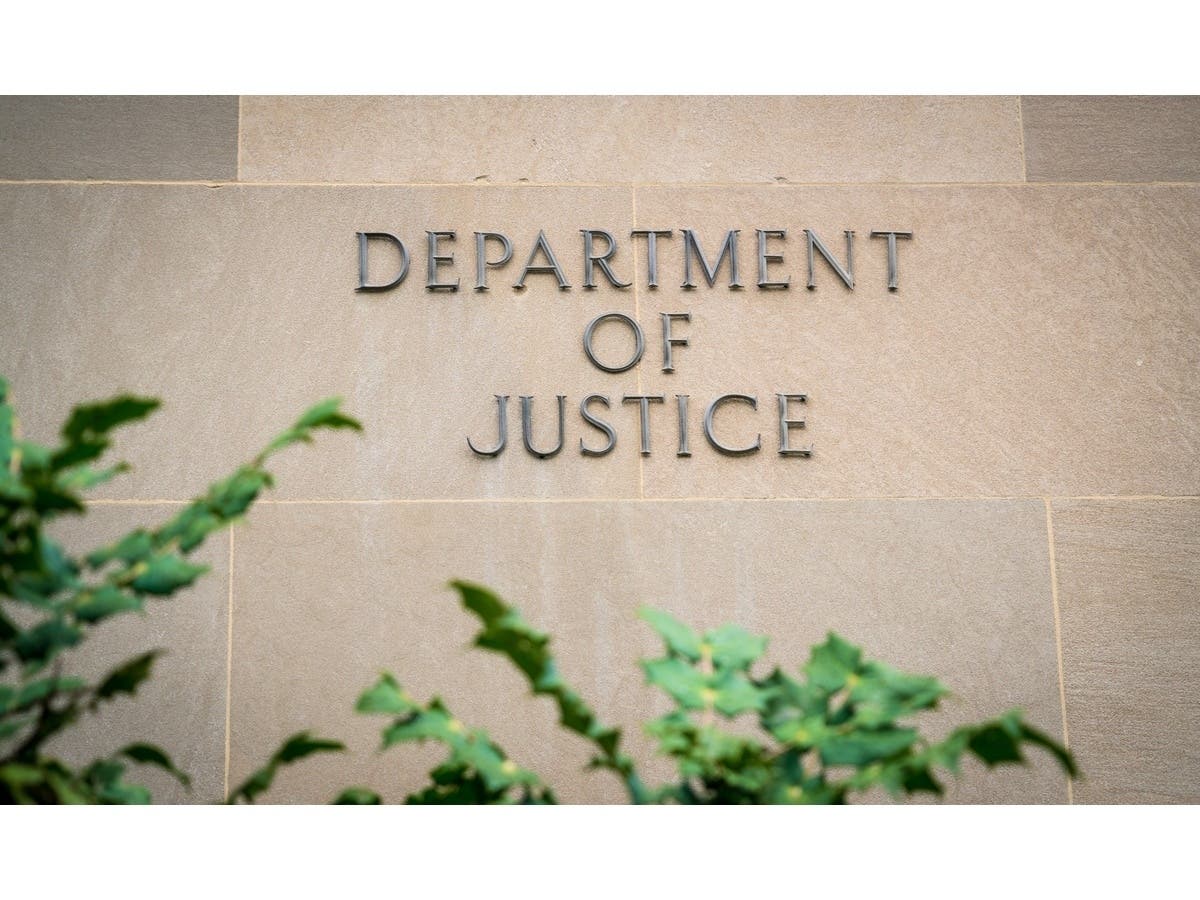
Furthermore, U.S. Attorney General Merrick Garland is acting against the interests of Tennessee Walking Horses, who are subject to painful soring methods in order to produce the exaggerated “Big Lick” gait still prized at some horse shows, by trying to stop the implementation of an Obama-era regulation that would end the use large, stacked shoes and ankle-chains. Those medieval devices exacerbate the pain caused by caustic chemicals and sharp objects applied to the horses’ hooves, which cause the animals to defensively adopt their high step in the ring. Obama wasn’t the first president to try to make some movement for relief for these horses: the regulation was first mentioned in the federal register in 1979, about three months before I was born, and it’s still an uphill battle to get some relief for the horses.
If President Biden wants the support of animal lovers and animal protection advocates in the next election, he better do something big and do it quickly.
THE SUPREME COURT
No matter where you stand on the issues, I think we’d all agree that recent SCOTUS decisions on overturning Roe v. Wade and limiting the EPA’s power to curb emissions and act on climate change, and its talks of limiting birth control, have further fueled the political rhetoric in Washington and broadened the gap between Democrats and Republicans.
Tuesday morning, SCOTUS will hear opening statements in the lesser-known case of the National Pork Producers Council and American Farm Bureau Federation v. Karen Ross, California’s Secretary of Agriculture. The lawsuit seeks to overturn a 2018 California ballot measure conceived by my colleague, Wayne Pacelle, that 63 percent of California voters supported. The immobilization of breeding sows in gestation crates is at the heart of Prop 12, which also addresses the confinement of veal calves and egg-laying hens. Consumers clearly don’t want inhumane products on the shelves of their stores.
“If the justices pay careful attention to the lapidary arguments made not only by our attorneys and veterinarians and 27 other amicus presenters, they’ll reject the NPPC challenge. They also must pay close attention to the long roster of federal judges who have turned away 10 prior federal court cases initiated by the NPPC and its allies, including their most recent cases against Prop 12 in federal district courts in California and in Iowa, and then before the U.S. Court of Appeals for the Ninth Circuit,” Pacelle wrote in a blog published earlier this week.
Animal Wellness Action, the Center for a Humane Economy, and our allies crafted a very carefully constructed amicus brief in the case, as did our colleagues Dr. Jim Keen, DVM, Ph.D., and Dr. Tom Pool, DVM, in a separate offering that makes the case from the veterinary perspective.
SCOTUS has the opportunity to make lasting change for animals, uphold the will of the voters in the Golden State, and reinforce states’ abilities to regulate products being marketed in within their borders. It’s an issue of states’ rights if there ever was one.
No matter where the chips fall on each of these issues within our three branches of government, we’re going to update you with reports from inside the beltway and keep up the good fight. We hope you’ll stick with us through it all and take a deeper dive into our work here at www.animalwellnessaction.org.
Marty Irby is the executive director at Animal Wellness Action in Washington, D.C. who was named one of The Hill’s Top Lobbyists for 2019-2021 and honored by Her Majesty Queen Elizabeth II in 2020 for his work to protect animals. Follow him on Twitter and Instagram @MartyIrby.