Neighbor News
Big Cat Public Safety Act heads to House floor
Bill to ban private possession, public contact, increase restrictions on the breeding, trade, and exploitation of big cats, passed committee

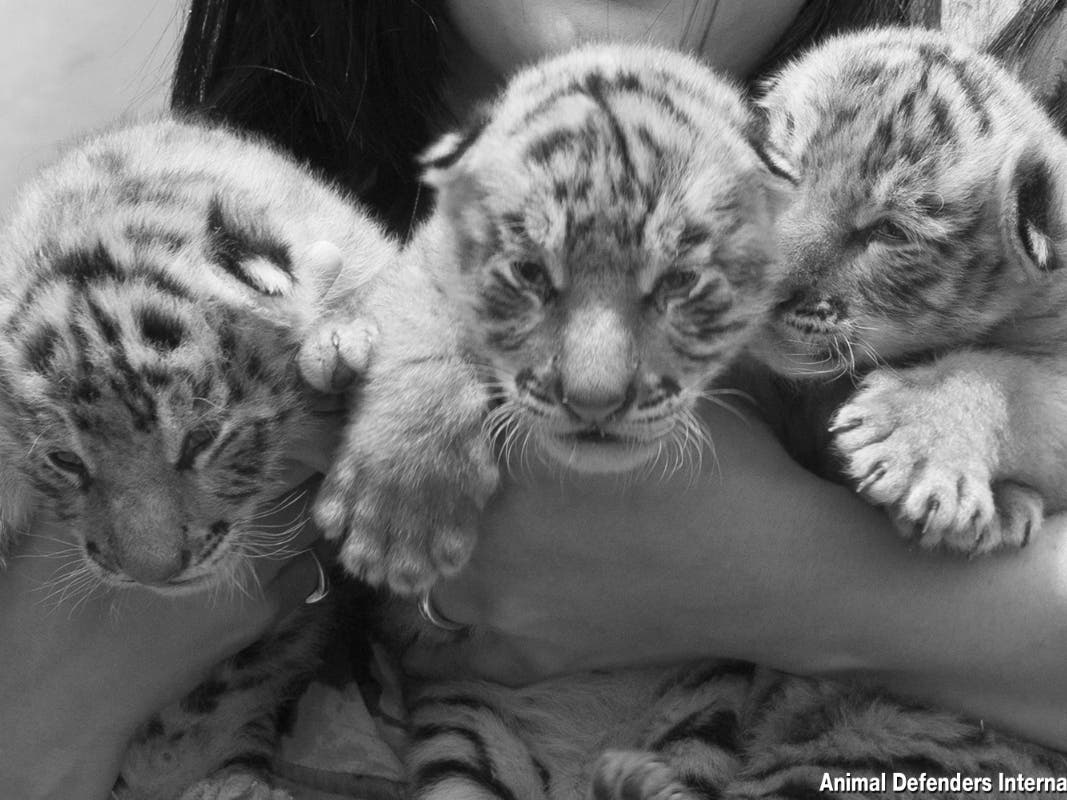
The US House Natural Resources Committee has voted 25-17 to pass the Big Cat Public Safety Act (BCPSA, HR263), sponsored by Representative Mike Quigley. HR263, and the Senate companion bill S1210, sponsored by Senator Richard Blumenthal, seek to ban private possession and public contact with certain big cats (lions, tigers, cheetahs, jaguars, cougars, and certain leopards, as well as hybrids), and to increase restrictions on their breeding, trade, and exploitation.
“I have been working on this legislation for over 3 years and we are now one step closer to seeing it become law. Over the years, the world has seen the dangers of owning big cats, not just for the animals themselves but for the communities in which they are kept. When these big cats escape, first responders are put in immense danger. My legislation will bring an end to housing big cats in inhumane, unsafe conditions and will keep neighborhoods and law enforcement safe,” said Rep. Quigley. “I am grateful to the committee for moving this bill forward, and hope it will soon come to the floor of the House of Representatives so it can receive the vote it deserves.”
Animal Defenders International (ADI) is calling on the public to support the bill, which is narrowly drawn as it attempts to strike a line between backyard breeders, and those recognized and accredited as Species Protection Programs, ex situ conservation at accredited zoos, and those wildlife sanctuaries meeting standards similar to the Global Federation of Animal Sanctuaries (i.e. no commercial trade, breeding, direct contact, or offsite exhibition).
Find out what's happening in Washington DCfor free with the latest updates from Patch.
Netflix’s Tiger King turned an animal abuser into a cult figure, sending people flocking to his appalling zoo. The cruelest scene in Tiger King shows Joe Exotic using a metal bar to drag babies from a tiger while she was giving birth. The damage to these babies and their mothers was ignored as the show gloated over the sordid scenes. Although this ugly show glorified animal abuse, it has motivated many to take action and help move BCPSA forward.
ADI President Jan Creamer said: “Our thanks to Representative Quigley for sponsoring this important legislation to ban the backyard breeding and private ownership of these magnificent animals. It is time to put an end to the horrific scenes of babies ripped from their mothers at birth, and tiny cubs passed around as photo props. Truly a life of misery for big cats.”
Find out what's happening in Washington DCfor free with the latest updates from Patch.
These animals are deprived of all that is natural to them—pulled from their mothers too soon, to endure a life of severe confinement, constant travel, overbreeding, and physical abuse. Once they’ve grown too old or too big to exploit in the hands of an unknowing public, they may be relegated to substandard facilities or disappear altogether. Currently, there is no tracking of cats bred, traded, or dying in the US.
True conservation demands that we teach future generations what a wild animal really is, and that is not a leashed prop, plaything, or status symbol to serve human vanity, perpetuating misconceptions that endanger humans and animals, and fueling the trade and trafficking that’s destroying these species.
The bill will now head to the floor for a vote by the full House of Representatives.