Neighbor News
A Christmas Message from the Founding Church of Scientology of Washington, DC
Exploring the timeless themes of Christmas and their relevance in today's world.

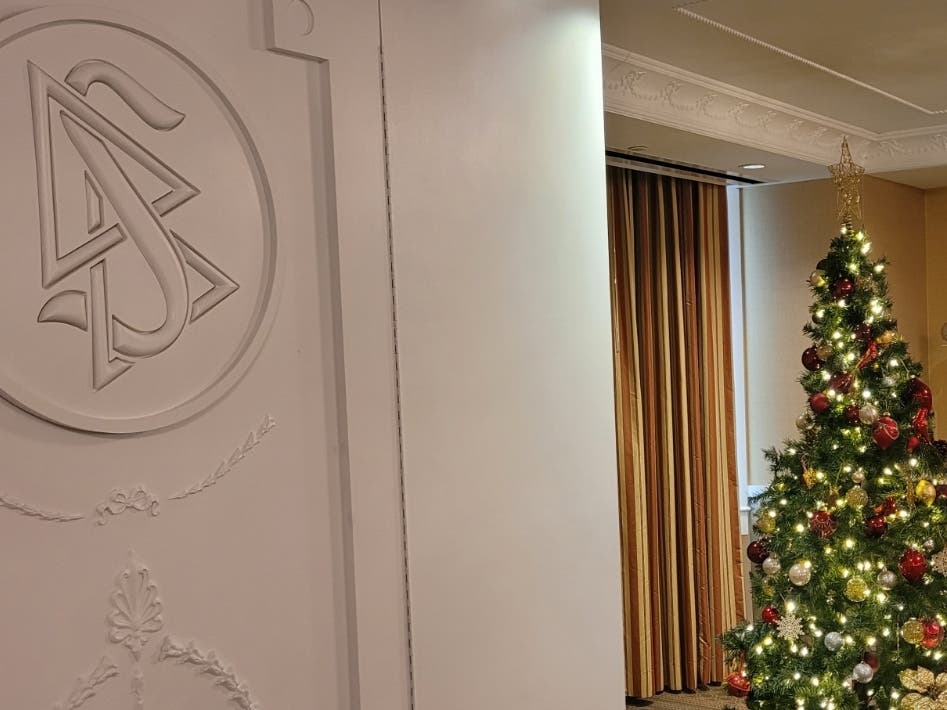
Christmas is one of the most widely celebrated holidays in the world, yet its meaning has been shaped over centuries of history, culture, and human experience. While customs have evolved, the central themes of Christmas—light in darkness, renewal, goodwill, and hope—have remained remarkably consistent.
At the Founding Church of Scientology of Washington, DC, Christmas is recognized both as a historic tradition and as a timeless reminder of mankind’s shared values and boundless potential.
The Early Roots of Christmas
The celebration of Christmas dates back to the early centuries of the Common Era. By the 4th century, December 25 was established as the observance of the birth of Christ, aligning with earlier seasonal traditions marking the return of light after the winter solstice.
Find out what's happening in Washington DCfor free with the latest updates from Patch.
This timing was significant. Across ancient civilizations, the darkest days of winter symbolized hardship and uncertainty, while the gradual lengthening of daylight represented survival, hope, and renewal. Early Christmas observances absorbed this symbolism, transforming it into a spiritual celebration centered on peace, compassion, and redemption.
Medieval and Renaissance Christmas: Community and Continuity
During the Middle Ages, Christmas evolved into a deeply communal occasion. Churches, town squares, and homes were illuminated with candles, greenery, and song. Evergreens symbolized life enduring through winter’s harshest conditions, while feasting and charity strengthened bonds between families and neighbors.
Find out what's happening in Washington DCfor free with the latest updates from Patch.
These traditions established Christmas as more than a religious observance—it became a social one. It was a time when divisions were set aside and shared humanity took precedence.
Victorian Christmas and the Traditions We Know Today
Many of today’s familiar Christmas customs—decorated trees, greeting cards, gift-giving, and a focus on family—were popularized during the 19th century, particularly in Victorian England. Christmas became a season of reflection on moral responsibility, kindness, and care for others, themes echoed throughout the era’s literature and art.
By this time, Christmas had clearly become something greater than any single culture: a universal expression of goodwill.
The Enduring Symbols of Christmas
Across centuries, the symbols of Christmas have endured because they speak to fundamental truths about life:
- Light represents awareness, understanding, and hope.
- Evergreen trees symbolize survival and continuity.
- Gifts reflect generosity and consideration for others.
- Gatherings affirm the importance of family and community.
These themes closely align with the principles found in Dianetics and Scientology—particularly the understanding that life improves when individuals gain greater awareness and act with responsibility toward others.
L. Ron Hubbard on Christmas and Goodwill
Scientology founder L. Ron Hubbard honored the great religious leaders of the past for the wisdom they brought to the world, writing that Scientology shares “the goals set for Man by Christ, which are wisdom, good health and immortality.” It is in this spirit that Scientologists celebrate the holiday season, whether Christmas, Hanukah, Kwanzaa or any other religious or cultural tradition.He also emphasized that lasting happiness and fulfillment come from improving one’s own life and contributing positively to others:
“The greatest gift you can give another is your own personal happiness.”
These statements reflect a consistent theme throughout his work—that goodwill is not abstract, but something created through personal responsibility, integrity, and care for others. Mr. Hubbard further observed:
“A civilization without insanity, without criminals and without war, where the able can prosper and honest beings can have rights, and where Man is free to rise to greater heights, are the aims of Scientology.”
In this sense, Christmas serves as a reminder of what humanity can achieve when understanding and compassion guide action.
Christmas as Renewal, Not Just Tradition
Throughout history, Christmas has endured because it offers renewal—not only of tradition, but of purpose. It invites individuals to pause, reflect, and realign with values that elevate both personal life and society as a whole.
Dianetics and Scientology are founded on the belief that individuals can improve their condition and, by doing so, help improve the world around them. This aligns naturally with the historic spirit of Christmas: a season encouraging reflection, reconciliation, and forward progress.
A Christmas Greeting from the Founding Church of Scientology of Washington, DC
This Christmas season, the Founding Church of Scientology of Washington, DC extends warm wishes to our neighbors, community leaders, and friends throughout the District and beyond.
May the light of the season bring understanding where it is needed, hope where it has dimmed, and renewed purpose for the year ahead. May goodwill, honesty, and respect for life guide us—not only during the holidays, but throughout the coming year.
Merry Christmas, and best wishes for a peaceful and prosperous New Year.