Politics & Government
George Floyd's Death Creates Moment Of Change For PG County
Two Prince George's County officials see a moment of opportunity for bringing greater accountability to the police department.


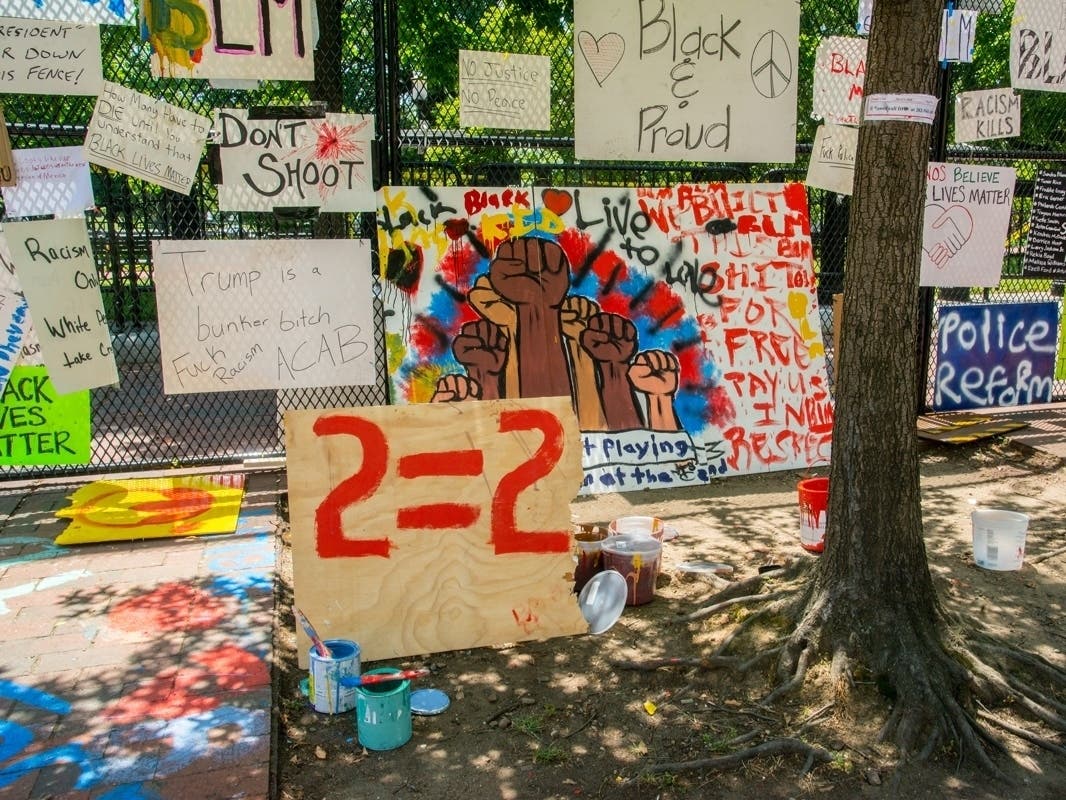
WASHINGTON, DC — Local leaders called the protests following the killing of George Floyd in Minneapolis a moment of change for the country and for Prince George's County. It also presented an opportunity to remove some of the systemic barriers preventing greater transparency and accountability of the police.
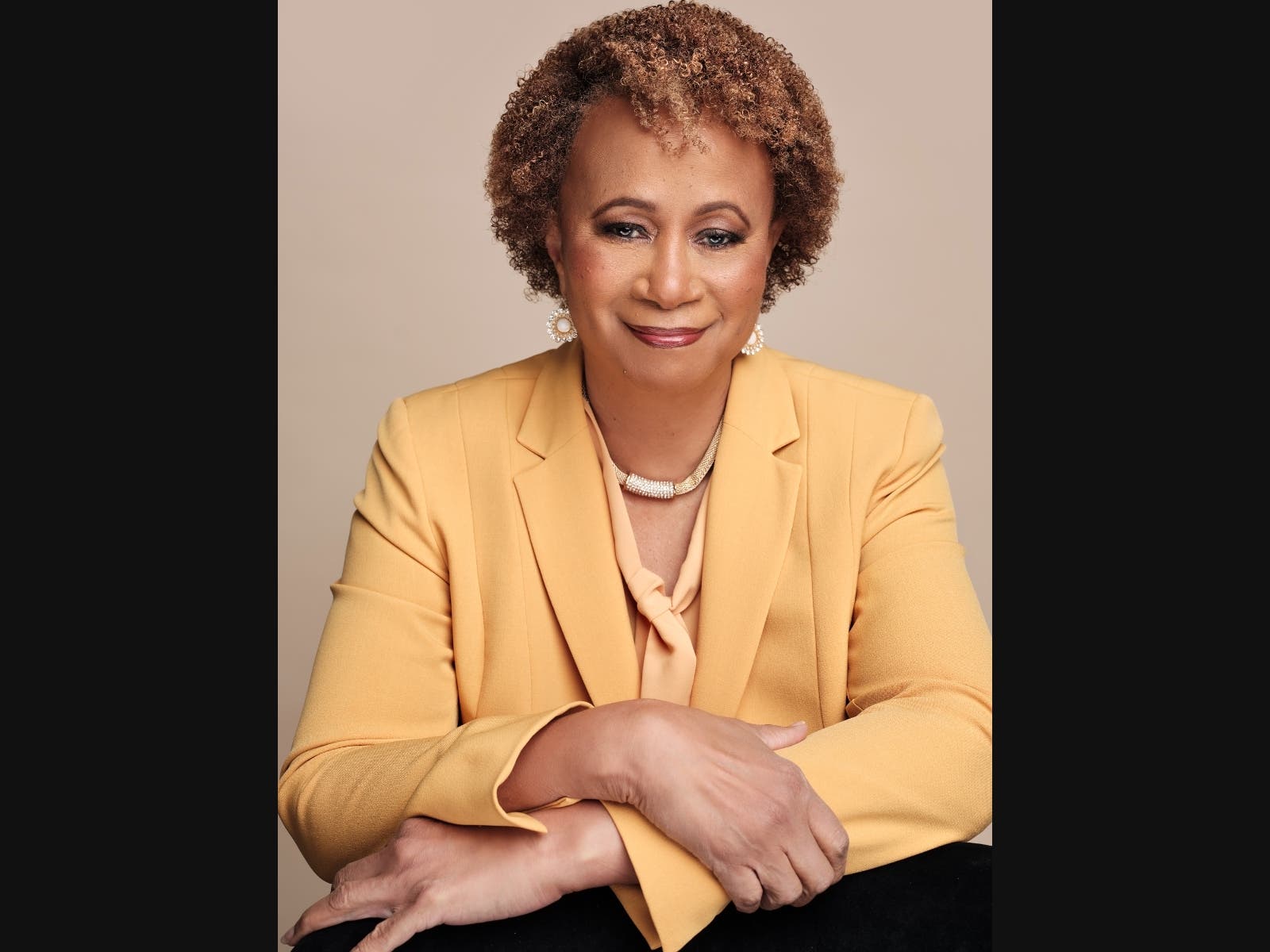
"This is a blessing to be alive at this time," County Executive Angela Alsobrooks said, Tuesday night. "We are seeing the kind of change we are seeing. This movement that we see will bring people together from all races, creeds, colors, socioeconomic levels. It is an amazing time."
Alsobrooks and Police Chief Hank Stawinski were part of a panel of local leaders participating in ABC7's "The Racial Divide: Time For Change" virtual town hall.
Find out what's happening in Washington DCfor free with the latest updates from Patch.
"All of us have a moral obligation to hold our country to its promise that all of us should be able to enjoy justice and freedom," she said. "This is an exciting time to be alive and lead us to what I know will be a brighter future for our children."
While the protests stem from years of frustration and pain, the recent coronavirus pandemic created a tipping point, Alsobrooks said. Many people were feeling a "unity of distress" as they faced job loses and health crises, which allowed them to relate to the death of Floyd while in police custody.
Find out what's happening in Washington DCfor free with the latest updates from Patch.
"We were able to relate to each other in a very different way and I think change is coming," Alsobrooks said.
For Stawinski, the value of this moment is that it calls for greater transparency and the ability to reject the idea that Floyd's death is an isolated event.
"This authoritatively closes the door on the past that suggests we can look at this as just another isolated event and we need to reject that," he said. "These are not isolated events. We need to admit there are structures that are contributing to this."
Stawinski agreed with Alsobrooks' assessment that the pandemic combined with the calls for social justice and greater accountability to create a moment where change is possible.
"What I'm appreciative of is the opportunity to engage with the legislatures and to change the law so that those structural obstacles are removed from police leadership," he said. "There are laws that stand in the way of police transparency in the state of Maryland."
Earlier this year, Stawinski, on behalf of all the Maryland police chiefs and sheriffs, brought a bill [HB 12 21] to the state legislature that would allow for greater transparency when an officer was found to have killed or seriously injured someone, committed a sexual assault, acted in a discriminatory manner, or destroyed evidence.
"Progressive police chiefs across the state want to bring that transparency," he said. "And that transparency, what gets captured on those cellphone videos, what gets capture on body cameras, what gets captured on in-car cameras, is the fulcrum with which we can change the notion that this is just another in a series of isolated events."
The goal going forward should be to knock down all those barriers and structures to transparency and accountability and then rebuild the structures around community and the officers who will always do the right thing, Stawinski said.
"There's a goodly number of those women and men out there right now serving," he said. "I don't want their voices to be lost in this conversation because they would not do the wrong thing. We need to be transparent. We need to make it clear who the wrongdoers are. We need to hold them accountable aggressively."
An example of a roadblock currently in place across the country is the ability of an officer who has been dismissed to appeal to a review board. In many cases, that officer is allowed to return to work. The review process in Maryland is the Law Enforcement Officers' Bill of Rights.
"There needs to be reform structurally to all of these laws," Stawinski said. "But what LEOBOR intended to do was to make it clear that all due-process attached, and once that officer was terminated, they didn't have the opportunity to regain their position in the department."
What the chief would like to see is to respect due-process but to change the mechanisms that delay the process of accountability.
"When these issues of criminal misconduct arise, for instance, that process shouldn't take 18 months or two years to resolve," he said. "That's where I think where we are structurally creating mistrust with the community, because they're seeing something occur, and if it occurred between two citizens in front of their house, the outcome and the mechanism would be different [than what] occurs with a police officer."
Alsobrooks said the county was tired of reacting to incidents and it was time to get ahead of the problem.
"I don't know any African Americans person who has not had a negative interaction with the police or who doesn't know someone very close to them who has," she said. "So, it has to be in the training. It has to be in the way we recruit individuals to this profession. There has to be a way that we are able to not only screen that person for physical fitness, but we also have to screen people and train them to make sure we have the kind of individuals who are also mentally fit to do this job."
Also see ...
Get more local news delivered straight to your inbox. Sign up for free Patch newsletters and alerts.