Weather
Hurricane Update: Florence Veers Away From DC
Hurricane Florence could still change course, but right now it looks like D.C. is safe.


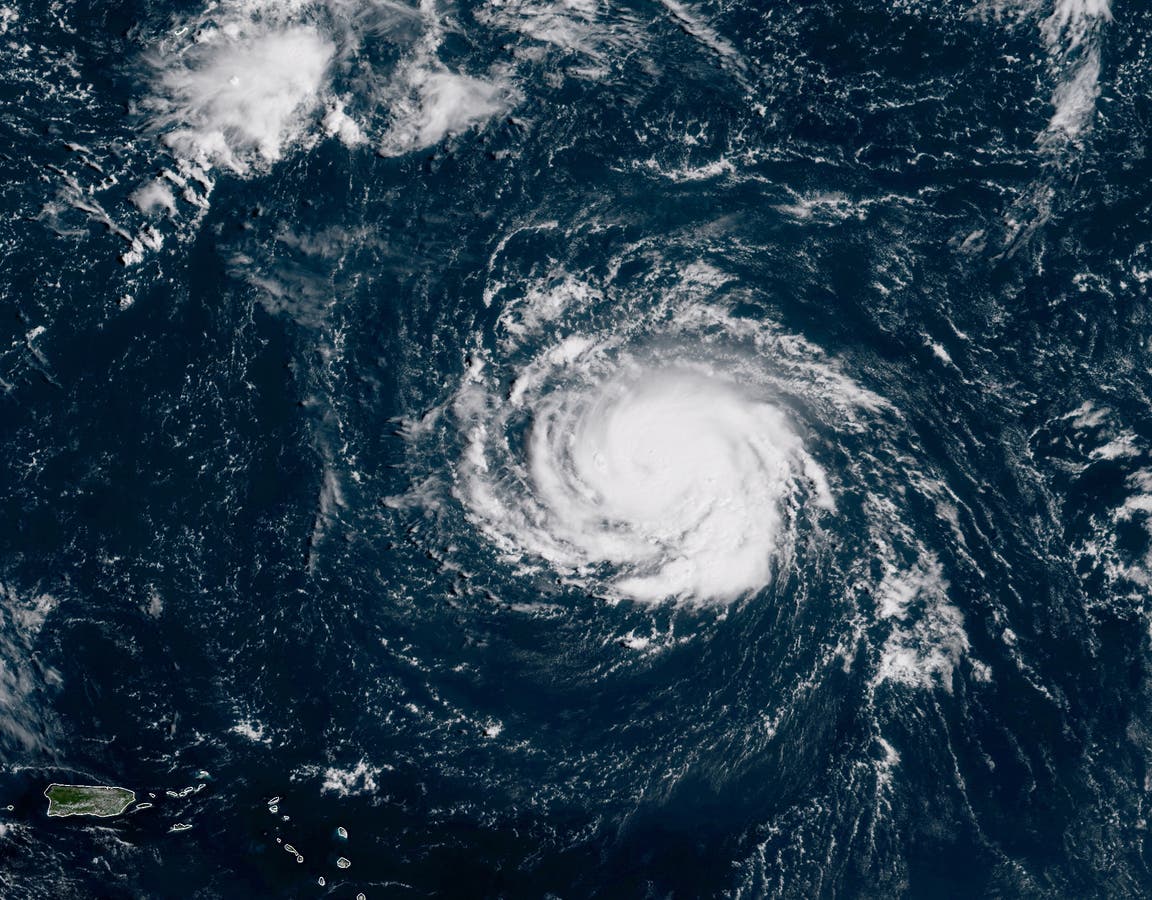
UPDATE 8:49 a.m.: If you haven't yet rushed to the grocery store to clear the shelves, you can relax for now: the latest forecast shows Hurricane Florence missing the D.C. area entirely. The storm's track, which originally sent Florence up the coast after landfall in the Carolinas, has shifted due west across the state of North Carolina.
That doesn't mean the danger has entirely passed. There's still a lot of uncertainty with this storm between now and when it makes landfall as a Category 4 hurricane late Thursday night and into Friday morning.
But the latest models suggest that only the extreme southern border of Virginia is likely to feel significant effects from this storm. We may get a little bit of rain, but that's it.
Find out what's happening in Washington DCfor free with the latest updates from Patch.
Here are the Key Messages for the 5 AM EDT advisory for Hurricane #Florence pic.twitter.com/lY1y5KSZb9
— National Hurricane Center (@NHC_Atlantic) September 12, 2018
UPDATE 12:43 p.m. (Tuesday): D.C. Mayor Muriel Bowser has declared a state of emergency ahead of Hurricane Florence, as the storm threatens to bring life-threatening flooding to the area.
"The National Hurricane Center is monitoring Hurricane Florence, which is located in the southwestern Atlantic Ocean and is approaching the District of Columbia," the order states. "Because the storm system is expected to have serious widespread effects in the region, there is an imminent threat to the health, safety, and welfare of District residents that requires emergency protective actions."
Find out what's happening in Washington DCfor free with the latest updates from Patch.
For information on what D.C. residents can do, visit ready.dc.gov.
Original story:
Hurricane Florence continues to churn toward the East Coast as it remains a massive Category 4 storm, and its track has shifted a little bit northward, increasing the threat it poses to the District -- especially with the ground in our area already saturated.
The hurricane is expected to make landfall on the coast of North Carolina, but this huge and powerful storm is expected to have wide-ranging effects and bring serious flooding even in areas that avoid the worst of the storm's winds. Recent models have the storm hitting farther north on the coast, and then taking a turn toward the north in D.C.'s direction.
The slow-moving storm is now projected to make landfall early Friday morning, after which it is expected to stall over the area and dump a large quantity of rain, similar to what Hurricane Harvey did in Texas last year. While the storm's strong winds are expected to punish the coast, the massive rainfall poses the biggest threat to the most amount of people, experts say.
This evacuation order is now in effect. Make sure you #KnowYourZone—visit https://t.co/euzv6uT25X today. https://t.co/zFmMQJJcVi
— Ralph Northam (@GovernorVA) September 11, 2018
More than 1.5 million people have been ordered to evacuate from coastal areas as the storm approaches, according to the Washington Post.
(For more news and information like this, subscribe to the D.C. Patch for free. If you have an iPhone, click here to get the free Patch iPhone app; download the free Patch Android app here. Don’t forget to like us on Facebook!)
SEE ALSO:
- Hurricane Florence: Emergency Kit, Insurance Info To Know In VA
- Old Town Alexandria Flooded As Hurricane Approaches: Reports
- Hurricane Florence: Loudoun County Offers Preparedness Tips
- Hurricane Florence: Fredericksburg Urges Preparedness
After landfall, current models indicate that Florence will shift northward and head up toward D.C., where it could bring tremendous amounts of rain -- perhaps about 10 inches in some areas, according to NOAA.
The D.C. region will be susceptible flooding due to the heavy amount of rain we've received lately, so even a few inches could result in crippling flooding. Also, the saturated ground means trees could easily come down from relatively strong winds.
Ken Graham, director of NOAA's National Hurricane Center, said in a Facebook Live video that this continues to be a very dangerous situation, calling it a "pretty strong system." There are also pronounced rain bands on the outskirts of the storm.
“That’s where we see a system is really self-sustaining,” said Graham. “And that’s where you have a hurricane that continues to strengthen. It’s what we call breathing, so to speak. All the structure is absolutely perfect to continue as strong as it is.”
Graham warned that there would be a "staggering" amount of rainfall in areas affected by the storm, with some spots seeing more than 15 inches of rain.
“The takeaway is this: areas in Virginia, areas in South Carolina, right at the edge here of South Carolina into North Carolina, almost the whole state of Virginia and North Carolina, you’re going to get a staggering amount of rainfall," he said.
Includes reporting by Patch editor Dan Hampton
ATLANTIC OCEAN - SEPTEMBER 10: In this NOAA satellite handout image, shows Hurricane Florence as it travels west and gains strength in the Atlantic Ocean southeast of Bermuda on September 10, 2018. Weather predictions say the storm will likely hit the U.S. East Coast as early as Thursday, September 13 bringing massive winds and rain. (Photo by NOAA via Getty Images)
Get more local news delivered straight to your inbox. Sign up for free Patch newsletters and alerts.