Health & Fitness
Most Rat-Infested Cities: Washington DC In Top 5
Washington, DC, has lost ground to rats from last year, making the top 5 on Orkin's list of "Rattiest Cities."


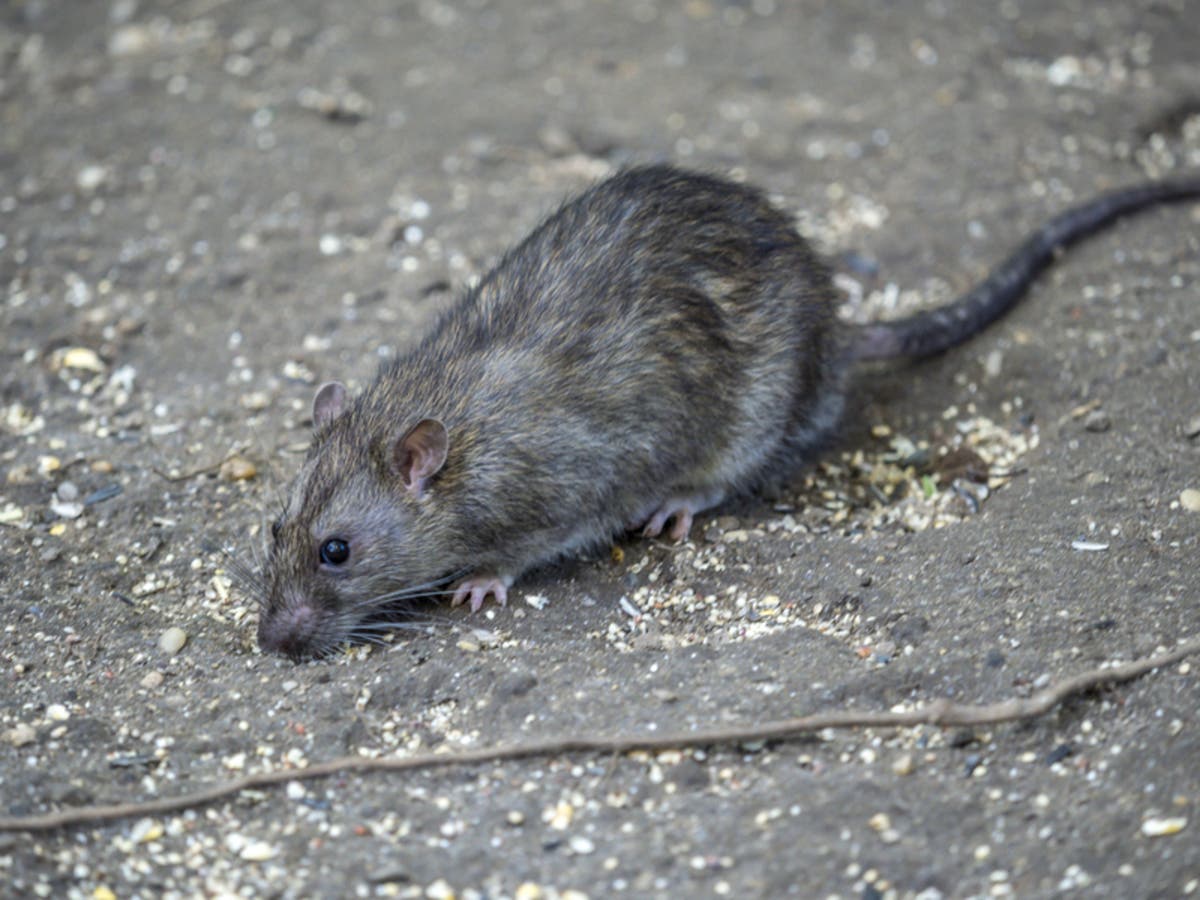
WASHINGTON, DC – The nation's capital is once again among America's "Rattiest Cities," according to a new report from pest control company Orkin, with the problem worsening from a year ago. Washington, D.C., comes in at No. 4 on the company's 2018 rankings released Monday.
This is the fourth year that Orkin has compiled the rankings, which are based on the number of rodent treatments the company performed from Sept. 15, 2017 to Sept. 15, 2018. It includes both residential and commercial treatments.
Washington moved up one slot from last year, when it was ranked fifth on the Orkin list. For the fourth year in a row, Chicago was No. 1 on the rat rankings.
Find out what's happening in Washington DCfor free with the latest updates from Patch.
Here are the 10 "Rattiest Cities" in the U.S. for 2018, according to Orkin:
- Chicago
- Los Angeles
- New York
- Washington, DC
- San Francisco
- Detroit
- Philadelphia
- Cleveland
- Baltimore
- Denver
Find out what's happening in Washington DCfor free with the latest updates from Patch.
The city puts bait in public areas where rats are a problem, and residents with complaints are told to contact the Citywide Call Center at 311.
Want more local news? Get the Washington DC Patch newsletter.
As the weather turns cold, rodents seek shelter in warm areas with readily-available food and water. The National Pest Management Association estimates rodents enter an estimated 21 million homes in the U.S. each winter.
“Rodents don’t need much of an invitation to enter your home,” said Chelle Hartzer, an Orkin entomologist, in a news release. “A rat can squeeze through an opening as small as a quarter, while a mouse can wedge its way into a hole smaller than a dime.”
Rats and mice will chew through electrical wires, gas lines and support beams in buildings. It’s estimated 25 percent of unexplained fires start from rodent chewing.
“Aside from causing structural damage, rodents can carry hundreds of pathogens that can transmit various diseases and dangerous parasites. Additionally, they constantly leave behind droplets of urine as they travel each day. These droppings can contribute to asthma and allergic reactions, especially in children,” Hartzer said.
Orkin recommends these tips to help prevent rats and mice in your home:
- Inspect both inside and outside the home for rodent droppings, burrows and rub marks along baseboards and walls.
- Look for possible entry points outside the home, seal all cracks larger than 1/4 of an inch and install weather strips at the bottom of exterior doors.
- Trim overgrown branches, plants and bushes to avoid giving rodents “jumping off” point.
- Keep your home clean, inside and out. Clean up crumbs and spills as soon as they happen to avoid leaving food residue or sugary substances that can attract rodents. Store all food (including pet food) in tightly-sealed containers like plastic bins, and never leave food or dishes sitting out overnight.
Image via Shutterstock
Get more local news delivered straight to your inbox. Sign up for free Patch newsletters and alerts.