Neighbor News
Poll: Americans Wrongly Think Police Have Teen Arrest Guidelines
Strategies for Youth Poll Highlights Urgent Need for Change in Policies
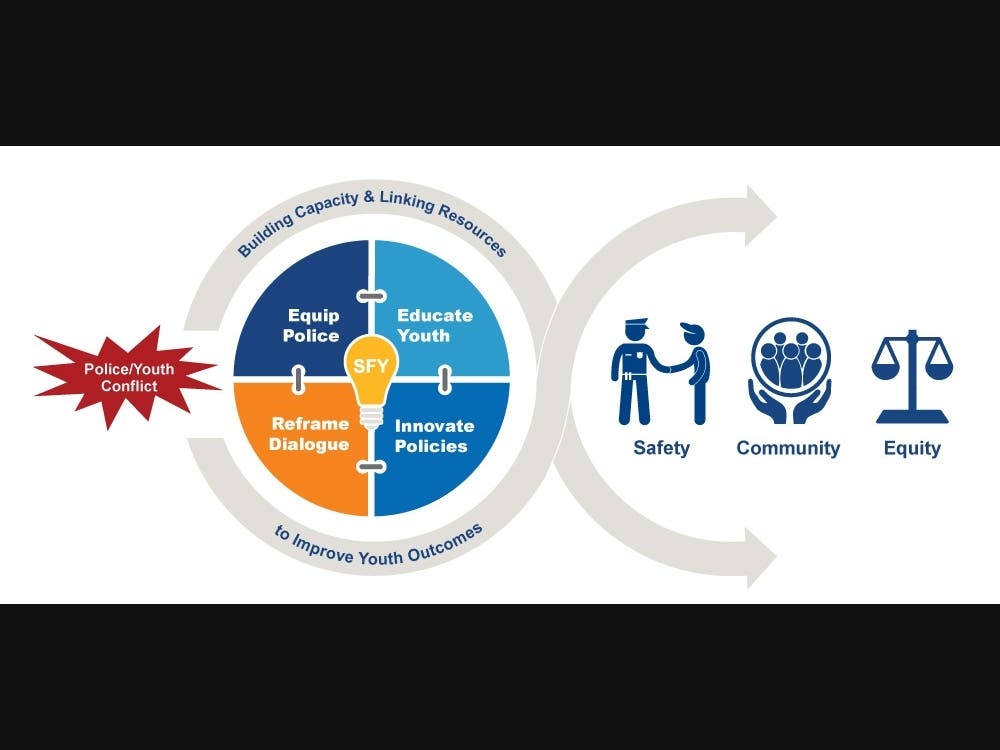
Even though most U.S. law enforcement agencies lack any guidelines about how to interact, interrogate, or arrest young people, 56% of Americans think agencies “probably” have written policies for youth interactions, a disconnect that leaves police, citizens, and communities vulnerable, according to Strategies for Youth (SFY), a national nonprofit training and policy organization dedicated to improving interactions between police and young people. In addition, the SFY poll finds a plurality of Americans still believe that law enforcement should treat youth differently than adults.
The urgency of these issues has been highlighted in recent months by a number of high profile examples including a suburban Chicago officer shooting an unarmed 14-year-old; a Mississippi police officer shooting an unarmed 11-year-old in the chest; a video showing a California deputy slamming a teen to the ground; and many other disturbing incidents, all of which leave local governments exposed.
To address this need, SFY is issuing 12 Model Law Enforcement Policies for Interactions with Youth designed to remedy recurring problems in youth policing including escalation and use of force and is launching a social media effort to support them.
Find out what's happening in Washington DCfor free with the latest updates from Patch.
The 12 Model Law Enforcement Policies for Interactions with Youth are developmentally appropriate, trauma-informed, and equitable, and law enforcement agencies can fit them to their needs.
SFY carefully drafted the policies based on research, case law, statutes, and U.S. Department of Justice consent decrees. A diverse group of national, regional, and state experts and stakeholders also reviewed the policies.
Find out what's happening in Washington DCfor free with the latest updates from Patch.
Americans Want Law Enforcement Policies That Reflect Their View of Age Differences
Americans, despite a wave of claims that fault teens for rising crime, recognize there’s a difference between young people and adults. Eighty-seven percent say officers should be required to take additional steps to ensure youth understand their Miranda rights, an action that most law enforcement agencies don’t do right now.
SFY is calling for officers to “employ alternatives to arrest when appropriate and consistent with public safety,” and the public agrees. Survey results show that 67% believe law enforcement agencies should indeed provide alternatives to arresting youth involved in low-level non-violent offenses. In fact, only 8% of youth arrests in 2020 involved a violent crime, according to the Justice Department.
Shelley Jackson, a long-time civil rights attorney who worked for many years at the Department of Justice, is a co-author of these policies. “As the Supreme Court has repeatedly stated, youth are different from adults. Their immaturity and impulsivity put them at risk in interactions with law enforcement, especially when officers are not equipped to adjust their practices to take into account youth development,” says Jackson. “Some youth, including youth of color and youth with disabilities, are especially exposed to short- and long-term harm from law enforcement encounters. SFY developed these policies to help officers better understand youth and protect public safety while respecting youth’s civil rights.”
SFY Executive Director Lisa H. Thurau says, “These policies are a win-win for law enforcement agencies and for communities. There’s no better way to demonstrate a commitment to excellence in policing by adopting policies that equip officers and agencies with strategies, tools and knowledge to work effectively with young people and their families.”
A majority of survey respondents say law enforcement agencies should provide officers with specialized policies and training for:
- Responding to youth’s mental health crises;
- Responding to youth with special needs;
- De-escalation;
- Arrests; and
- Interrogations.
It’s the International Association of Chiefs of Police, in its research, that reports most agencies lack such policies focusing on youth interactions.
Overwhelmingly, (almost 9 out of 10) Americans believe police officers should undergo training before working in schools, with large majorities supporting training in communications, dealing with youth in crisis, protections for youth with disabilities and de-escalation. Nearly half (49%) think law enforcement officers working in schools should focus exclusively on preventing shootings and other acts of serious violence and should not get involved in discipline issues.
Policies Can Make a Difference and Support the Public’s Views
SFY views policies as a key part of policing to ensure the constitutional, fair and impartial enforcement of the law, and ensure uniformity and predictability of officer responses and community expectations. Policies are routinely developed to guide officers’ actions on everything ranging from driver's license violations to use of force and require that officers undergo training before they hit the streets.
Yet few agencies implement policies specifically geared toward law enforcement agencies and officers’ treatment of youth, leaving officers often unprepared to respond to youths’ behavior and reactions to authority, and risking the unnecessary escalation of encounters with youth. In other cases, the absence of policies means some of the most vulnerable youth are not given the attention and support they need.
Additional Recent Incidents Bolster Need for Policies
The pressure of creating policies to guide police/youth interactions also has been highlighted by news reports of a Delaware state troopers viciously beating teenagers; a Massachusetts officer handcuffing a black nine-year-old special-needs student and bringing him to an adult psychiatric unit; a Georgia judge ruling police were wrong to aggressively detain and then charge an innocent teen in a car tampering case; and a judge refusing to dismiss a case in which a 15-year-old running from a fight in his Pennsylvania high school cafeteria was tased in the back of his head.
Lincoln Park Strategies conducted the national survey among 1,000 American adults in September. The poll has a margin of error of plus or minus 3.1%.