Neighbor News
What Lessons Does the Holocaust Hold for Modern Healthcare and Human Rights?
Citizens Commission on Human Rights hosts International Holocaust Remembrance Day Open House in Washington, D.C.

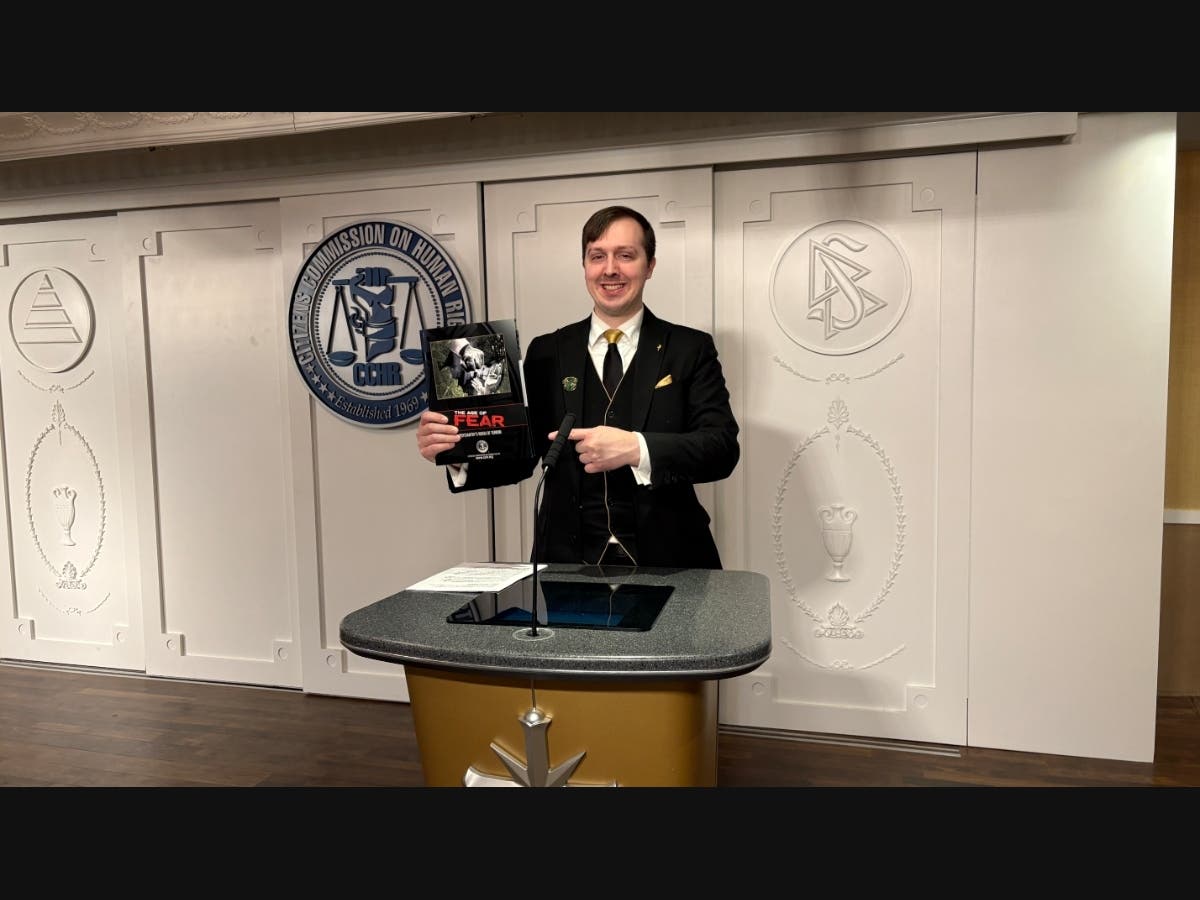
Washington, D.C. — The Citizens Commission on Human Rights (CCHR) hosted an educational Open House at the Founding Church of Scientology of Washington, D.C., in observance of International Holocaust Remembrance Day, a United Nations–designated day honoring the six million Jews and the millions of other victims persecuted and murdered during the Holocaust.
The event helped to reflect not only on the lives lost, but on the historical conditions that made such atrocities possible—and the enduring responsibility to safeguard human rights today.
“International Holocaust Remembrance Day is about more than memory,” said Chas Smith,
Master of Ceremonies for the program. “It is about understanding how professional
authority, when stripped of ethics and accountability, can be used to dehumanize—and why vigilance is essential to ensure such abuses never happen again.”
Find out what's happening in Washington DCfor free with the latest updates from Patch.
The Open House examined one of the lesser-discussed aspects of Holocaust history: the role of medical and psychiatric institutions in Nazi policies of forced sterilization and so-called “euthanasia,” carried out under the guise of treatment and public welfare. These programs demonstrated how the misuse of medicine and science can lead to grave human rights violations.
Founded in 1969, the Citizens Commission on Human Rights was established as a watchdog and educational organization dedicated to exposing and preventing abuses committed under the banner of mental health care. CCHR was co-founded by the Church of Scientology and Dr. Thomas Szasz, Professor of Psychiatry Emeritus and a leading advocate for civil liberties in medicine.
Find out what's happening in Washington DCfor free with the latest updates from Patch.
Today, CCHR operates in 34 nations and is supported by legal, medical, educational, and human rights professionals. The organization works to ensure informed consent, oppose coercive and degrading treatment, and hold medical authority accountable to ethical and legal standards.
During the Open House, attendees experienced CCHR’s educational materials, including excerpts from award-winning documentaries and an exhibit drawn from the organization’s Psychiatry: An Industry of Death Museum in Los Angeles. These resources are used by educators, parents, attorneys, law enforcement, and legislators worldwide to promote awareness and reform.
“For more than four decades, CCHR has helped prevent suffering by exposing abuses, supporting legal action, and educating communities,” Smith said. “Education is one of the strongest safeguards against future atrocities.”
The program concluded by reaffirming the central message of International Holocaust Remembrance Day: that remembrance carries responsibility. By insisting on ethical standards, informed consent, and human dignity in every system of care, communities honor the victims of the
Holocaust by protecting future generations.
About the Citizens Commission on Human Rights
The Citizens Commission on Human Rights is a nonprofit, nonpolitical, nonreligious organization dedicated to eradicating abuses in the field of mental health and protecting the fundamental human rights of patients and families worldwide.
Contact